
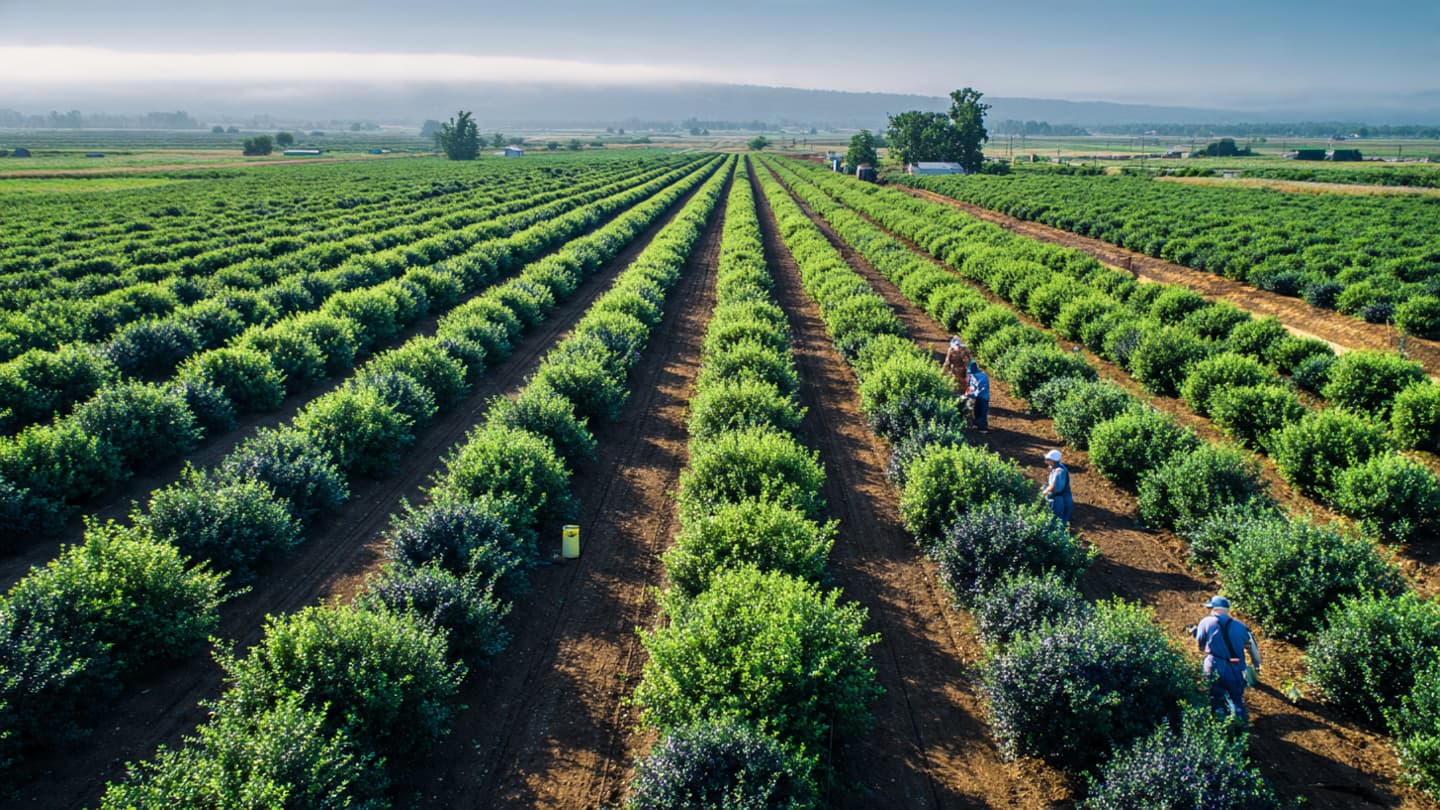
In agricultural landscapes where crops depend on delicate balances of soil, weather, and biology, even small disruptions can ripple outward into significant consequences. Blueberry fields in North Carolina, known for their seasonal productivity, have recently faced unexplained losses that prompted scientific investigation.
Farmers and agricultural experts observed declining yields and visible damage to crops, leading to concerns about an underlying cause affecting plant health. Over time, these patterns drew the attention of researchers studying plant pathology and agricultural ecosystems.
After detailed field studies and laboratory analysis, scientists identified the likely culprit behind the damage affecting blueberry crops. While agricultural systems often face multiple stress factors, including pests, disease, and environmental shifts, this investigation pointed to a specific biological agent contributing to the decline.
Plant disease research often involves examining soil conditions, fungal presence, insect activity, and environmental stressors. In this case, researchers worked to isolate the factors most strongly correlated with crop damage across affected regions.
Understanding agricultural disease outbreaks requires careful separation of overlapping influences. Weather patterns, irrigation practices, and soil health can all interact in ways that complicate initial assessments.
The findings are expected to help guide farmers in developing more targeted prevention and treatment strategies. Early identification of the cause allows for more precise management approaches, reducing broader crop losses in future seasons.
Agricultural scientists emphasize that such investigations are part of an ongoing effort to maintain food system resilience in the face of changing environmental conditions and biological pressures.
As research continues, attention remains focused on improving monitoring systems that can detect similar threats earlier and support sustainable crop production.
AI Image Disclaimer: Images accompanying this article are AI-generated and used for illustrative purposes only.
Source Verification Check: North Carolina State University Agriculture, USDA, Nature Plants, Agricultural Research Service, Science Daily
Published by Banx Network. This article is part of the Banx decentralized media programme, powered by the BXE token on the XRP Ledger.



