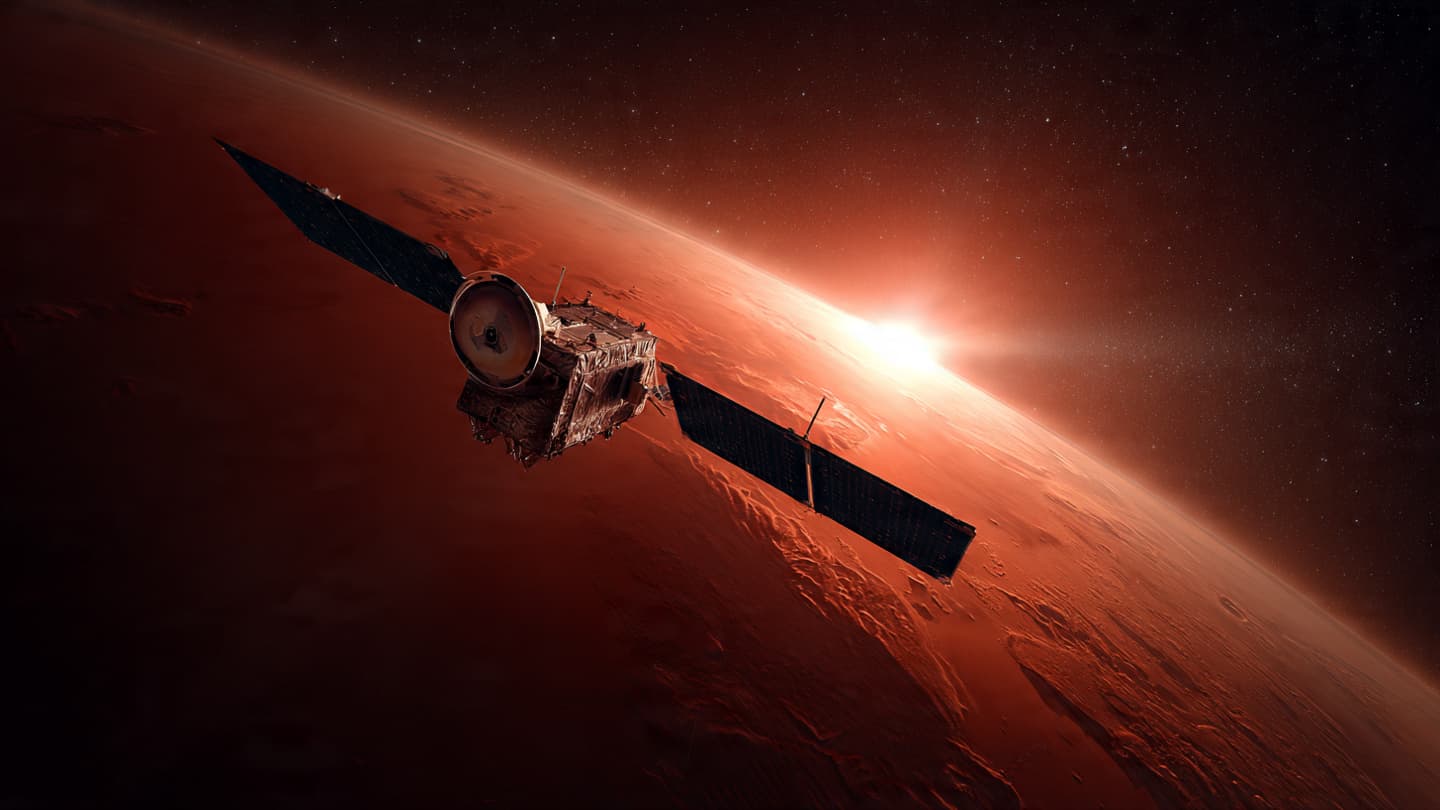
In the quiet expanse of space, silence is not unusual—but when it lingers too long, it becomes a signal in itself. The Mars Atmosphere and Volatile Evolution mission, known as MAVEN, has spent years studying the thin upper atmosphere of Mars, helping scientists understand how the planet lost much of its ancient climate.
NASA has now reported that the spacecraft has not responded for approximately six months, leading to the conclusion that MAVEN is no longer operational. This decision follows extensive attempts to re-establish communication with the probe.
Launched in 2013, MAVEN was designed to study how solar wind and radiation interact with the Martian atmosphere. Its findings have been central to understanding how Mars transitioned from a wetter ancient world to the cold, arid planet observed today.
Spacecraft often operate far beyond their expected lifespans, but they remain dependent on power systems, communication arrays, and orbital stability. When communication is lost for extended periods, mission teams carefully evaluate whether recovery is possible.
In MAVEN’s case, engineers reportedly attempted multiple recovery procedures, including signal detection and system resets, but no response was received. The lack of communication over several months ultimately led to the formal declaration.
Despite its end of operations, MAVEN’s scientific legacy remains significant. Its data continues to inform models of atmospheric loss and planetary evolution, contributing to broader understanding of planetary habitability.
NASA and its partners often use such missions as stepping stones for future exploration, where each spacecraft builds upon the discoveries of its predecessors.
As MAVEN’s silence becomes permanent, it joins the long list of robotic explorers that have extended humanity’s reach into the solar system and then fallen quiet after years of service.
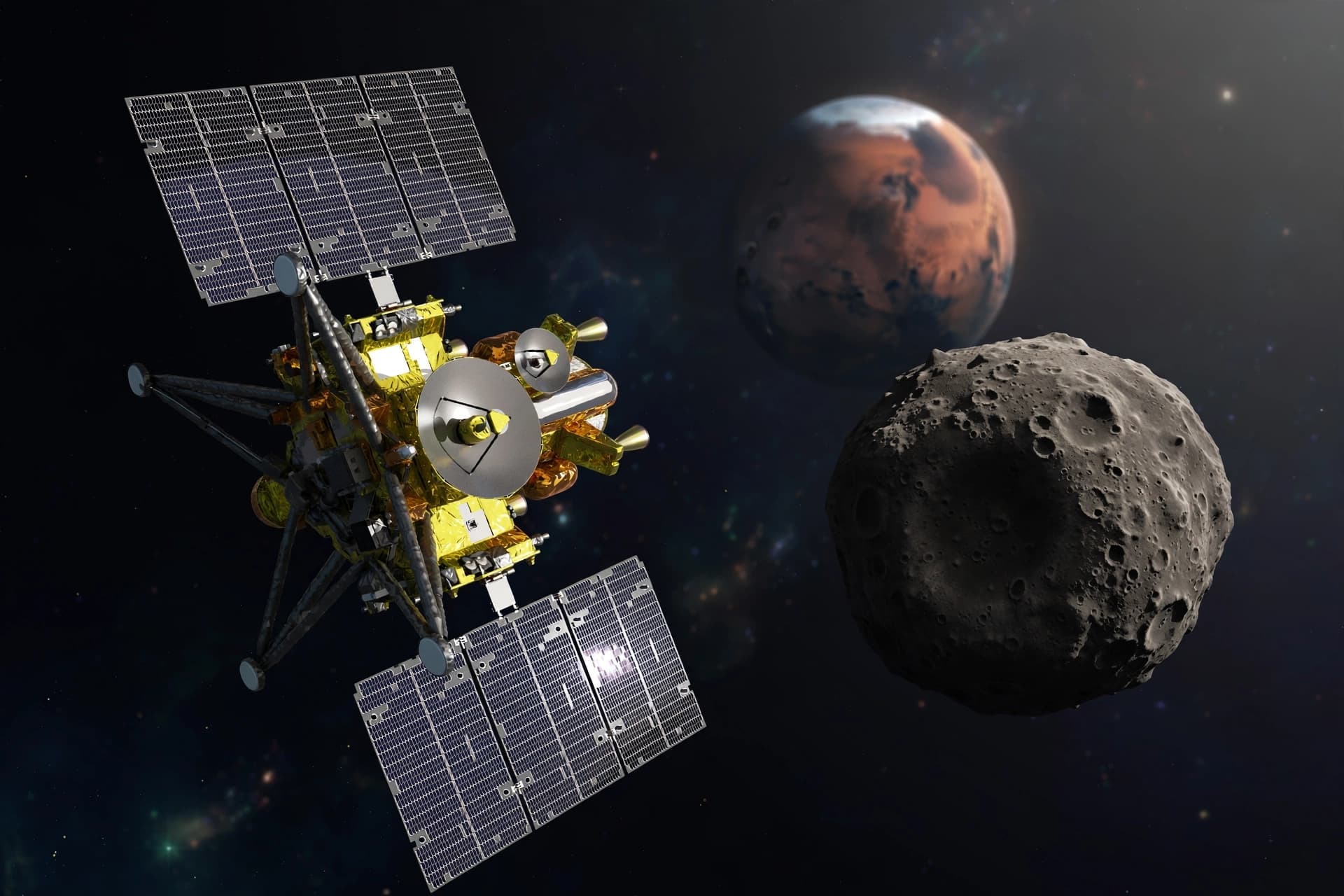
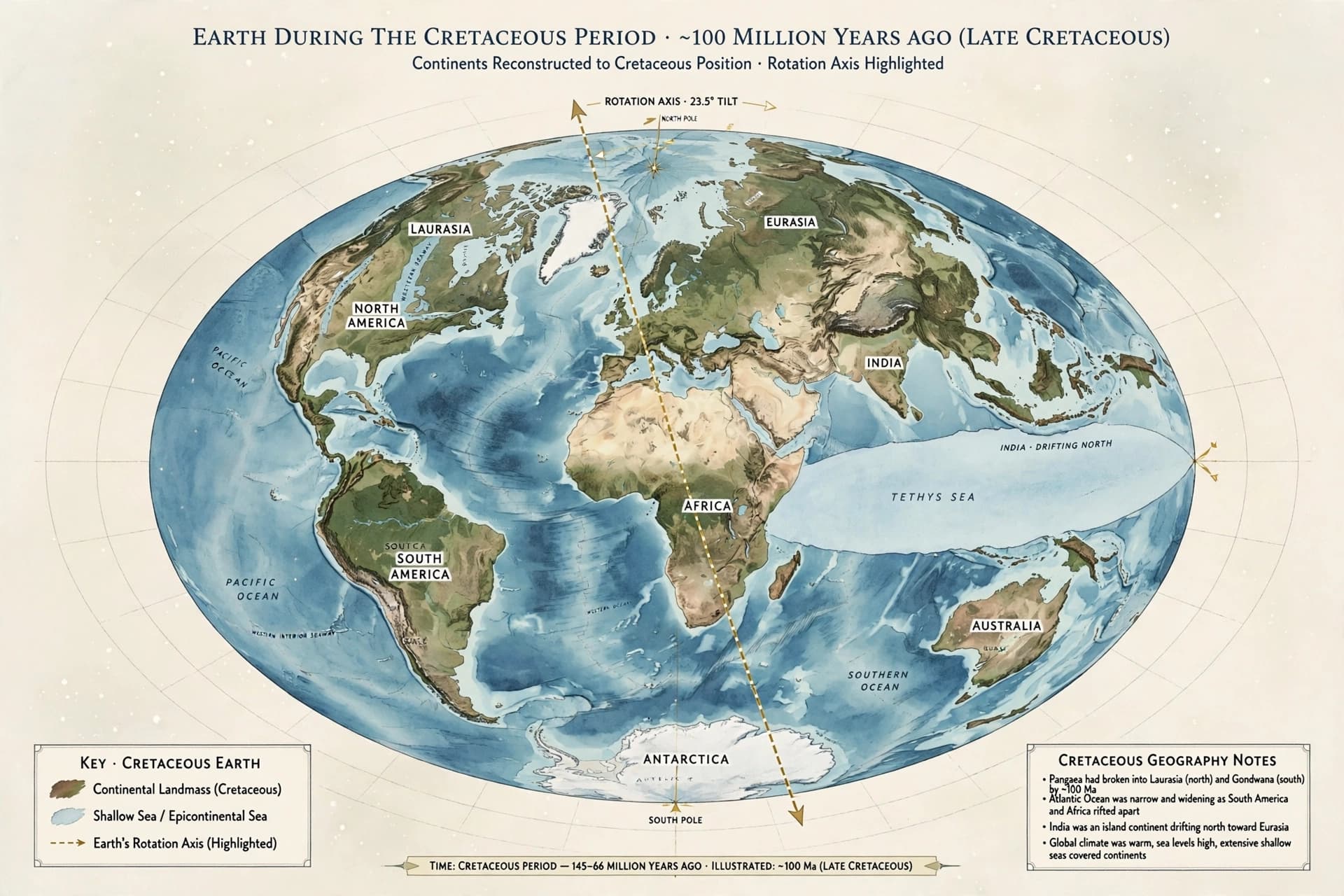
AI Image Disclaimer: This article includes AI-generated visuals representing space exploration and planetary science.
Source Verification Check: NASA, Jet Propulsion Laboratory (JPL), Space.com, ESA, Nature Astronomy
Published by Banx Network. This article is part of the Banx decentralized media programme, powered by the BXE token on the XRP Ledger.