Evenings in small towns often settle into a familiar quiet. The roads thin out, headlights stretch across empty intersections, and the slow rhythm of domestic life replaces the urgency of the day. It is in these ordinary moments—between errands, visits, and short drives home—that the fragility of routine sometimes reveals itself.
One such moment unfolded when a teenager, still below the legal age to drive, took control of a vehicle with permission from his mother. What might have seemed like a small concession—perhaps a brief drive, perhaps a gesture of trust—would soon carry consequences far beyond the immediate horizon of that decision.
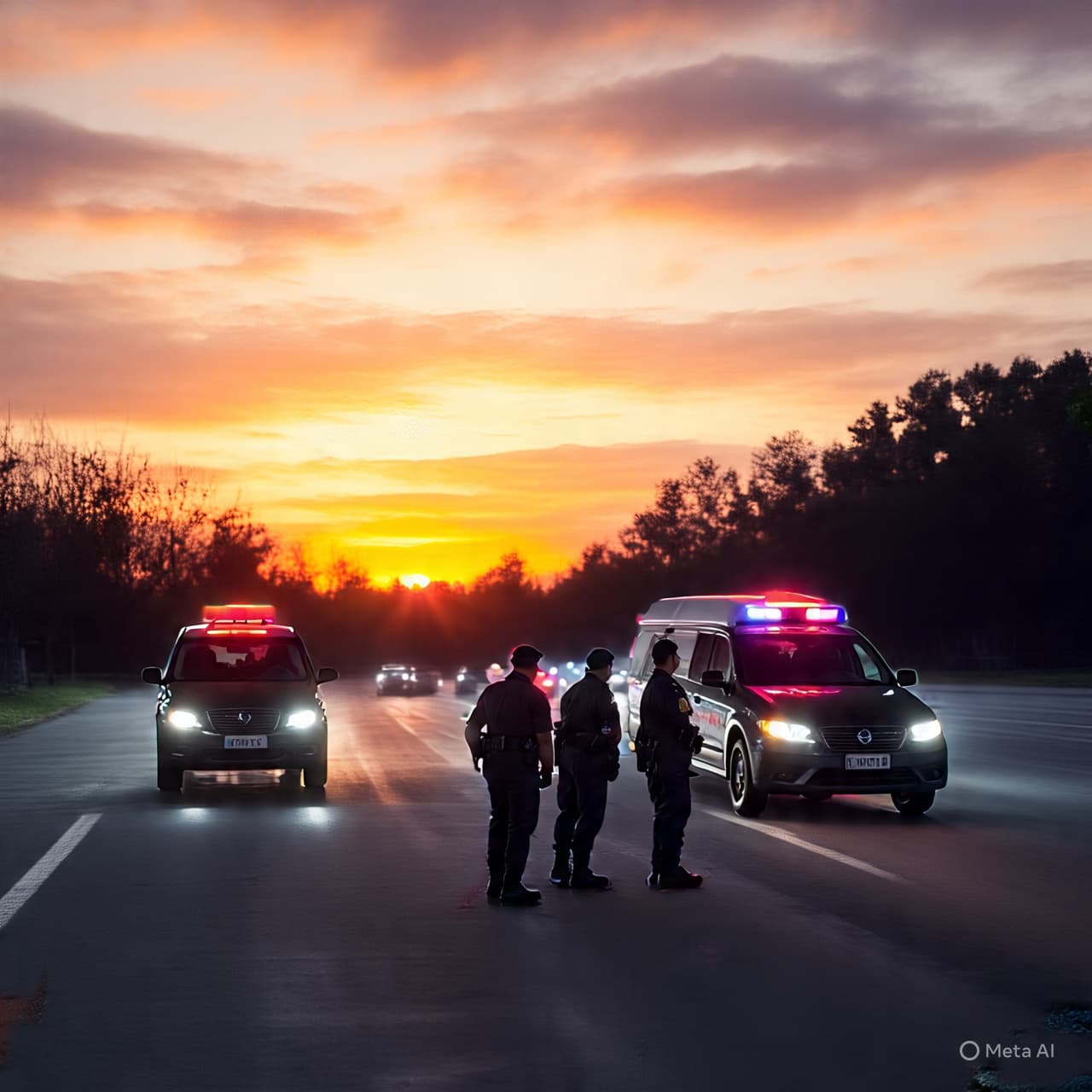
Authorities later said the vehicle was involved in a crash that claimed three lives. The collision, sudden and devastating, transformed a quiet roadway into the center of an investigation and, eventually, a courtroom reckoning. Emergency responders arrived to a scene defined by damage and loss, where the ordinary passage of traffic had given way to the stillness that follows tragedy.
As the legal process unfolded, attention turned not only to the driver but to the circumstances that allowed the moment to occur. The teenager, too young to hold a license, had been permitted to drive by his mother. In court, that decision became the central point of accountability.
Judges and prosecutors often speak of responsibility as something that extends beyond a single action. Laws that restrict underage driving are written with the recognition that roads are shared spaces—complex systems where one misjudgment can ripple outward in ways no one anticipates. Allowing an unlicensed driver behind the wheel, the court noted, carries risks not only for the driver but for everyone who shares the road.
In the end, the mother was fined for permitting the underage driving that preceded the fatal crash. The penalty itself, measured in financial terms, stands as the legal expression of a much larger loss—three lives cut short and families left to navigate a sudden absence.
Across communities, the case echoes a quiet but enduring lesson about the weight of everyday decisions. Trust, guidance, and caution often intersect in the lives of parents and children, especially in moments that feel routine or harmless. Yet on public roads, even a brief departure from the rules can reshape many lives at once.
The court’s ruling closes one chapter of the case, though the deeper consequences will linger far beyond the courtroom walls. On roads that once seemed ordinary, the memory of what happened will remain a reminder that responsibility, like traffic itself, moves through every life it touches.
AI Image Disclaimer Visual illustrations were generated with AI tools and represent conceptual scenes rather than real photographs.
Sources BBC The Guardian Reuters Associated Press Sky News
Published by Banx Network. This article is part of the Banx decentralized media programme, powered by the BXE token on the XRP Ledger.