Outbreaks rarely announce themselves with certainty. They arrive instead as a murmur—an unusual fever here, a traced contact there—quietly testing the vigilance of health systems and the patience of communities. In India, that familiar hush has returned with the detection of new Nipah virus cases, reviving memories of a pathogen that appears infrequently, yet never without consequence.
Nipah is not a new name in the region. First identified decades ago, it belongs to a small group of viruses that move between animals and humans, slipping across that boundary through proximity and chance. Fruit bats, especially those that travel widely and feed in orchards near human settlements, serve as its natural hosts. From there, the virus can pass to people through contaminated food or close contact, beginning a chain that public health officials work quickly to interrupt.
The recent cases detected in India have prompted a familiar response: contact tracing, isolation, and heightened surveillance. Authorities have moved to identify those who may have been exposed, while hospitals have reinforced infection-control protocols. The World Health Organization has described the risk of wider international spread as low, a measured assessment shaped by past outbreaks that remained contained through early intervention.
Still, Nipah commands attention because of its severity. The illness often begins quietly, with symptoms that resemble many common infections—fever, headache, fatigue. In some patients, it advances swiftly, affecting the brain and leading to encephalitis, confusion, seizures, and in severe cases, coma. Fatality rates in past outbreaks have been high, a stark reminder that rarity does not lessen impact.
Unlike respiratory viruses that travel easily through air and crowds, Nipah spreads through close contact. This characteristic has helped health authorities limit transmission, but it also places caregivers and healthcare workers at particular risk. For that reason, the response has focused not only on treating patients but on protecting those who stand closest to them.
There is no approved vaccine or targeted antiviral treatment for Nipah. Care remains supportive, centered on managing symptoms and preventing complications. Prevention, therefore, becomes the most reliable defense: avoiding exposure to bats and contaminated food, maintaining hygiene, and responding quickly when cases appear.
Beyond the immediate health response, the outbreak underscores a broader reality. As populations expand and human activity increasingly overlaps with wildlife habitats, encounters with zoonotic diseases are likely to persist. Nipah, in this sense, is not just a medical concern but a signal of how closely human health is tied to environmental balance.
For now, the situation in India is being watched with calm attention rather than alarm. Surveillance continues, information is being shared, and international health bodies remain engaged. The virus may be formidable, but experience has shown that vigilance, transparency, and swift action can limit its reach.
In the quiet space between detection and escalation, public health works best when it is steady and unassuming. Nipah’s return is a reminder not only of vulnerability, but of the systems designed to respond—carefully, methodically, and with an eye toward prevention rather than fear.
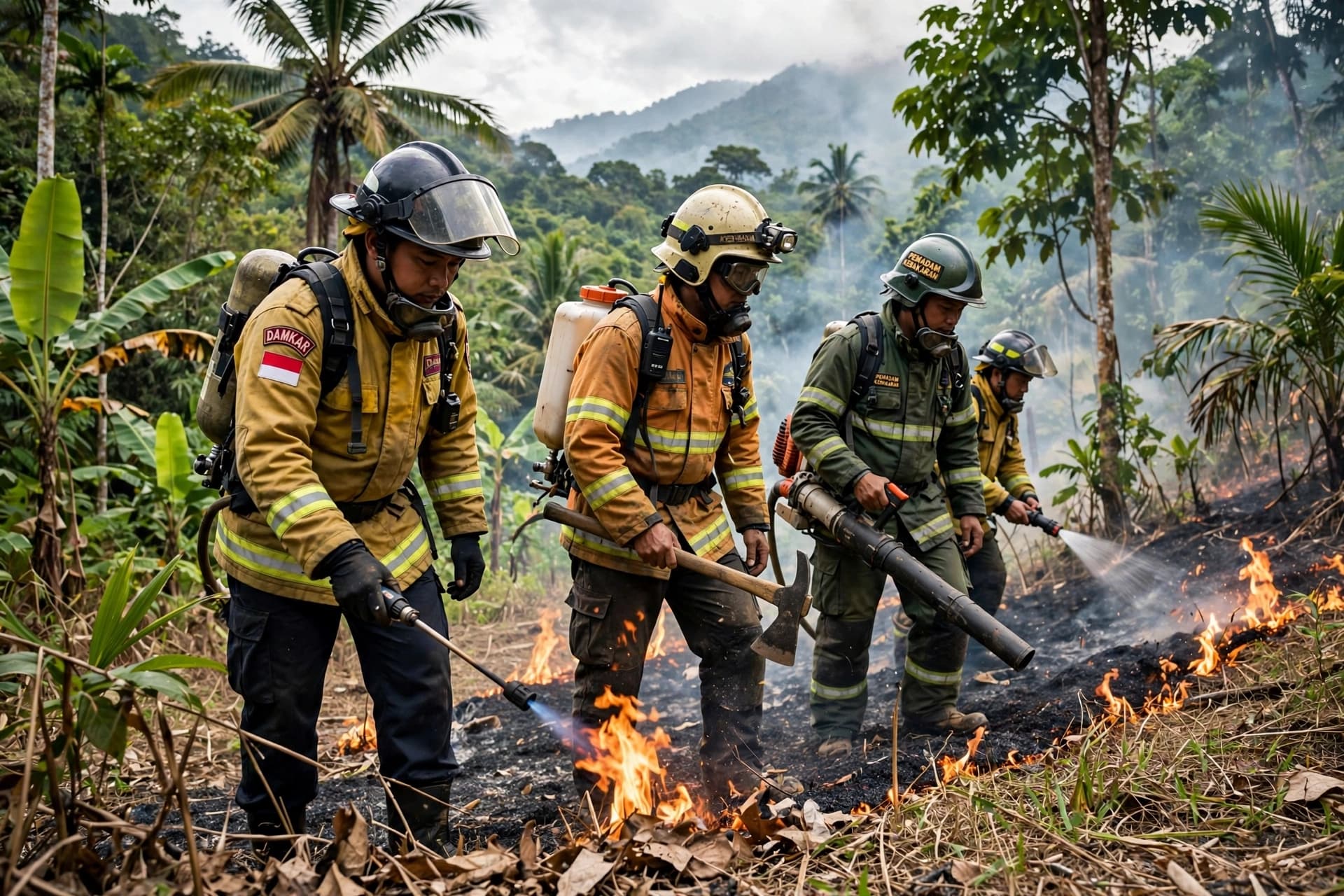
AI Image Disclaimer (Rotated) Illustrations were produced with AI and serve as conceptual depictions.
Sources (Media Names Only) Reuters World Health Organization ABC News The Guardian The Independent
Published by Banx Network. This article is part of the Banx decentralized media programme, powered by the BXE token on the XRP Ledger.