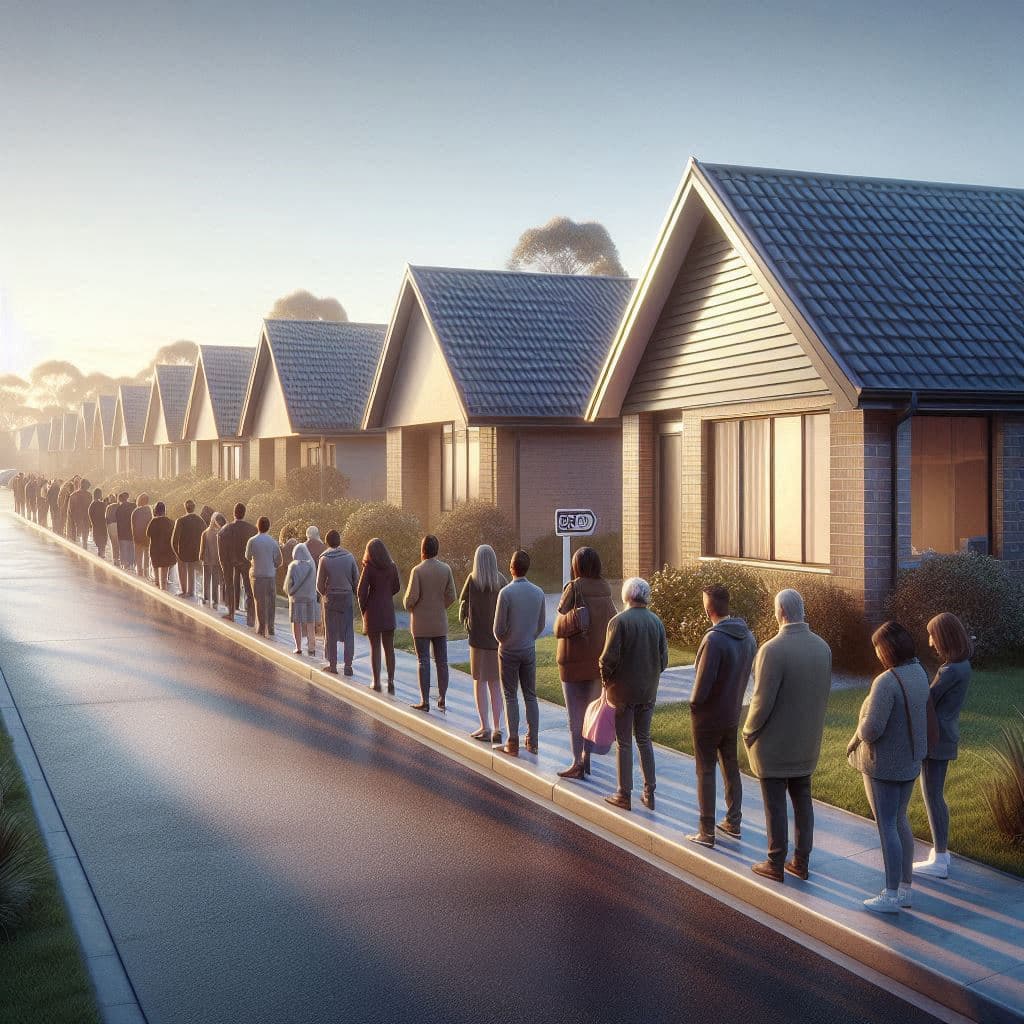
Opening On a Saturday morning in Balga, the sun cast long shadows across a quiet street that, for a moment, felt anything but ordinary. A ribbon of hopeful faces wound down the footpath — an ember of eager anticipation in each pair of eyes, like butterflies settling briefly before flight. In that quiet human rhythm lay a story about market pressures, community sentiment, and the delicate balance between telling a truth and being heard.
What followed from Perth Property Pair, a local real estate agency, was a snapshot — simple, unadorned, candid — but the ripple it sent through social media quickly became louder than the scene it sought to depict. Rather than capturing curiosity, it stirred a deeper conversation about empathy, context, and how stories are told in the digital age.
Body The photograph, shared on Facebook, showed a crowd of around 120 hopeful homebuyers attending an inspection for a property listed from $700,000. The caption suggested there was no slowing in demand, and that the swarm of interest was evidence of enduring market heat. The intention, the agents later explained, was to illustrate robust buyer interest and the competitive pressure on would-be purchasers — not to make a spectacle of their struggle.
Yet, within hours, the post had ignited more than 600 reactions and nearly 900 comments, many forgoing the nuance of market dynamics for sharper social commentary. Respondents labelled the post “tone deaf,” a phrase that now echoes the tricky terrain of communicating about property in Perth’s red-hot real estate climate. The issue was not merely a photo, but a moment of misaligned understanding between an industry and the wider public profile of housing pressures.
Real estate agents Lisa Caon and Ray D’Costa clarified that their aim was to reflect market realities — a place where listings at relatively lower price points see extraordinary interest — underpinned by broader data showing Perth’s median house price climbing above $1 million and record interest in affordable segments of the market. That broader context speaks to trends outside a single photo: Perth’s housing scene remains brisk and, for many, deeply challenging.
Amid this, industry observers note that constrained supply and strong demand — what some call a “logjam” — are fundamentally shaping outcomes. Listings in Perth have trended low, even as buyer sentiment shows periodic improvements, and properties often sell rapidly once they hit the market. These forces play out quietly in numbers and loudly in the lived experiences of buyers.
For the agents involved, ownership of the moment came with a desire to illuminate rather than inflame: to share a scene of interest and intensity and remind the public of how swiftly market conditions can shift, even while sensitivity to perception remains essential.
Closing In the end, what began as a slice of daily work — a photo, a short caption, a social share — evolved into a broader reflection on how communities see one another across the online echo chamber. The agency chose to keep its post online and offer explanation rather than erase it, a decision that underscored the complex interplay between telling a local story and interpreting public sentiment.
As Perth’s property market continues its ebbs and flows, the incident serves as a reminder that context matters just as much as content, and that every market snapshot carries with it the stories of real people trying to find their place within it
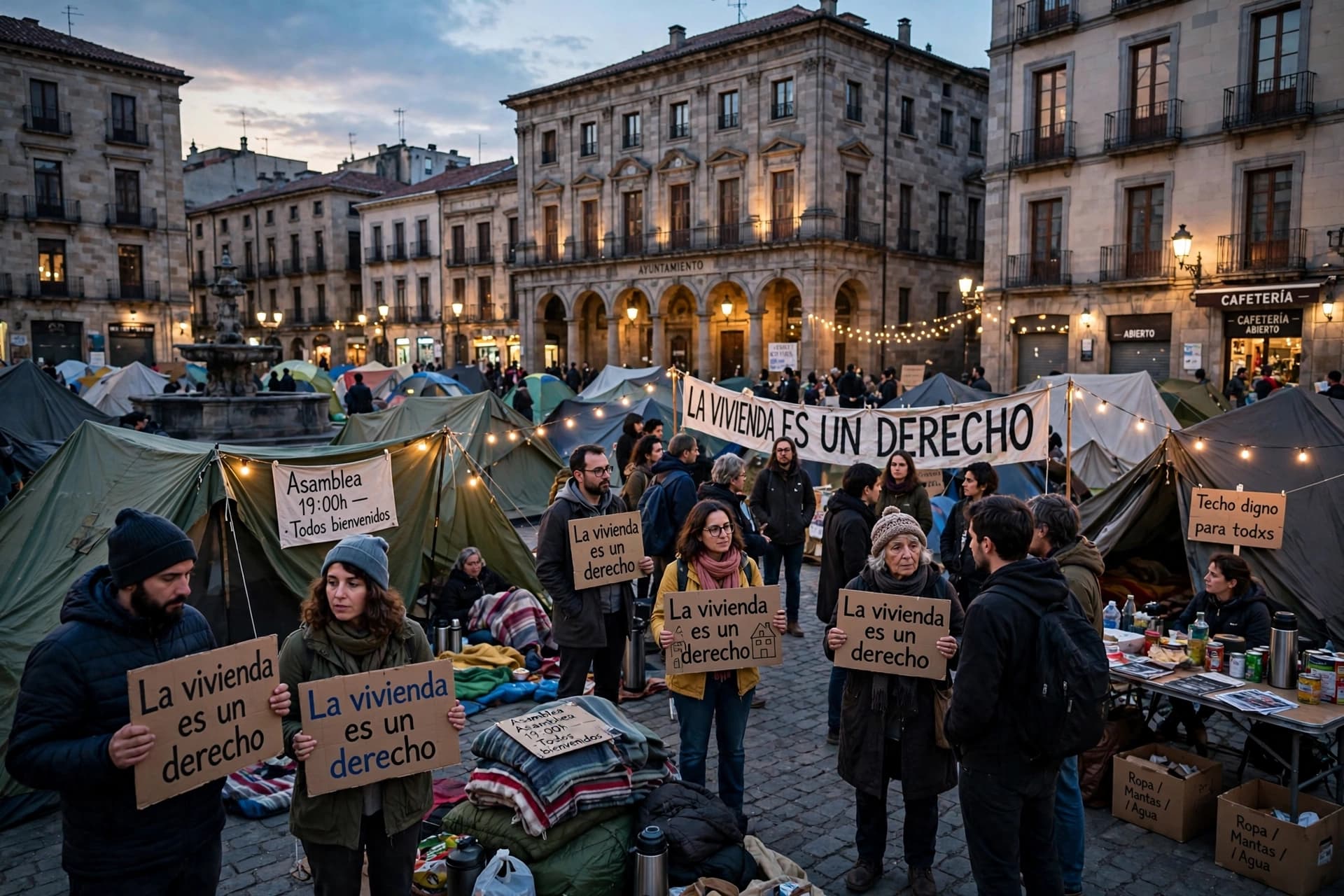
AI Image Disclaimer (Rotated Wording) Visuals are created with AI tools and are not real photographs.
Credible sources identified:
Perth Now — The West Australian (major Australian news outlet) REIWA (Real Estate Institute of Western Australia) background context about Perth property market (industry body) Perth property market broader trends: one-in-four homes selling for over $1 M (CoreLogic data) Perth property market “logjam” analysis (regional property market commentary) Perth property sales and buyer sentiment snapshot (broker news)
Published by Banx Network. This article is part of the Banx decentralized media programme, powered by the BXE token on the XRP Ledger.