There are moments in history when silence feels heavier than speech, when the weight of inaction presses more firmly than any declaration. Across the African continent, as leaders convene and confer, the war in has become such a moment—a conflict whose reverberations are felt far beyond its borders. In recent appeals, African leaders have urged urgent intervention, their calls shaped less by rhetoric than by an awareness of how quickly instability can ripple outward.
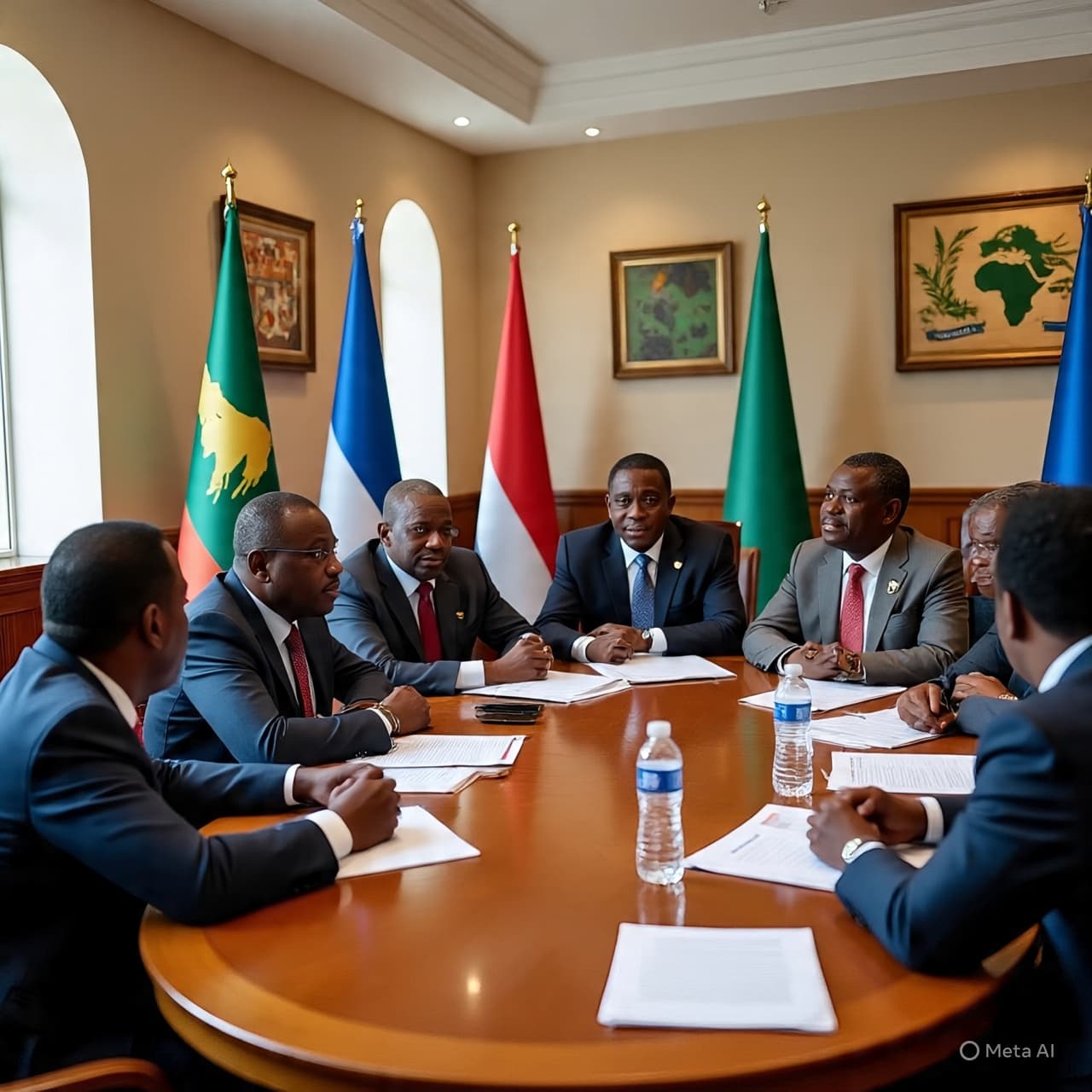
Within forums of the and in bilateral discussions, heads of state have emphasized the need for an immediate cessation of hostilities between rival military factions. Their language has leaned toward unity and responsibility, underscoring a shared continental interest in restoring peace. The message is not one of intrusion, but of collective guardianship—an understanding that prolonged violence in one member state strains the fabric of the wider region.
The conflict, rooted in a power struggle between Sudan’s armed forces and paramilitary rivals, has displaced millions and disrupted essential services. Reports from humanitarian agencies describe communities facing shortages of food, water, and medical care. For neighboring countries, the flow of refugees presents logistical and social challenges, further amplifying the urgency of diplomatic engagement.
African leaders have called for coordinated mediation efforts, combining regional diplomacy with international support. The has been cited as a key partner, alongside regional blocs and special envoys tasked with facilitating dialogue. The emphasis, consistently, has been on negotiation rather than escalation—on crafting a ceasefire durable enough to allow humanitarian access and political talks to resume.
In speeches and communiqués, leaders have acknowledged that Sudan’s trajectory affects trade corridors, border security, and economic development initiatives across East and Central Africa. The war’s continuation risks entrenching divisions and undermining recent gains toward civilian governance that once raised hopes for democratic transition.
Yet the appeals are measured. Rather than framing intervention as external imposition, African officials have spoken of solidarity and African-led solutions. They have urged warring parties to prioritize national interest over factional ambition, reminding them that history often remembers not the loudest voices, but the wisest decisions.
Civil society groups and regional analysts have welcomed the renewed diplomatic push, noting that sustained engagement—rather than episodic attention—may be key to progress. They caution, however, that ceasefire agreements require monitoring mechanisms and trust-building measures to prevent relapse into violence.
As these conversations unfold, humanitarian corridors remain a central concern. Leaders have reiterated the importance of ensuring safe passage for aid workers and protecting civilians, particularly in urban centers where fighting has been most intense.
In the coming days, further consultations are expected among African Union officials, UN representatives, and Sudanese stakeholders. While no immediate breakthrough has been announced, the collective call for urgent intervention signals a continued commitment to seeking a peaceful resolution.
The war in Sudan persists, but so too does diplomatic engagement. African leaders have publicly reaffirmed their intention to intensify mediation efforts and collaborate with international partners to end the conflict. Developments are ongoing, and additional statements or initiatives may follow as discussions continue.
AI Image Disclaimer: Graphics are AI-generated and intended for representation, not reality.
Sources: Reuters Associated Press BBC News Al Jazeera The Guardian
Published by Banx Network. This article is part of the Banx decentralized media programme, powered by the BXE token on the XRP Ledger.