
Key Highlights
- Incident:A mayor was assassinated during Day of the Dead celebrations in Mexico.
- Cultural Impact:The violence disrupts a significant cultural ritual meant for honoring the dead.
- Ongoing Violence:The event underscores the dangers faced by local officials in Mexico.
The Day of the Dead, a cherished cultural observance in Mexico, is typically a time for families to honor their deceased loved ones through vibrant altars, offerings, and communal gatherings. This year, however, the celebration in one town was marred by tragedy as a local mayor was killed amidst the festivities. The juxtaposition of joyous remembrance and sudden violence creates a poignant narrative that resonates deeply within the community and beyond.
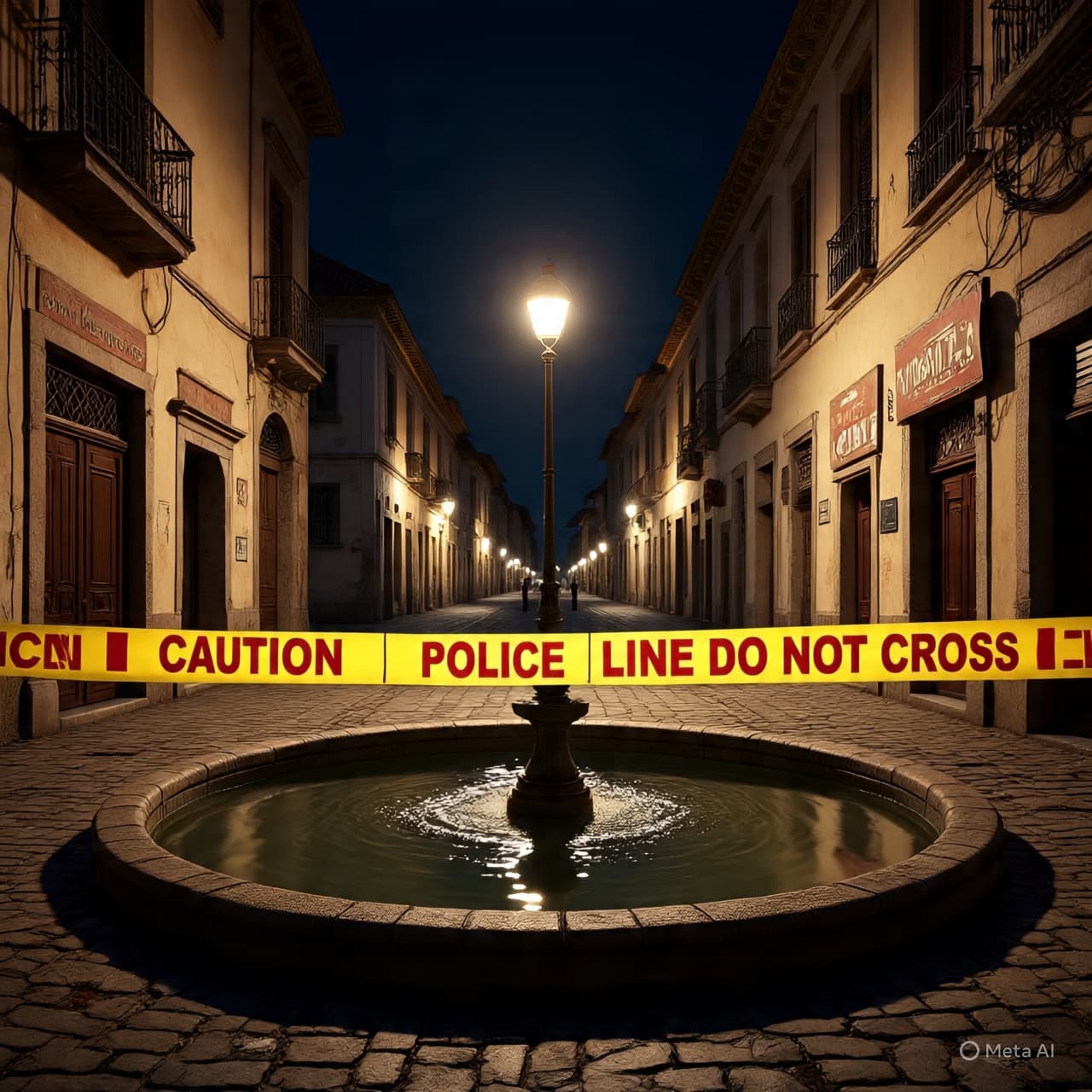
Images from the scene depict the usual symbols of the holiday—altars adorned with marigolds, candles flickering in memory, and families dressed in traditional makeup—interrupted by the stark presence of police tape. This contrast serves as a powerful reminder of the fragility of life and the harsh realities that can intrude upon sacred moments. The assassination of a public figure during such a significant cultural event raises profound questions about safety, governance, and the ongoing struggle against violence in Mexico.
Authorities are currently investigating the circumstances surrounding the mayor's death. Reports indicate that local officials across various regions in Mexico have increasingly faced threats and violence, highlighting the perilous nature of municipal leadership in a country grappling with organized crime and corruption. The assassination not only disrupts the local governance but also reflects a broader societal issue where the sanctity of cultural rituals is compromised by the specter of violence.
As the investigation unfolds, the community grapples with the emotional aftermath of this tragedy. The Day of the Dead is meant to be a voluntary act of remembrance, a time when the living can connect with the memories of those who have passed. However, the forced nature of mourning due to violence alters the very essence of this ritual, transforming it from a celebration of life to a stark reminder of loss and fear.
This incident serves as a critical juncture for discussions about the role of memory in the face of violence. It raises important questions about how communities can preserve their cultural practices while confronting the realities of insecurity. The intersection of memory and violence is not just a local issue; it resonates with broader themes of how societies cope with trauma and loss.
In the wake of this tragedy, it is essential for the community and the nation to reflect on the implications of such violence. The Day of the Dead should remain a time for healing and connection, not a backdrop for fear and mourning. As Mexico continues to navigate its complex relationship with violence, the resilience of its cultural practices will be tested, and the memory of those lost will serve as both a reminder and a call to action.
Published by Banx Network. This article is part of the Banx decentralized media programme, powered by the BXE token on the XRP Ledger.



