Some challenges are too large for any single institution, organization, or nation to address alone. They require cooperation that extends across borders and reflects a shared recognition of responsibility. Haiti’s ongoing efforts to improve stability have become one such challenge, drawing renewed attention from governments and international organizations seeking ways to support the country’s future.
France has called for stronger international engagement aimed at assisting stabilization initiatives in Haiti. The appeal reflects growing concern regarding the difficulties facing the Caribbean nation, including humanitarian pressures, economic challenges, and security concerns that continue to affect daily life for many communities.
The situation has prompted discussions among international partners regarding how best to provide meaningful assistance. Efforts often focus on supporting public institutions, improving humanitarian conditions, strengthening security cooperation, and encouraging sustainable development. Such objectives require coordination among multiple actors working toward common goals.
Humanitarian needs remain a significant component of the broader response. Communities facing economic hardship often require support related to healthcare, food security, education, and access to essential services. International assistance programs seek to address these needs while supporting longer-term recovery efforts.
France has emphasized the importance of collective action. Complex challenges rarely yield to isolated responses, particularly when multiple factors interact simultaneously. Coordinated strategies can help align resources, expertise, and support mechanisms in ways that improve effectiveness.
Observers note that sustainable progress depends on a combination of immediate assistance and long-term institution-building. While humanitarian support addresses urgent concerns, lasting stability often requires investments in governance, economic opportunity, infrastructure, and community resilience.
International organizations continue to play a central role in these efforts. Through partnerships with governments and local stakeholders, they help coordinate programs designed to address both short-term needs and broader development objectives. Such cooperation remains essential in environments characterized by multiple challenges.
France’s position reflects a broader understanding that international stability is often interconnected. Difficulties affecting one region can have wider implications, reinforcing the importance of shared engagement and practical support.
Experts caution that meaningful change requires patience. Stabilization processes rarely produce rapid results and often depend on sustained commitment over extended periods. Nevertheless, continued international involvement can help create conditions that support gradual progress.
As discussions regarding Haiti continue, France’s call for increased support underscores the value of cooperation in addressing complex global challenges. While no single initiative can resolve every difficulty, collective efforts remain an important part of helping communities move toward greater stability and opportunity.
AI IMAGE DISCLAIMER
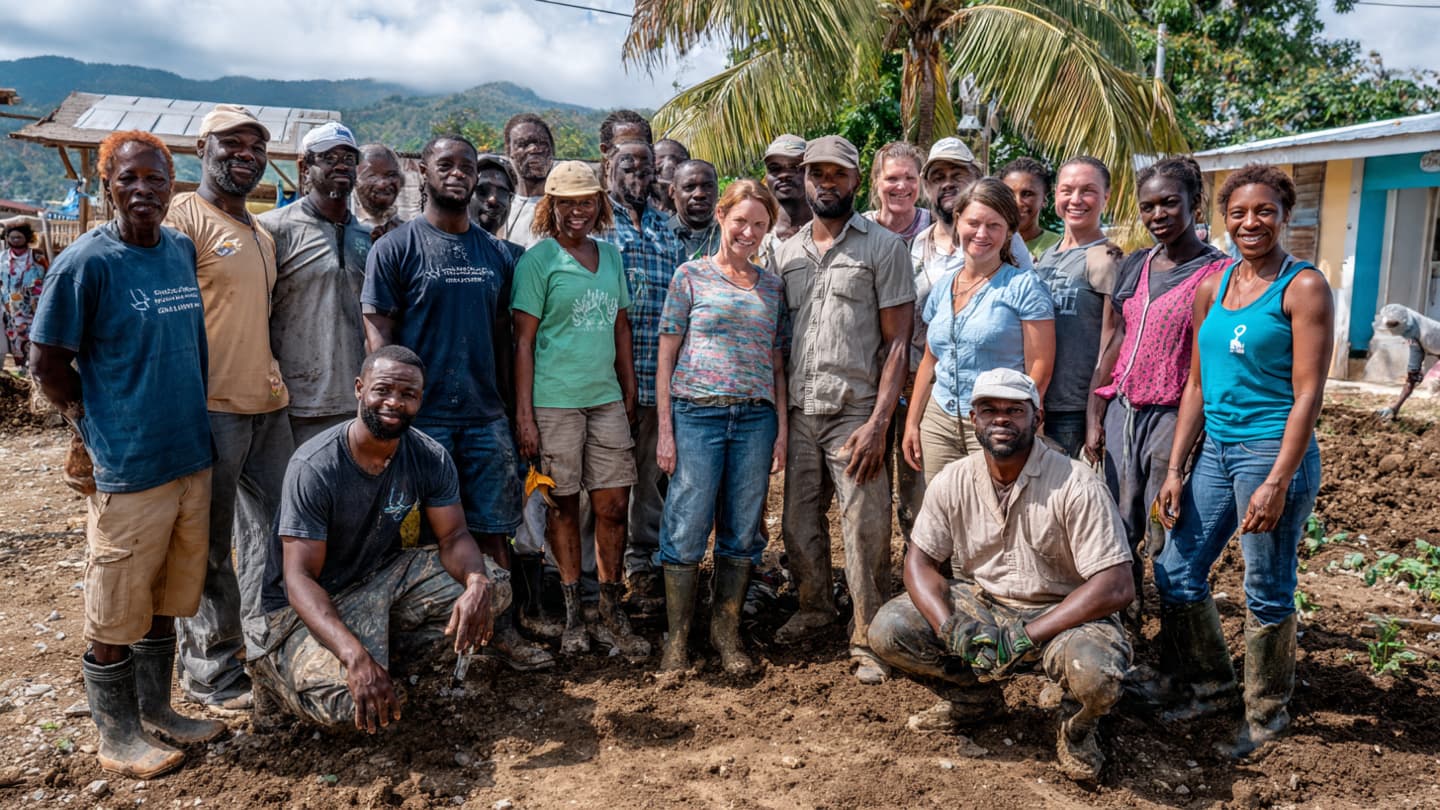
Graphics are AI-generated and intended for representation, not reality.
SOURCE CHECK
Reuters AFP United Nations France 24 Organization of American States
Published by Banx Network. This article is part of the Banx decentralized media programme, powered by the BXE token on the XRP Ledger.