

Key Highlights
- The Strait of Hormuz is a critical maritime route for global oil shipments.
- Current geopolitical tensions raise fears of potential disruptions to oil supply.
- Economic analysts warn of inflationary pressures and slowed global growth due to sustained disruptions.
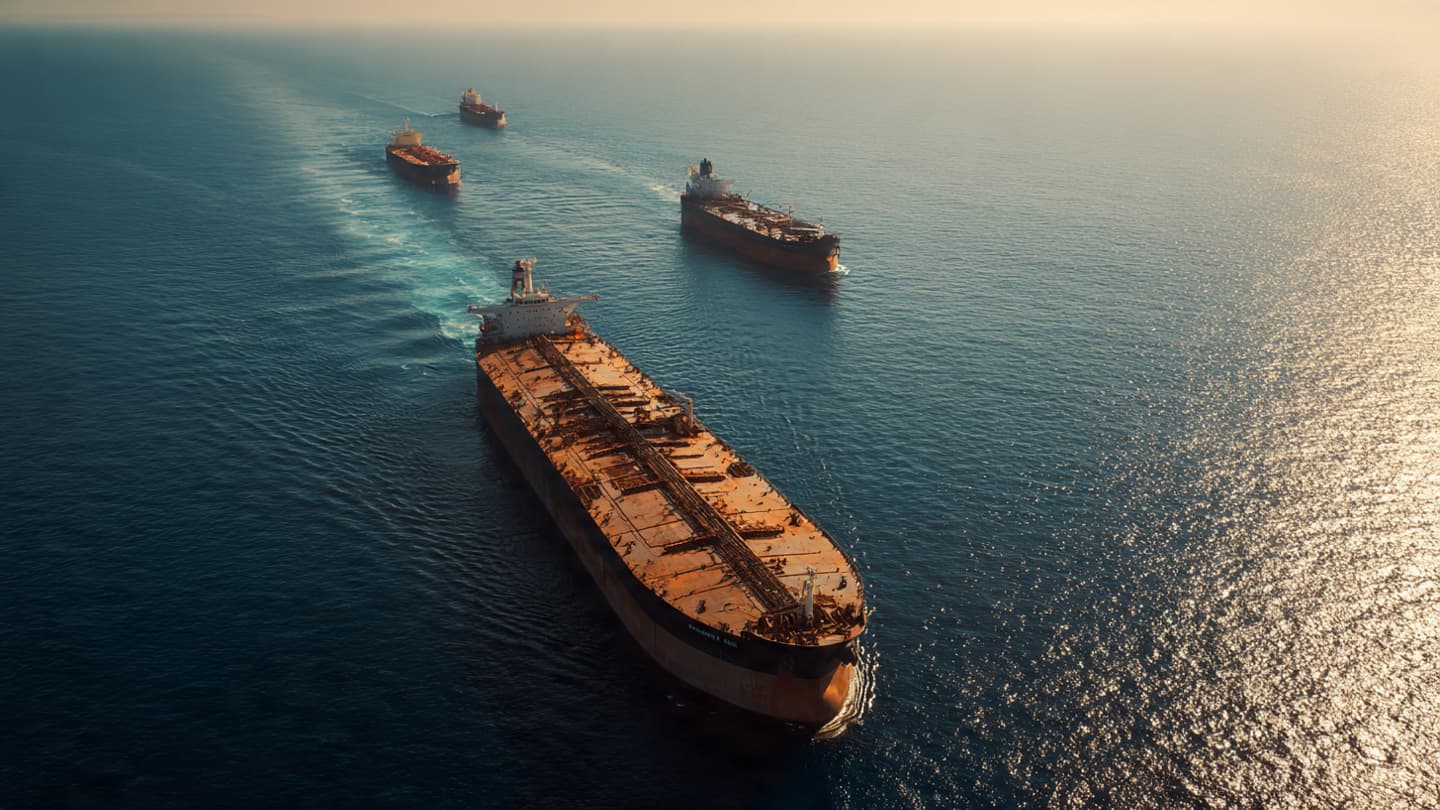
The Strait of Hormuz, a narrow waterway measuring just 33 kilometers at its narrowest point, plays a pivotal role in the global economy. This vital corridor facilitates the transit of approximately 20% of the world's oil supply, making it a focal point for energy markets. As geopolitical tensions escalate in the region, the implications for global trade and economic stability are profound.
Recent developments have sparked concerns among governments and economic analysts alike regarding the potential closure of this crucial strait. Any disruption, whether due to military conflict or diplomatic standoffs, could lead to significant constraints on oil supply, driving prices higher and impacting economies worldwide. The ripple effects of such disruptions could be felt far beyond the immediate region, affecting everything from transportation costs to manufacturing prices.
In response to these rising tensions, officials from countries reliant on the Strait of Hormuz are engaging in diplomatic discussions aimed at ensuring the passage remains open. These conversations involve not only direct negotiations between affected nations but also coordination with international partners to mitigate risks. The goal is to maintain a delicate balance between addressing security concerns and fostering long-term diplomatic relationships.
Economic analysts have issued warnings about the potential consequences of sustained disruptions in the strait. They predict that prolonged interruptions could exacerbate inflationary pressures, leading to increased costs for consumers and businesses alike. The interconnected nature of global markets means that energy prices can influence a wide range of sectors, making the stakes particularly high for policymakers.
As governments navigate these complex dynamics, they must weigh immediate security measures against the potential for long-term diplomatic fallout. Decisions made in the heat of the moment could have lasting implications for regional stability and international relations. The challenge lies in finding solutions that minimize disruption while addressing the underlying tensions that threaten to escalate.
Market reactions have been cautious, reflecting both uncertainty and the hope that diplomatic channels will remain active. Investors are closely monitoring developments in the region, particularly any signs of escalation or resolution. The situation serves as a stark reminder of how a single geographic point can hold significant sway over global economic conditions.
As diplomatic efforts continue, the world watches closely, aware that the fate of the Strait of Hormuz could shape the future of energy markets and economic stability for years to come. Governments are tasked with the critical challenge of preserving both stability and cooperation in a region fraught with complexity and potential conflict.
Published by Banx Network. This article is part of the Banx decentralized media programme, powered by the BXE token on the XRP Ledger.




