There are moments in global affairs when words float outward with a weight heavier than expected, like ripples spreading across still water after a long‑forgotten stone is cast. In such moments, language does not merely communicate—it resonates, shaping expectations and raising questions about what might lie ahead. Recently, one such ripple began with a forceful call aimed at a narrow and strategic passage of sea that links waters and economies far beyond its modest breadth.
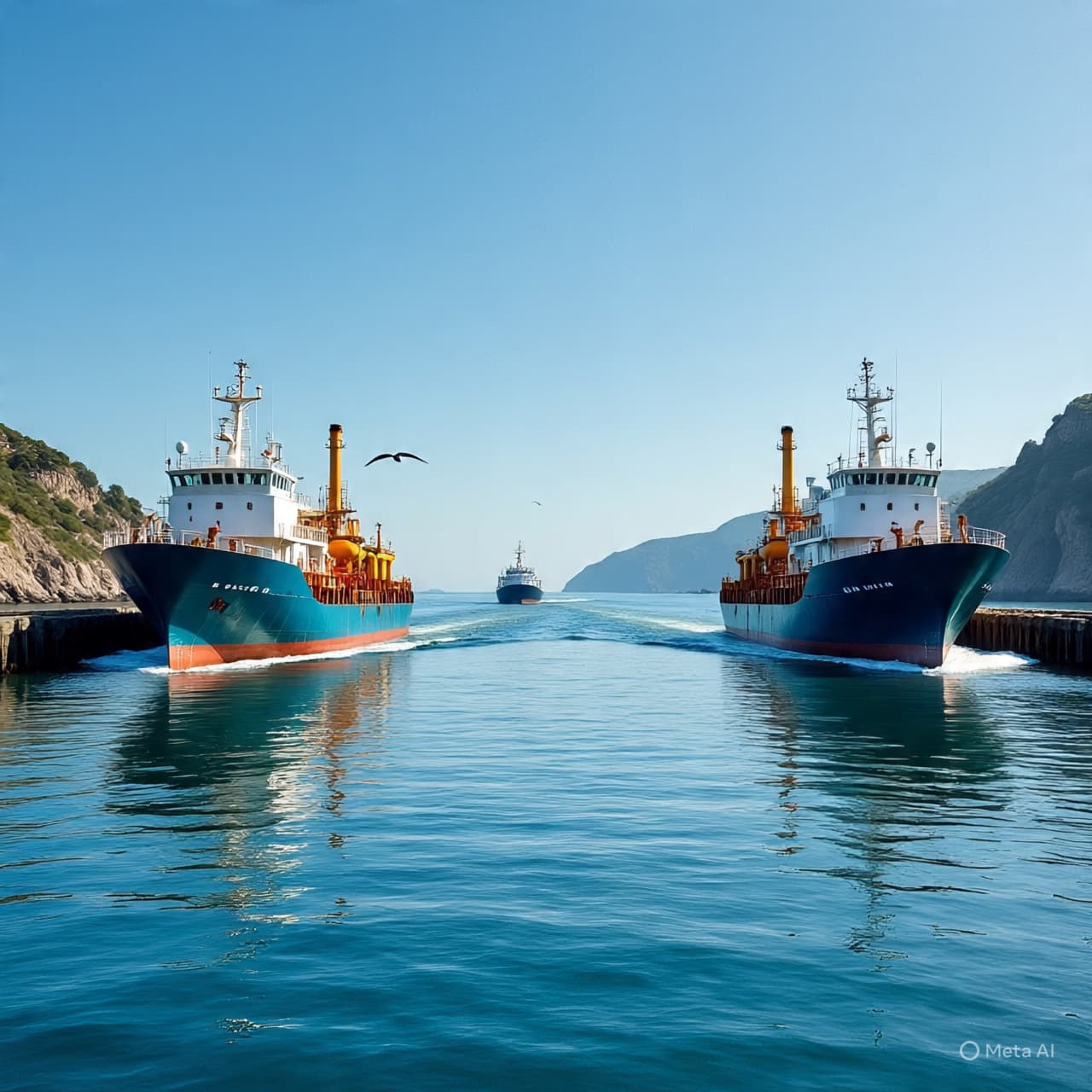
The Strait of Hormuz has long stood as one of the world’s most vital maritime chokepoints, its calm surface carrying not just ships, but the flow of energy that underpins global trade. This week, however, it became the focus of an emphatic message from Donald Trump, delivered on social media with an intensity that startled observers and drew widespread attention. In forceful, profanity‑tinged language, he urged Tehran to reopen the strait—closed amid escalating conflict—warning that if Iran did not comply, it would face severe consequences.
The tone, unusual for statements of national policy, carried both urgency and frustration, echoing through headlines and prompting reactions from allies and adversaries alike. Trump’s message referenced potential strikes on key infrastructure if the route remains blocked, suggesting that military pressure could increase if diplomatic and commercial passage cannot be restored.
Behind the dramatic phrasing lies a broader context of regional tension. The situation in parts of the Middle East has been volatile for weeks, shaped by military engagements, strategic maneuvers, and competing priorities among nations. In this climate, the closure of the Strait of Hormuz has underscored the interconnectedness of geopolitics and global markets: when energy supply routes are uncertain, markets respond, economies adjust, and policymakers reassess options.
Within that complexity, voices from various quarters have weighed in. Some observers view the forceful language as a means of exerting pressure and clarifying expectations; others have expressed concern about escalation and the risks of threatening civilian infrastructure. Across the spectrum, there is an acknowledgment that the stakes are high—not only for the nations directly involved, but for wider global communities that depend on stability and reliable commerce.
For Tehran, the response has been firm, emphasizing control over its own territory and strategic choices. For Washington and its partners, the focus remains on reopening critical pathways not just for economic flow but for diplomatic engagement as well. In the space between those positions, international actors watch, analyze, and react with caution.
And so, in a world where headlines can travel faster than fleets and financial flows, the words spoken about the Strait this week serve as both a signal and a question. They remind us that even narrow channels of water can carry broad implications, and that the language leaders choose will shape how events unfold in the days ahead.
For now, U.S. officials confirm that the presidential message was delivered with a firm deadline tied to reopening the waterway, and discussions among regional and global stakeholders continue. The Strait of Hormuz remains a focal point of international concern as diplomatic efforts and strategic moves persist.
AI Image Disclaimer Graphics are AI-generated and intended for representation, not reality.
Source Check (Credible Media Identified):
Reuters The Guardian Washington Post Anadolu Agency Forbes
Published by Banx Network. This article is part of the Banx decentralized media programme, powered by the BXE token on the XRP Ledger.