

Key Highlights
- Iran has allowed 20 Pakistani-flagged ships to pass through the Strait of Hormuz.
- This decision is viewed by Pakistan as a significant step toward peace.
- The Strait of Hormuz is crucial for global oil trade, with one-fifth of the world's oil passing through it.
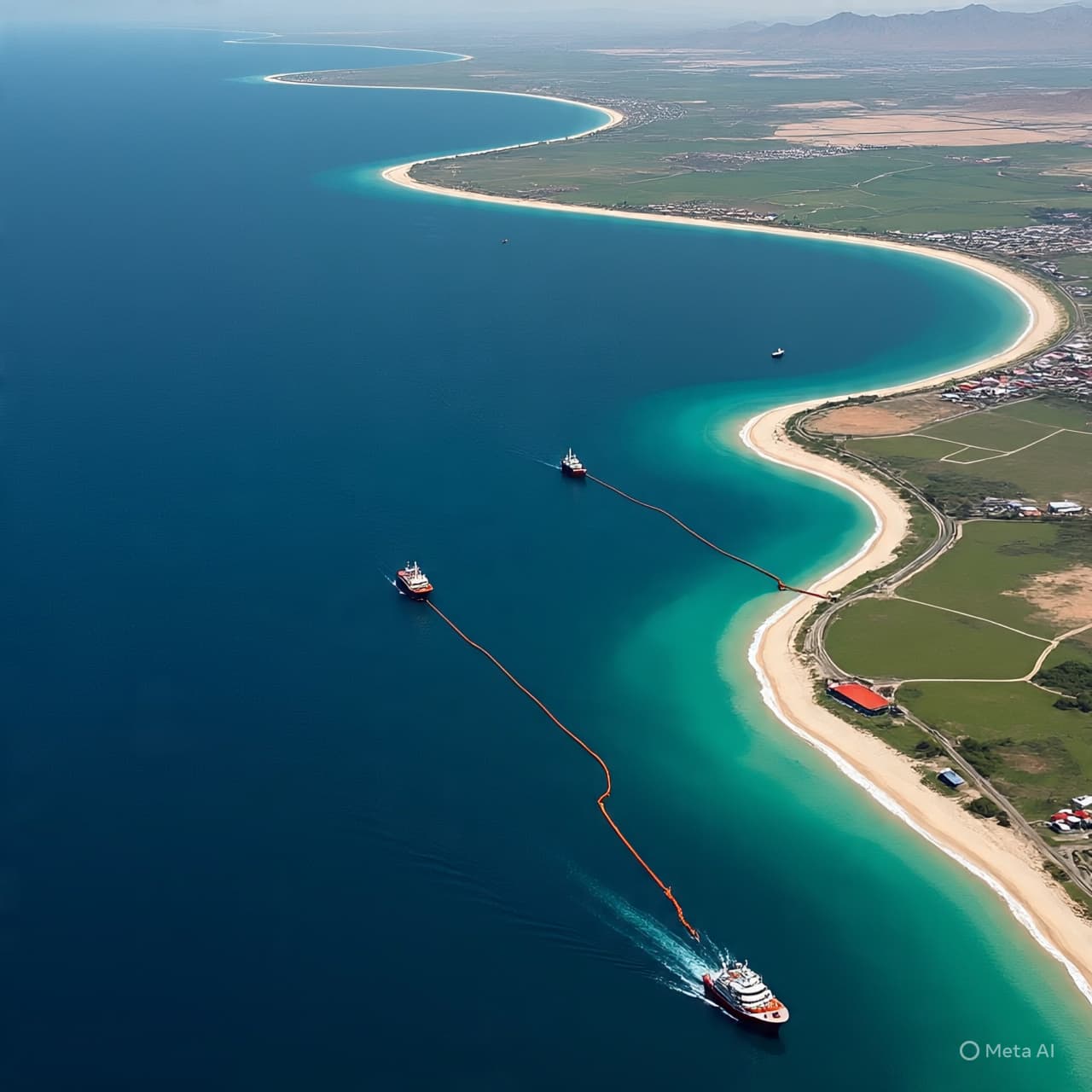
The Strait of Hormuz, a critical maritime chokepoint, has recently seen a cautious reopening as Iran permits the passage of 20 additional Pakistani-flagged vessels. This development, while modest in scale, is being hailed by Pakistani officials as a meaningful step toward peace in a region long marred by conflict. The strait, which typically facilitates the transit of approximately one-fifth of the world’s oil supply, has faced significant restrictions in recent weeks, leading to heightened tensions and uncertainty in global markets.
The decision to allow these ships to pass is not merely a logistical adjustment; it carries symbolic weight in the context of ongoing geopolitical strife. For weeks, the strait had been effectively closed to many vessels, causing delays and contributing to rising energy prices. The recent allowance for Pakistani ships suggests a potential thaw in relations, or at least a willingness to engage in dialogue amidst a backdrop of tension.
Pakistan's involvement in this situation is noteworthy. The country has positioned itself as both a beneficiary of this decision and a mediator in the region. By facilitating the passage of these ships, Pakistan aims to foster a sense of stability and confidence among regional powers. Officials in Islamabad have framed Iran's gesture as a constructive signal, one that could pave the way for broader diplomatic engagement in the future.
Despite this cautious optimism, the waters of the Strait of Hormuz remain turbulent. The permission granted by Iran is selective, primarily benefiting vessels from nations perceived as neutral or friendly. Broader restrictions on international shipping continue to loom, indicating that while there may be a willingness to engage, strategic interests remain firmly in play. This selective opening reflects a delicate balance, allowing for some movement while maintaining leverage in a complex geopolitical landscape.
In practical terms, the passage of 20 ships does little to restore the normal flow of maritime traffic through the strait. Prior to the current conflict, the strait would see dozens, if not hundreds, of vessels navigating its waters daily. The current limited passage represents only a fraction of that volume, underscoring the symbolic rather than transformative nature of this development.
Symbolism plays a crucial role in geopolitics, especially in a region where escalation often overshadows restraint. Even a small gesture, such as allowing a limited number of ships to pass, can shift the tone of diplomatic conversations. It serves as a reminder that channels of communication, however narrow, remain open even in times of heightened tension.
As the situation unfolds, the Strait of Hormuz continues to be defined by caution rather than certainty. Iran's decision to permit limited passage may not resolve the broader conflict, but it introduces a note of possibility into an otherwise fraught landscape. The future of this development—whether it leads to wider cooperation or fades into another fleeting gesture—will depend on subsequent actions taken by regional players.
Published by Banx Network. This article is part of the Banx decentralized media programme, powered by the BXE token on the XRP Ledger.




