There are times when policy enters public life not with clarity, but with a stumble — as if language itself hesitates at the doorway. This week, the debate over how governments should fund long-term energy commitments has unfolded in just such a way. A proposed charge tied to liquefied natural gas has arrived without a settled name, hovering uncertainly between a tax, a levy, or something else entirely. In that uncertainty, questions have taken root.
The measure, intended to help fund infrastructure and energy-related obligations linked to LNG production and supply, has been presented as a necessary adjustment rather than a new burden. Yet officials have struggled to describe it consistently. Some have called it a levy, suggesting a targeted contribution. Others have rejected the word “tax,” wary of its political weight, even as critics argue the distinction is more rhetorical than real.
Industry groups have responded cautiously, noting that terminology matters less than impact. They warn that any additional charge, however framed, could affect investment decisions in a sector already navigating volatile prices, global competition, and long project timelines. For LNG exporters, predictability is often valued as highly as profitability, and ambiguity can unsettle both.
Opposition figures and analysts have pressed the government for clearer explanations. They argue that the lack of a precise definition risks undermining public trust, particularly at a time when households and businesses remain sensitive to cost pressures. If the charge is not a tax, they ask, what precisely distinguishes it from one? And if it is a levy, how narrowly will it be applied?
Within government, the emphasis has remained on purpose rather than labels. Officials point to the need for stable funding to support energy transition goals, maintain infrastructure, and ensure long-term security of supply. In their view, the debate over naming should not overshadow the policy’s intent. Still, repeated clarifications have done little to settle the matter.
As the proposal moves through consultation and legislative scrutiny, the language surrounding it may yet be refined. What remains clear is that the question is no longer only about revenue, but about how governments communicate cost, responsibility, and fairness in an era of energy transition.
In closing, the government has confirmed that the LNG-related charge is under review and subject to further consultation. Officials say details, including its final structure and legal definition, will be clarified before implementation. For now, the measure remains proposed, not enacted, as debate continues.
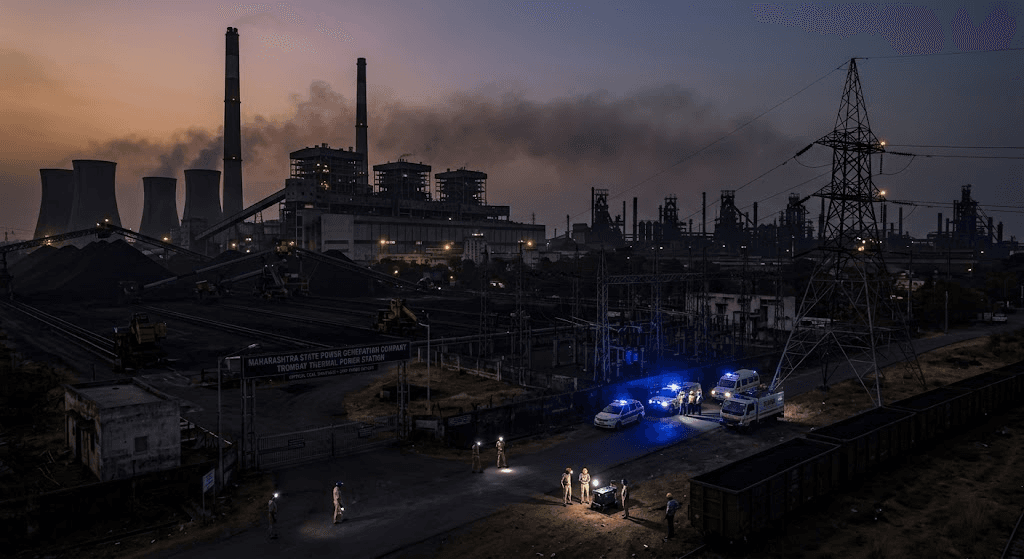
AI Image Disclaimer Illustrations were produced using AI tools and are intended as conceptual representations, not real photographs.
Sources (media names only) Reuters Bloomberg Financial Times The Guardian BBC News
Published by Banx Network. This article is part of the Banx decentralized media programme, powered by the BXE token on the XRP Ledger.