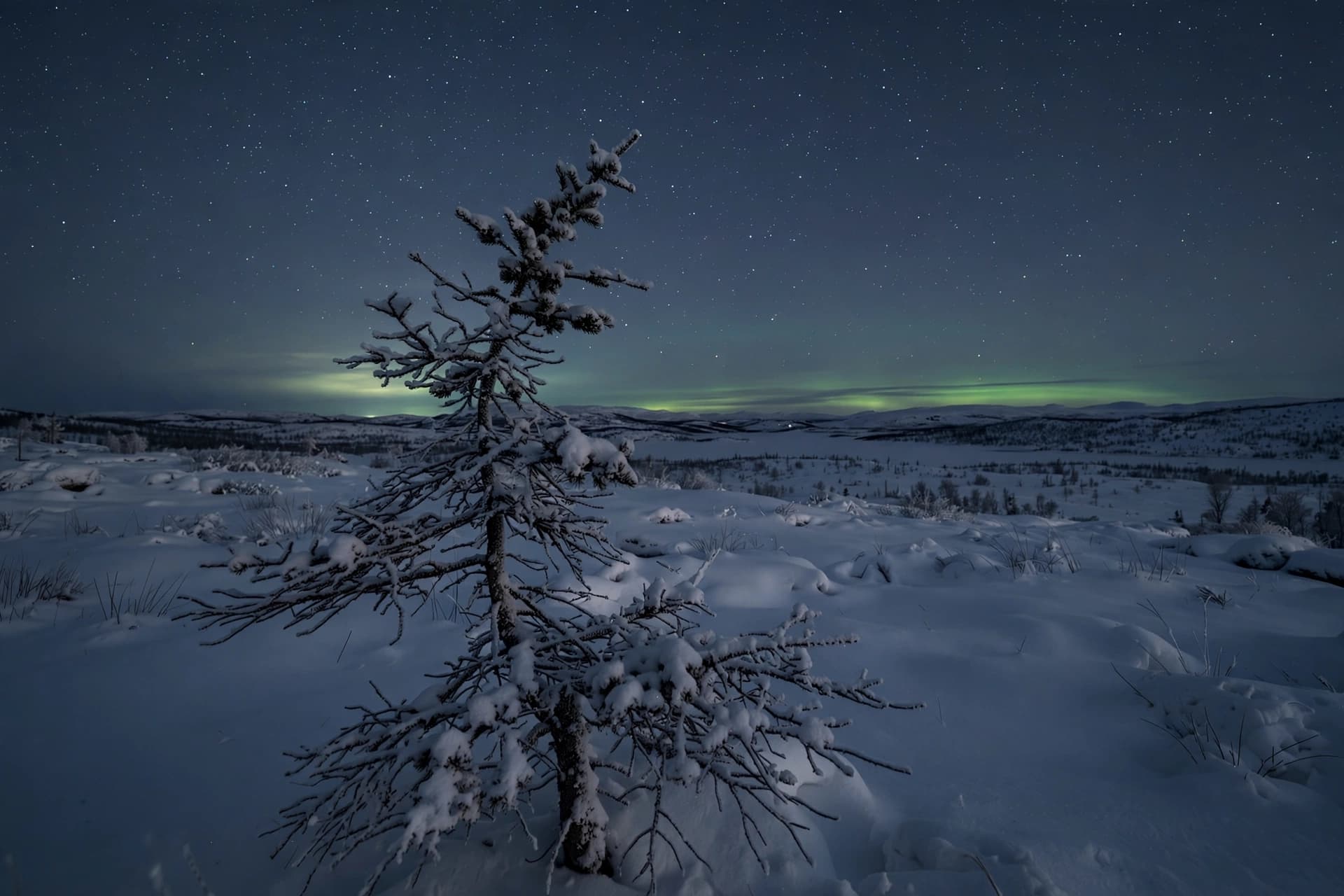
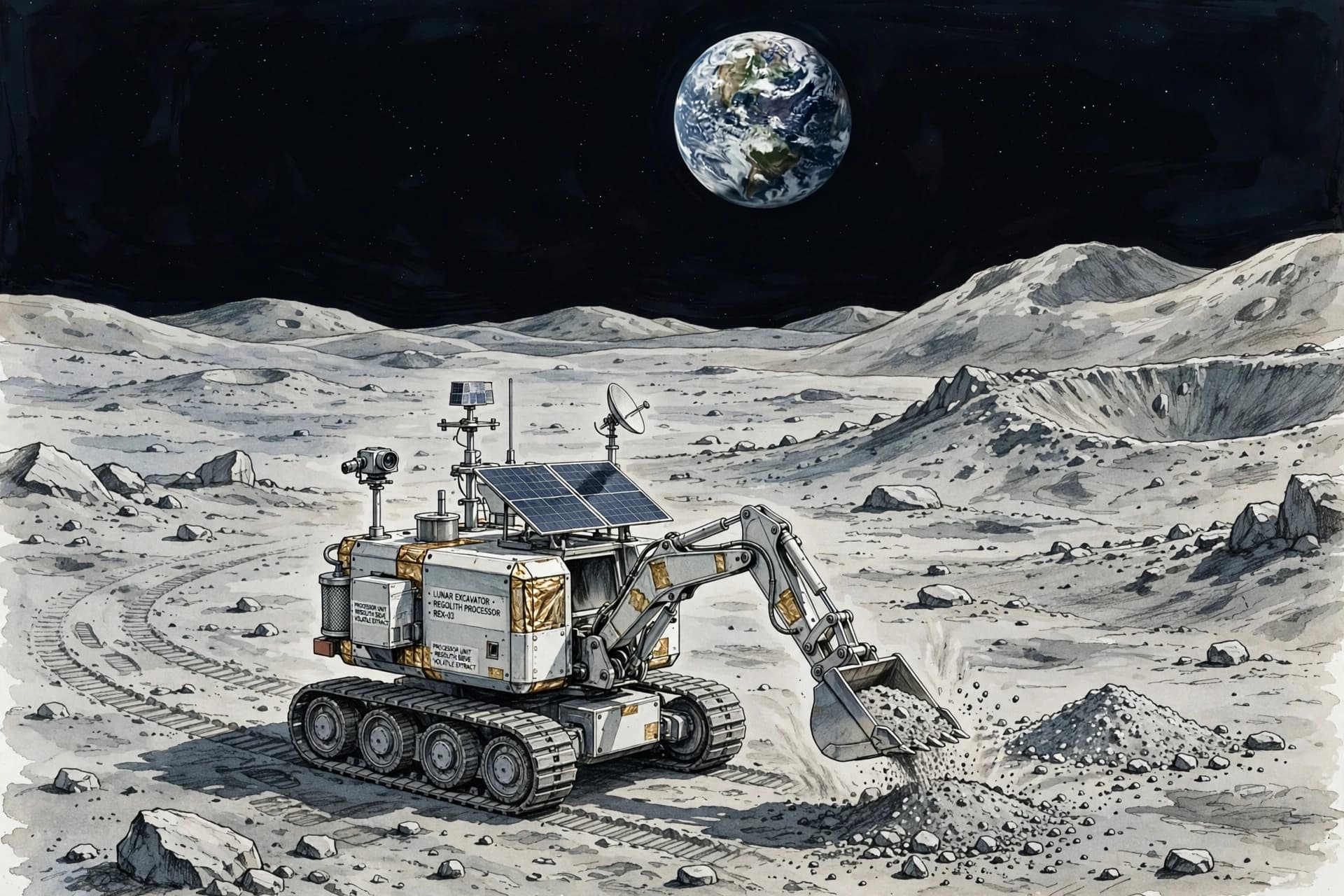
In the outer reaches of Jupiter’s domain, Ganymede drifts as a world of ice and rock, its surface marked by ancient patterns that suggest permanence. Yet beneath that stillness, scientists consider the possibility that its internal structure may not be entirely settled, as if the moon is continuing to write its own geological story.
Ganymede, the largest moon in the solar system, has long been of interest to planetary scientists due to its differentiated interior, which includes a metallic core, silicate mantle, and icy outer layers. This structure is typically associated with bodies that have completed major phases of internal evolution.
However, recent models suggest that under certain thermal and compositional conditions, the separation and crystallization of metallic materials within a planetary body may continue over extended geological timescales. This raises the possibility that Ganymede’s core formation process may still be gradually evolving.
Data from NASA’s Galileo mission and upcoming observations from ESA’s JUICE (Jupiter Icy Moons Explorer) mission contribute to refining understanding of the moon’s magnetic field, which is unique among moons in the solar system due to its intrinsic generation.
This magnetic field provides indirect evidence of a partially active or dynamically evolving interior, since magnetic behavior is closely linked to the movement of conductive materials within a planetary core.
Researchers use computer simulations to explore how heat transfer, radioactive decay, and tidal interactions with Jupiter may influence internal differentiation. These factors can sustain slow geological activity even in distant and cold environments.
While the idea of an actively forming core remains under scientific examination, it reflects broader questions about how long planetary bodies remain thermally active after their formation. The boundary between “finished” and “ongoing” planetary evolution is often less distinct than once assumed.
Ganymede therefore serves as a natural laboratory for studying how large icy bodies evolve internally across billions of years.
Ongoing research continues to examine Ganymede’s interior, offering a deeper understanding of how planetary structures may evolve long after their initial formation.
AI Image Disclaimer: Illustrations accompanying this article may be AI-generated for conceptual scientific visualization.
Source Verification Check: NASA, ESA, Nature, Science Magazine, Geophysical Research Letters
Published by Banx Network. This article is part of the Banx decentralized media programme, powered by the BXE token on the XRP Ledger.