
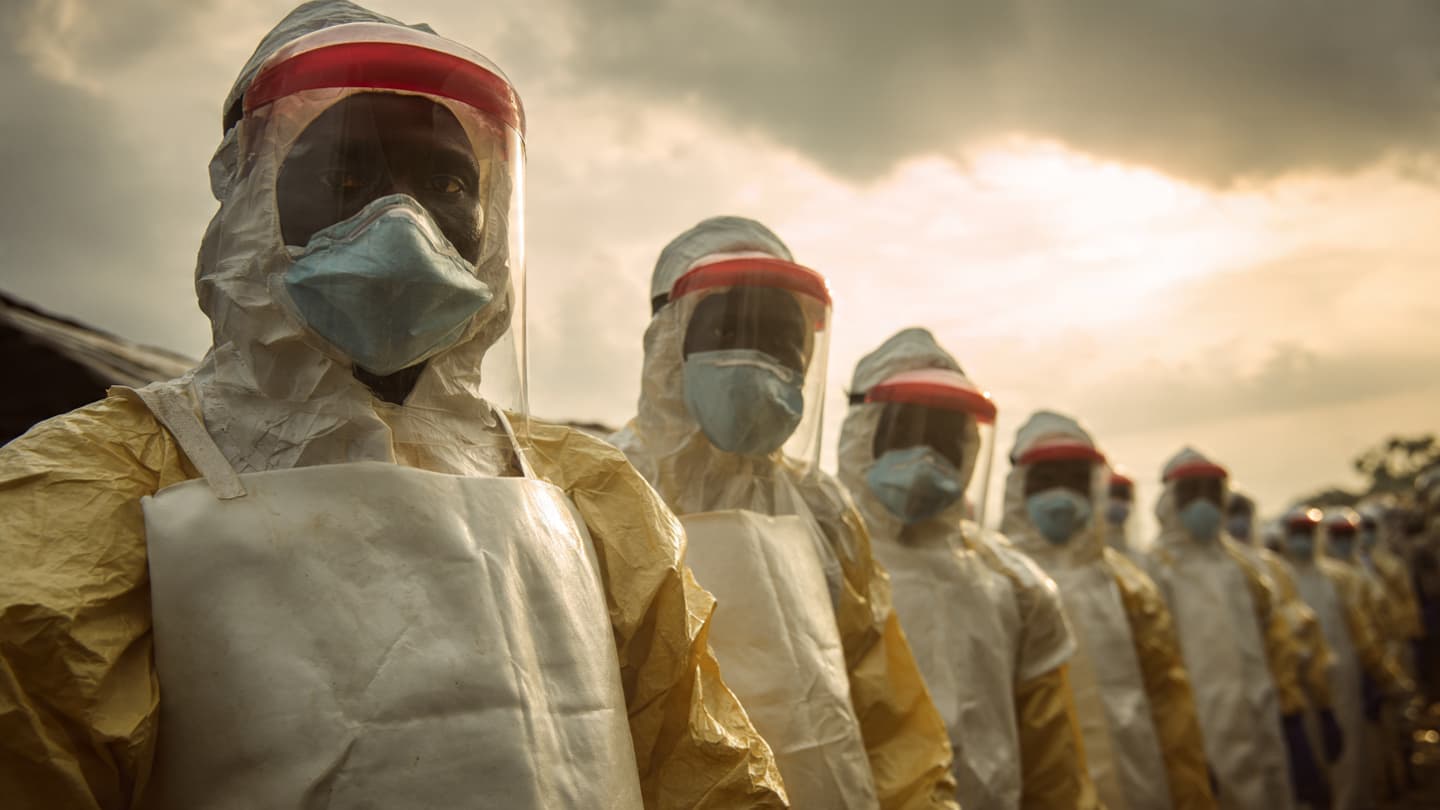
Key Highlights
- WHO Declaration:The World Health Organization has declared the Ebola outbreak in the Democratic Republic of the Congo and Uganda a global health emergency.
- Increased Surveillance:Health authorities have intensified surveillance and testing to control the spread of the virus.
- Community Impact:The outbreak disrupts local economies and healthcare services, highlighting the broader implications of infectious diseases.
The recent decision by the World Health Organization (WHO) to declare the Ebola outbreak affecting parts of the Democratic Republic of the Congo (DRC) and Uganda a global health emergency underscores the seriousness of this public health crisis. This declaration comes after monitoring the spread of confirmed Ebola cases in these regions, aiming to mobilize resources, enhance international coordination, and support containment efforts.
Ebola, a severe viral disease, spreads through direct contact with infected bodily fluids. Since its discovery in 1976, the disease has caused periodic outbreaks in several African nations, often necessitating extensive public health interventions to control transmission. The WHO's declaration is a critical step in addressing the current outbreak, which has already tested the resilience of healthcare systems in the affected areas.
In response to the outbreak, health authorities in both the DRC and Uganda have ramped up surveillance measures, expanded testing capacities, and launched public awareness campaigns. Medical teams are actively working to identify cases quickly and monitor potential contacts to prevent further spread of the virus. The emphasis on rapid detection is crucial, as it remains one of the most effective tools in limiting outbreaks.
Vaccination programs are also being deployed where available, targeting vulnerable populations and frontline healthcare workers to reduce risks associated with the disease. These efforts are vital in the fight against Ebola, as they not only protect individuals but also help to contain the virus within communities.
However, the impact of Ebola extends beyond immediate health concerns. Communities affected by the outbreak often face significant challenges, including disruptions to economic activity, education, transportation, and local healthcare services. As authorities implement measures to contain the disease, the broader implications for society become increasingly evident.
Global health experts emphasize that lessons learned from previous outbreaks have enhanced preparedness and response capabilities. Investments in laboratory networks, emergency response teams, and international cooperation have strengthened the ability to address emerging threats like Ebola. Nevertheless, officials continue to urge governments and health agencies to maintain vigilance, as infectious diseases can easily cross borders through travel and trade.
While health authorities stress that the outbreak remains concentrated in specific regions, the WHO's emergency declaration serves as a critical reminder of the importance of preparedness and cooperation in global health. Current efforts are focused on limiting transmission, protecting communities, and preventing a wider spread of the virus, highlighting the ongoing need for international collaboration in public health crises.
Published by Banx Network. This article is part of the Banx decentralized media programme, powered by the BXE token on the XRP Ledger.



