
Key Highlights
- Proposed Funding:A $1 billion initiative aims to address the ecological challenges facing the Great Salt Lake.
- Environmental Impact:Declining water levels threaten air quality and migratory bird habitats.
- Stakeholder Collaboration:Critics emphasize the need for clear strategies and cooperation among various levels of government.
The Great Salt Lake, a vital ecological resource in Utah, is facing significant challenges due to declining water levels attributed to drought and water diversion. This situation has prompted a proposal linked to former President Donald Trump, which seeks to allocate approximately $1 billion towards restoring the lake's ecosystem. The funding is intended to address the pressing environmental issues that have arisen as the lake's water levels continue to drop.
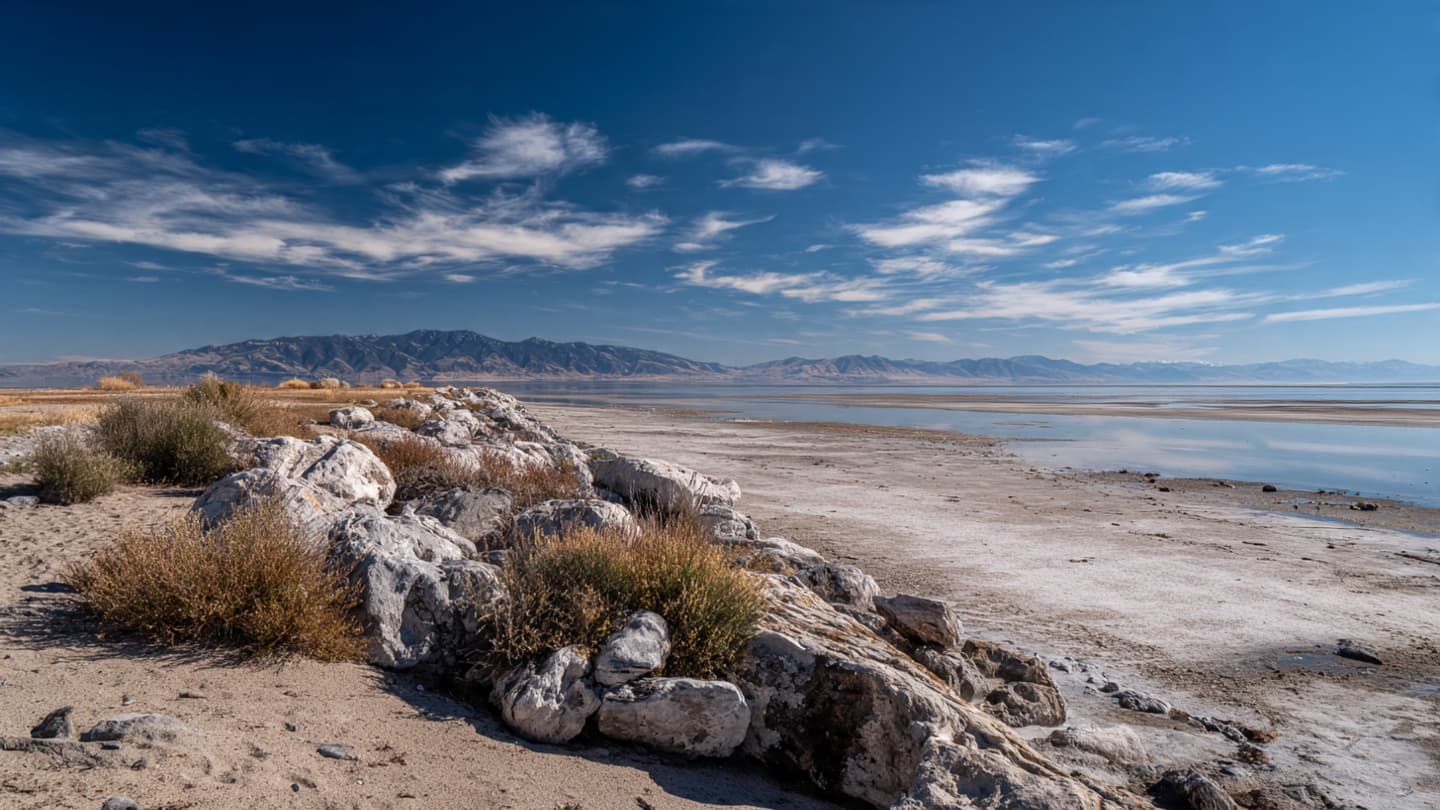
Supporters of the funding argue that immediate intervention is crucial to stabilize the lake's ecosystem. As water levels recede, vast areas of lakebed are exposed, raising concerns about air quality. Dust from these exposed areas can become airborne, potentially leading to health issues for nearby communities. Environmental scientists warn that the ongoing shrinkage of the lake could disrupt habitats for migratory birds and alter regional climate patterns, further underscoring the lake's importance as a critical ecological resource.
The proposed funding is part of a broader strategy to manage water resources effectively and protect the environmental infrastructure surrounding the Great Salt Lake. Potential projects under consideration include water conservation measures, infrastructure improvements, and various restoration initiatives aimed at revitalizing the lake's ecosystem. These efforts reflect a growing recognition of the lake's ecological significance and the urgent need for action.
However, the proposal has not been without its critics. Some stakeholders have raised concerns regarding the scope and implementation of the proposed spending. They emphasize the necessity for clear strategies and measurable outcomes to ensure that the funding is used effectively. Collaboration among state, federal, and local stakeholders is deemed essential to develop a comprehensive approach to the lake's restoration.
Water management in the American West has historically been a complex issue, influenced by factors such as population growth, agricultural demands, and climate variability. The challenges faced by the Great Salt Lake are emblematic of these broader pressures, highlighting the need for innovative solutions and effective governance.
In recent years, public awareness of the lake's deteriorating condition has increased, leading to calls for both immediate action and long-term planning. As discussions surrounding the proposed funding continue, the future of the Great Salt Lake remains intricately linked to decisions that balance environmental preservation with practical governance. Policymakers are tasked with weighing priorities and resources to ensure the lake's health and sustainability for future generations.
As the conversation evolves, it is clear that the fate of the Great Salt Lake will depend on collaborative efforts and strategic planning to restore its delicate balance.
Published by Banx Network. This article is part of the Banx decentralized media programme, powered by the BXE token on the XRP Ledger.



