
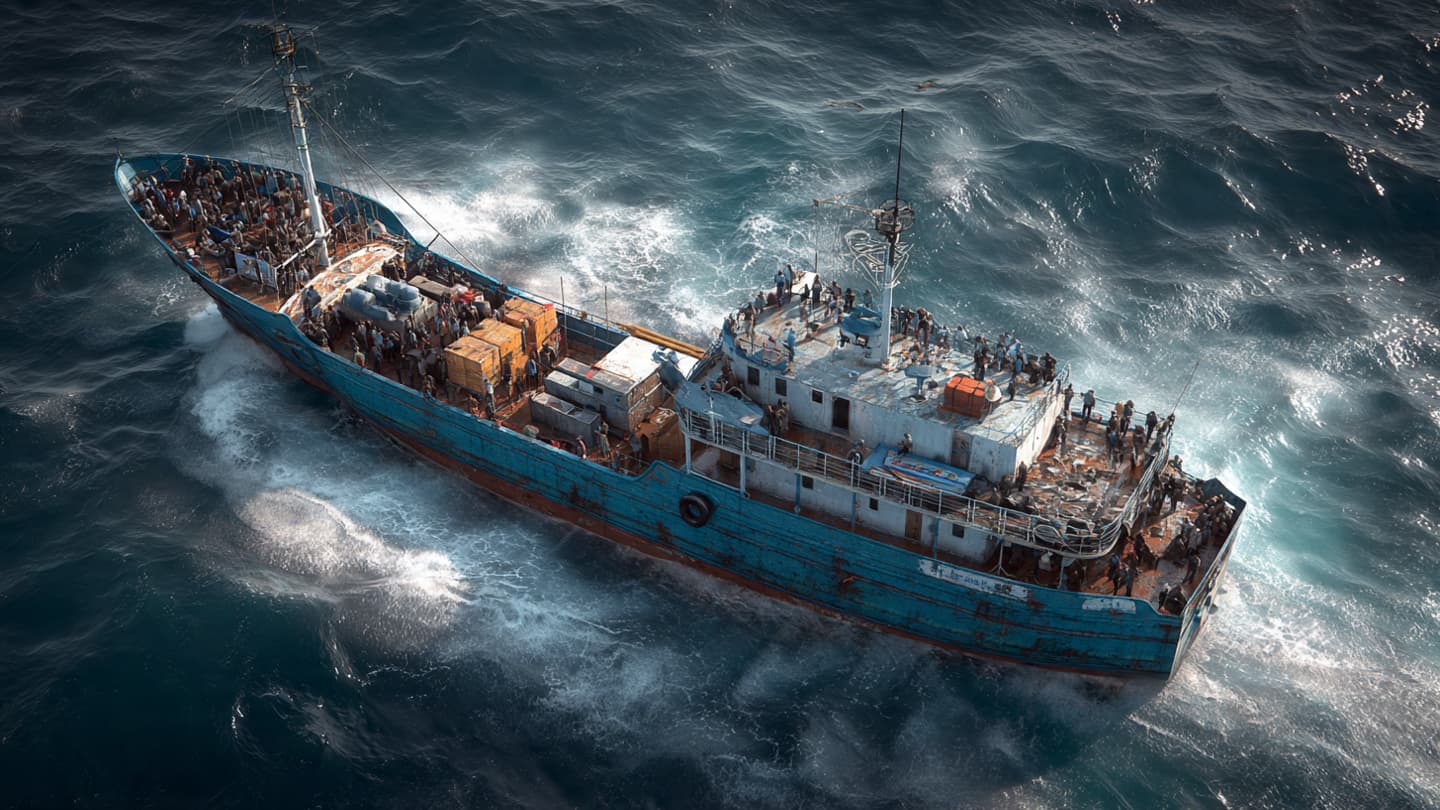
Journalism in conflict zones has long resembled a lantern carried through uncertain winds. Reporters move between borders, checkpoints, and fragile moments, often attempting to document realities that the wider world can only witness through their words and images. When one of those voices is interrupted, reactions frequently extend beyond politics into broader concerns about press freedom and humanitarian access.
Indonesia’s Ministry of Foreign Affairs strongly condemned the reported arrest of a Republika journalist by Israeli authorities during a humanitarian mission connected to the Gaza Solidarity Flotilla (GSF). The ministry described the incident as deeply concerning and called for immediate clarification regarding the journalist’s condition and legal status.
According to official statements, the journalist was part of a civilian humanitarian mission attempting to draw international attention to conditions in Gaza. Indonesian officials stated that the government continues coordinating with related parties to ensure consular assistance and monitor developments surrounding the detention.
The incident emerged amid heightened international scrutiny regarding humanitarian access and media coverage linked to the conflict in Gaza. Journalists operating in or around conflict areas have increasingly faced security risks, movement restrictions, and legal complications during ongoing military tensions.
Indonesia reiterated its support for the protection of journalists and humanitarian personnel operating under international norms. The Foreign Ministry emphasized that members of the press should be allowed to carry out professional duties without intimidation or arbitrary detention.
Israeli authorities have not publicly released extensive details regarding the detention, though security operations involving flotilla missions have previously been justified on the basis of maritime enforcement and regional security considerations. International observers continue monitoring developments surrounding the mission and the status of those involved.
Press freedom organizations and humanitarian groups have repeatedly highlighted the vulnerability of journalists covering armed conflict. Beyond documenting events, reporters often become key channels through which humanitarian realities reach international audiences.
For Indonesia, the issue also carries diplomatic sensitivity because public support for Palestinian humanitarian concerns remains strong domestically. Government responses therefore reflect not only foreign policy considerations, but also wider public attention toward developments in Gaza.
The Foreign Ministry stated that diplomatic communication regarding the detained journalist remains ongoing, while Indonesian officials continue seeking updates through available international channels.
Disclaimer: Some accompanying visuals in this article were created through AI-generated imagery.
Sources: Kompas, Reuters, Al Jazeera, AP, Republika
Published by Banx Network. This article is part of the Banx decentralized media programme, powered by the BXE token on the XRP Ledger.


.jpg&w=3840&q=75 "US Declares Drought Disaster for Parts of Puerto Rico as Dry Conditions Persist")