
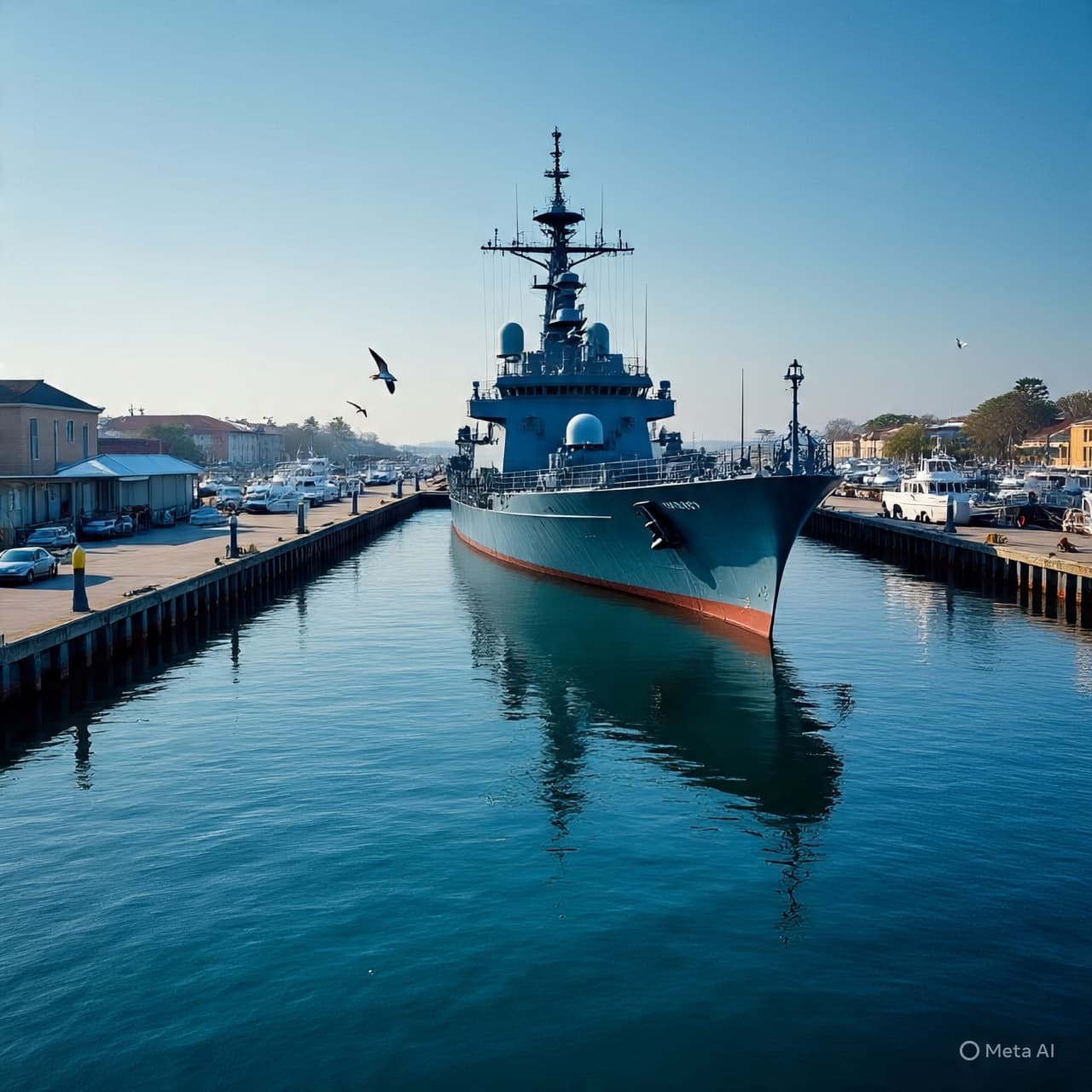
Key Highlights
- Event:The USS Cole was attacked in 2000, leading to significant casualties.
- Impact:The incident prompted a major reassessment of naval security protocols.
- Legacy:Changes in tactics and technology have shaped modern naval defense strategies.
The attack on the USS Cole on October 12, 2000, while docked in the port of Aden, Yemen, marked a pivotal moment in naval history. This incident, where a small boat laden with explosives struck the U.S. Navy destroyer, resulted in the deaths of 17 sailors and injuries to 39 others. The attack not only caused physical damage but also exposed critical vulnerabilities in naval operations, prompting a comprehensive reevaluation of security measures in ports and coastal areas.
In the immediate aftermath of the attack, the U.S. Navy recognized the need to reassess its operational protocols. Prior to the Cole incident, naval security measures primarily focused on threats from larger, conventional forces. However, the nature of the Cole attack underscored the risks posed by asymmetric threats, particularly from small, fast-moving vessels in confined harbor environments. This realization led to a shift in how naval forces approached security in these vulnerable areas.
In response to the Cole attack, the Navy implemented a series of changes aimed at enhancing ship defense systems and operational procedures. These changes included increased force protection levels, improved surveillance capabilities in port areas, and revised guidelines for the positioning of vessels during refueling and docking operations. The goal was to create a more robust defense against potential threats, particularly those that could arise unexpectedly in close quarters.
The implications of the Cole attack extended beyond immediate procedural updates. It significantly influenced military planners' understanding of asymmetric warfare at sea, where traditional naval superiority could be undermined by unconventional tactics. This shift in perspective led to increased investments in detection systems, rapid-response capabilities, and layered security approaches designed to address threats at varying distances from naval assets.
Training programs within the Navy also evolved in response to the lessons learned from the Cole incident. Personnel began to receive more comprehensive training for scenarios involving close-range maritime threats, including fast-attack craft and explosive-laden boats. Exercises were designed to simulate realistic harbor environments, emphasizing the importance of situational awareness and coordinated responses to potential attacks.
Technological advancements followed as well, with naval defense systems integrating improved sensors, automated tracking, and enhanced perimeter protection tools. These innovations were not the result of a single breakthrough but rather a cumulative effort influenced by operational experiences and evolving threat assessments. The Navy's commitment to adapting its technology and tactics has been crucial in maintaining maritime security in an increasingly complex threat landscape.
The legacy of the USS Cole incident is often discussed not only in terms of the tragic loss of life but also in terms of the transformation it spurred within naval defense thinking. It highlighted the necessity of adapting security frameworks to address changing forms of risk, particularly in environments where traditional battlefield boundaries are blurred. This understanding has since become a fundamental aspect of naval doctrine and continues to inform strategic planning today.
While the Cole attack remains a somber chapter in U.S. naval history, its influence on defense strategies is profound and long-lasting. The systems and strategies developed in its wake reflect an ongoing commitment to reducing vulnerability and responding more effectively to emerging threats in maritime environments.
Published by Banx Network. This article is part of the Banx decentralized media programme, powered by the BXE token on the XRP Ledger.



