

Key Highlights
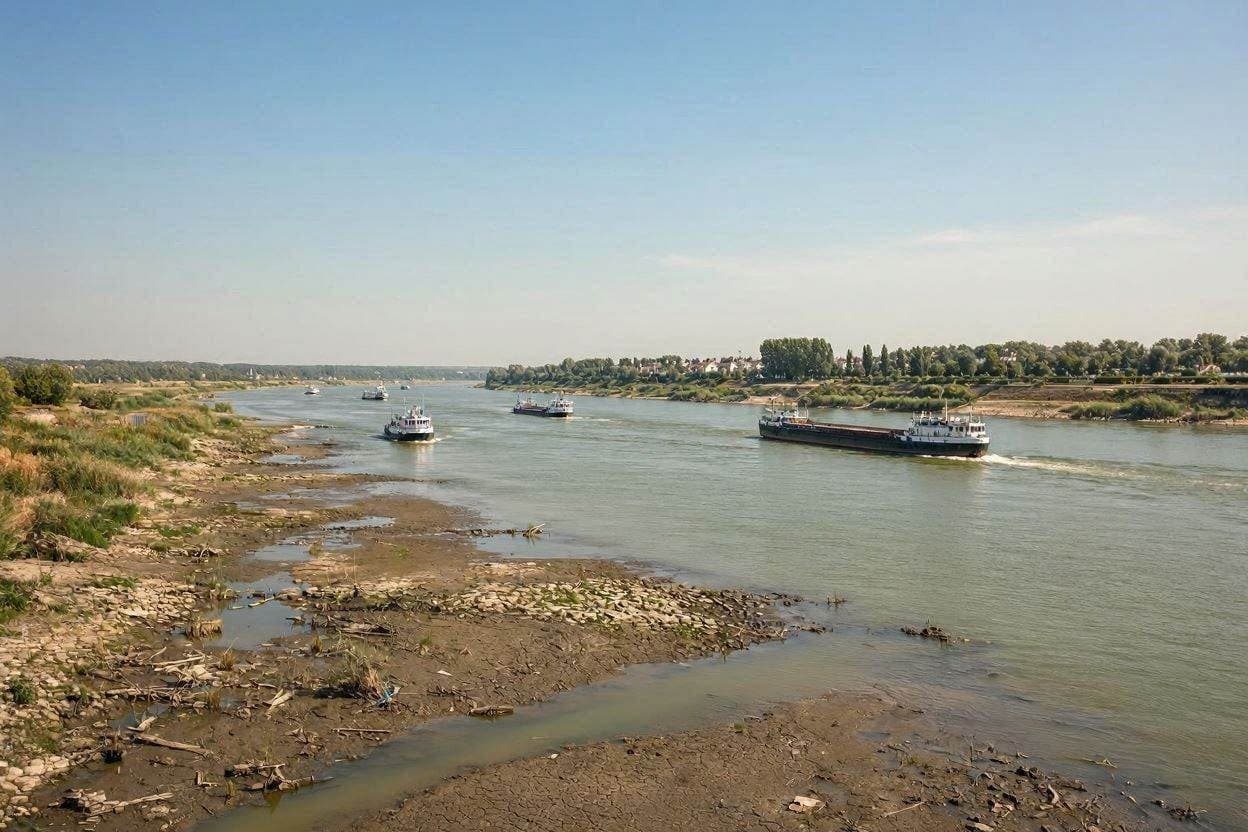
- Drought conditions have led to record low water levels in the Danube River.
- Shipping and tourism sectors are facing significant operational challenges.
- The situation underscores the broader impact of climate change on Central Europe.
The Danube River, a vital artery for Central Europe, is experiencing unprecedented low water levels due to severe drought conditions. This situation has emerged as a stark reminder of the ongoing climate crisis, affecting not only the river's ecosystem but also the economic activities that depend on its waters. As temperatures soar and rainfall dwindles, the implications for communities along the river are becoming increasingly dire.
Historically, the Danube has served as a crucial transportation route, facilitating trade and tourism across several countries. However, the current drought has complicated navigation for cargo vessels, which are now forced to reduce their loads to avoid grounding in shallow waters. This adjustment not only increases operational costs but also leads to delays that ripple through supply chains reliant on timely deliveries.
Tourism, another significant sector impacted by the river's changing conditions, has seen river cruises adjust their itineraries. Visitors drawn to the scenic views and cultural landmarks along the Danube are now facing cancellations and altered routes, diminishing the experience that many travelers seek. The economic repercussions extend beyond immediate losses, as local businesses that thrive on tourism also suffer from reduced foot traffic and revenue.
The broader environmental implications of the Danube's low water levels are equally concerning. Ecosystems that rely on stable water conditions are under threat, with potential disruptions to wildlife habitats and natural processes. Scientists warn that the frequency and intensity of such extreme weather events may increase due to climate change, necessitating urgent action from governments and communities to adapt and mitigate these effects.
In response to the ongoing crisis, local authorities and environmental organizations are prioritizing water management strategies. Efforts are underway to monitor climate conditions more closely and to develop infrastructure that can withstand changing environmental realities. These initiatives aim to enhance resilience against future droughts and ensure the sustainability of the river's ecosystems and the communities that depend on them.
As Central Europe grapples with the consequences of prolonged dry spells, the Danube River stands as a poignant symbol of the interconnectedness of human activity and natural systems. The current challenges highlight the need for careful stewardship of water resources and the importance of adapting to a rapidly changing climate. The lessons learned from this crisis may shape future policies and practices, ensuring that the Danube continues to thrive as a vital resource for generations to come.
Published by Banx Network. This article is part of the Banx decentralized media programme, powered by the BXE token on the XRP Ledger.




