There are moments in life when an everyday gesture — a familiar touch, a gentle kiss — seems to carry the warmth of affection. Such is the love between many pet owners and their dogs, a language of licks and tail wags that says, without words, you belong to me. But sometimes that simple act hides an unseen danger, a reminder that even our closest companions can be connected to outcomes we never imagined.
In a deeply unsettling case from England, 56‑year‑old Manjit Sangha returned home one evening without any hint of the storm that lay ahead. What began as a routine evening with her beloved dog turned into a cascade of medical emergencies. Doctors say that a small cut or scratch, likely exposed to her pet’s saliva, allowed bacteria to enter her bloodstream — triggering sepsis, a severe and life‑threatening reaction known to attack the body’s own tissues. Over weeks in intensive care, Manjit’s condition deteriorated. To save her life, surgeons made the agonizing decision to amputate both her legs below the knee and both of her hands. Her spleen was also removed as complications mounted. After 32 weeks in hospital and multiple cardiac arrests, she is now home and focused on rehabilitation, determined to walk again with prosthetics and return to her work and daily life. Her family has shared this story not to frighten but to highlight how quickly a seemingly benign circumstance can take a dramatic turn, urging awareness of sepsis and its rapid onset in any person. This case reflects a rare but serious medical phenomenon, linked in some reports to bacteria like Capnocytophaga found in dog saliva, which is typically harmless to most people but can cause severe infection when introduced to the body through breaks in the skin. Medical experts emphasize that such reactions are uncommon, yet they underscore the importance of wound care, hygiene, and prompt medical attention if symptoms of infection appear after any animal contact.
Manjit’s experience is both sobering and resolute: she survived against great odds and now seeks to help others recognize the signs of sepsis early, so that outcomes can be different for someone else facing a similar emergency.
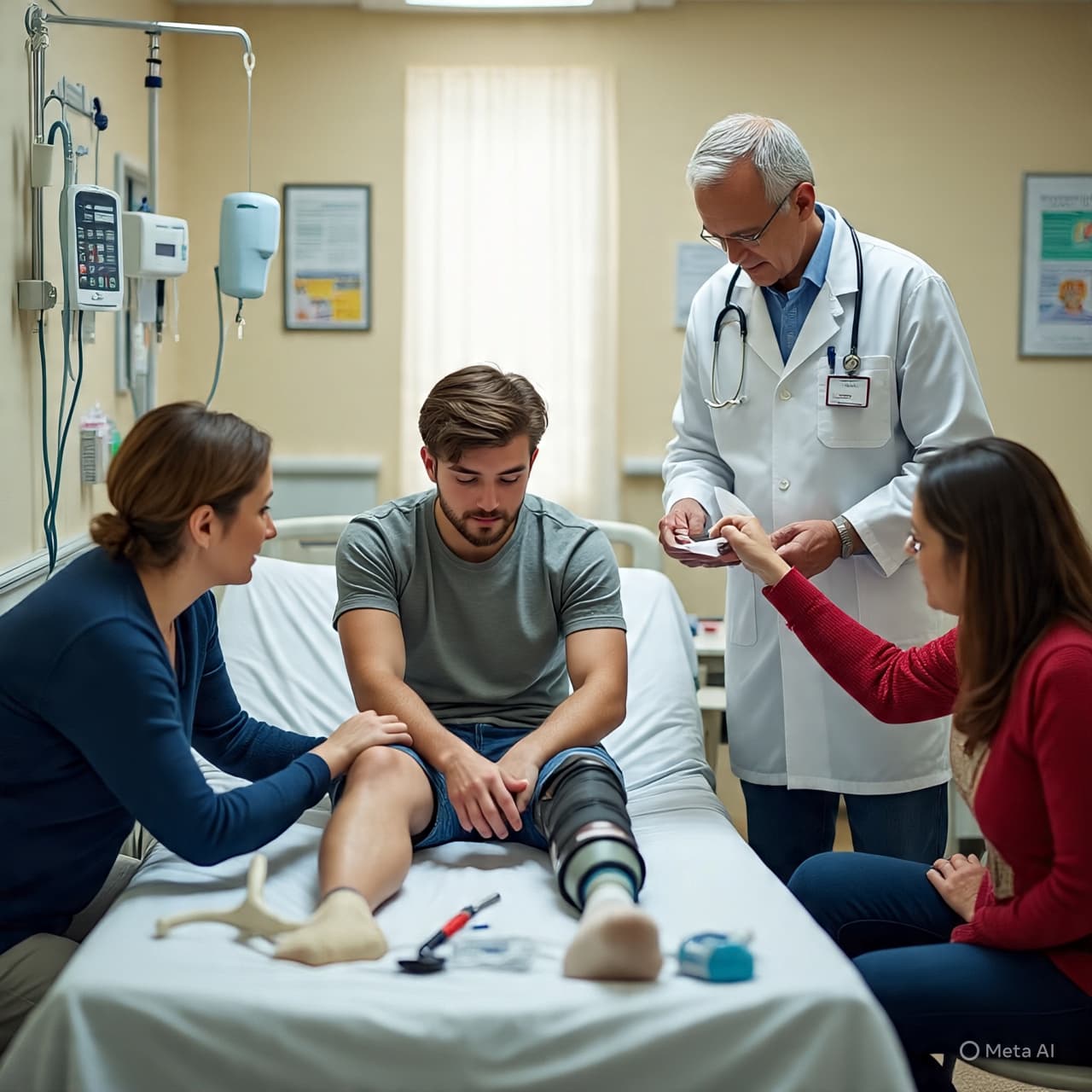
AI Image Disclaimer: Images in this article are AI‑generated illustrations, meant for concept only.
Source Check — Credible Media Coverage Identified:
People Magazine BBC News (reported via Yahoo summary) Times of India (medical warning context) Economic Times (medical warning context) Unilad (reported case background)
نُشر بواسطة Banx Network. هذا المقال جزء من برنامج الوسائط اللامركزية من Banx، مدعومًا برمز BXE على شبكة XRP Ledger.