The night sky often appears steady, with familiar points of light tracing paths that seem well understood. Yet astronomy continues to show that even after decades of observation, the universe can quietly reshape what people believe they know. Every new measurement becomes another reminder that discovery is not always about finding something new—it is sometimes about seeing something familiar more clearly.
Astronomers have determined that the near-Earth object known as 1998 SH2, long classified as an asteroid, is actually an active comet. The conclusion follows a detailed investigation led by researchers at NASA's Jet Propulsion Laboratory after the object's motion failed to match predictions based solely on gravity. The findings were published in Nature Astronomy.
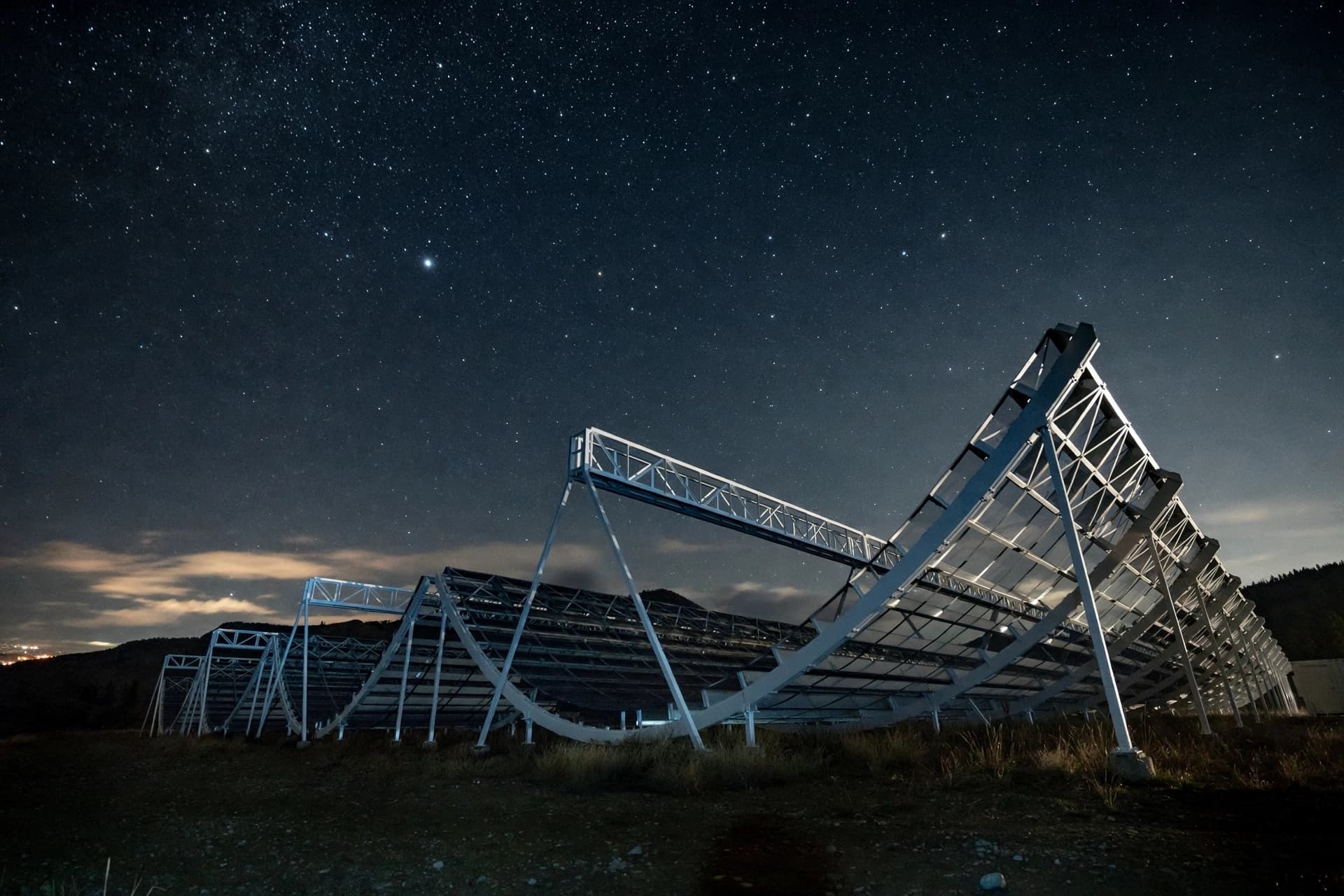
The investigation began during the object's close approach to Earth in August 2025, when scientists attempted to observe it using NASA's Deep Space Network radar system. Despite careful calculations, the object was not where astronomers expected it to be. That discrepancy suggested an additional force was influencing its orbit beyond the gravitational pull of the Sun and planets.
Researchers then relied on optical observations to precisely measure the object's position. Their analysis revealed subtle nongravitational effects consistent with gases escaping from the object's surface—a defining characteristic of comets. Although earlier observations had not detected a visible coma or tail, more powerful telescopes later identified faint cometary activity, confirming its true nature.
The discovery highlights how some celestial bodies can occupy a gray area between traditional classifications. While asteroids are generally rocky and inactive, comets contain volatile ice that vaporizes when warmed by the Sun, producing gas and dust that can slightly alter their trajectories. In the case of 1998 SH2, this activity was weak enough to remain unnoticed for many years.
Scientists say the revised classification improves understanding of near-Earth objects and strengthens planetary defense efforts. Precisely identifying whether an object behaves like an asteroid or a comet allows researchers to model its future orbit more accurately and better understand the diverse population of objects that travel through Earth's neighborhood.
The finding also illustrates how advances in observation technology continue to refine scientific knowledge. Rather than overturning previous work, each new observation builds upon decades of accumulated data, demonstrating that scientific understanding evolves through careful evidence and repeated verification.
The newly identified comet poses no known threat to Earth. Instead, it offers astronomers another opportunity to study the complex behavior of small bodies in the solar system and to improve future tracking of objects that pass near our planet.
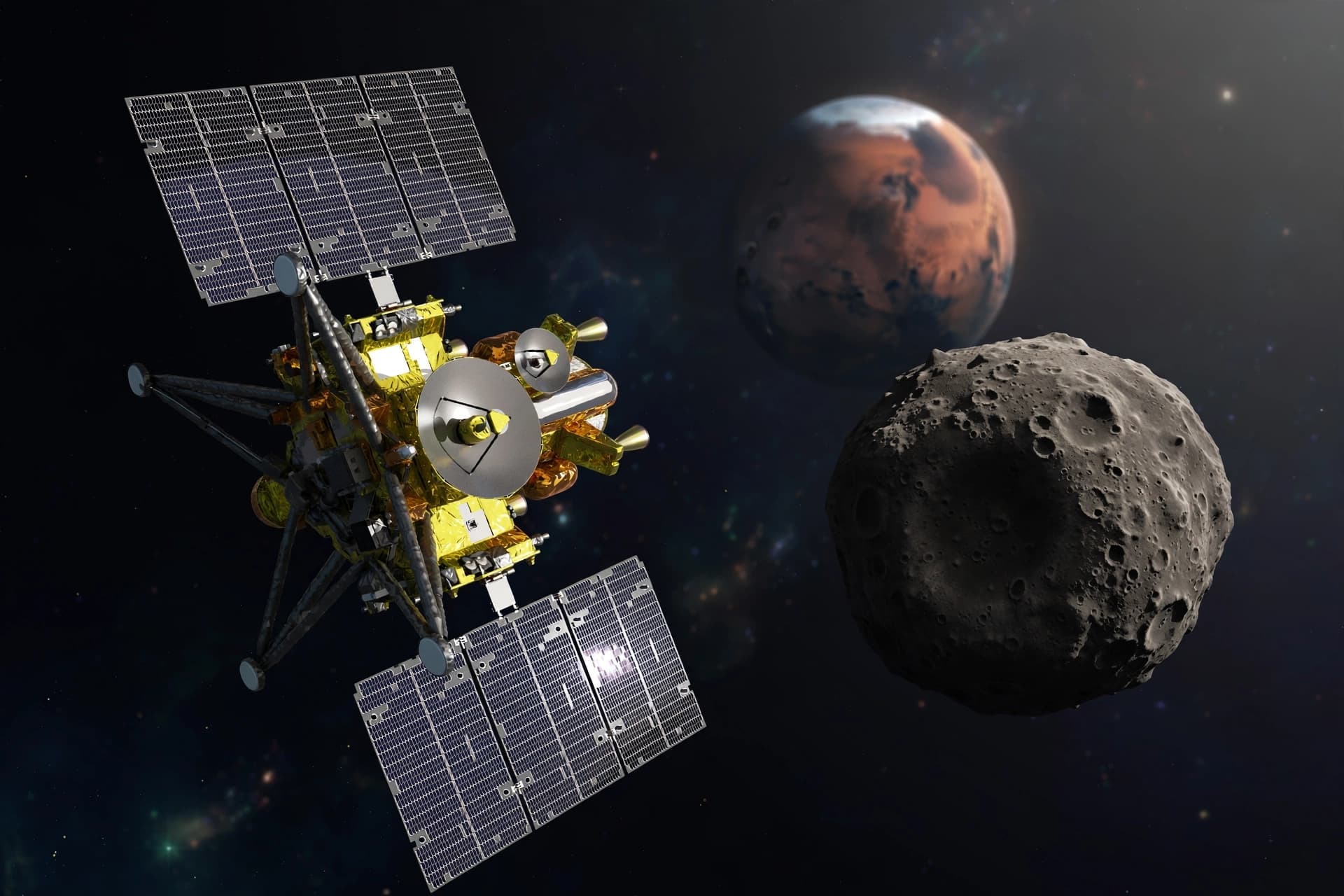
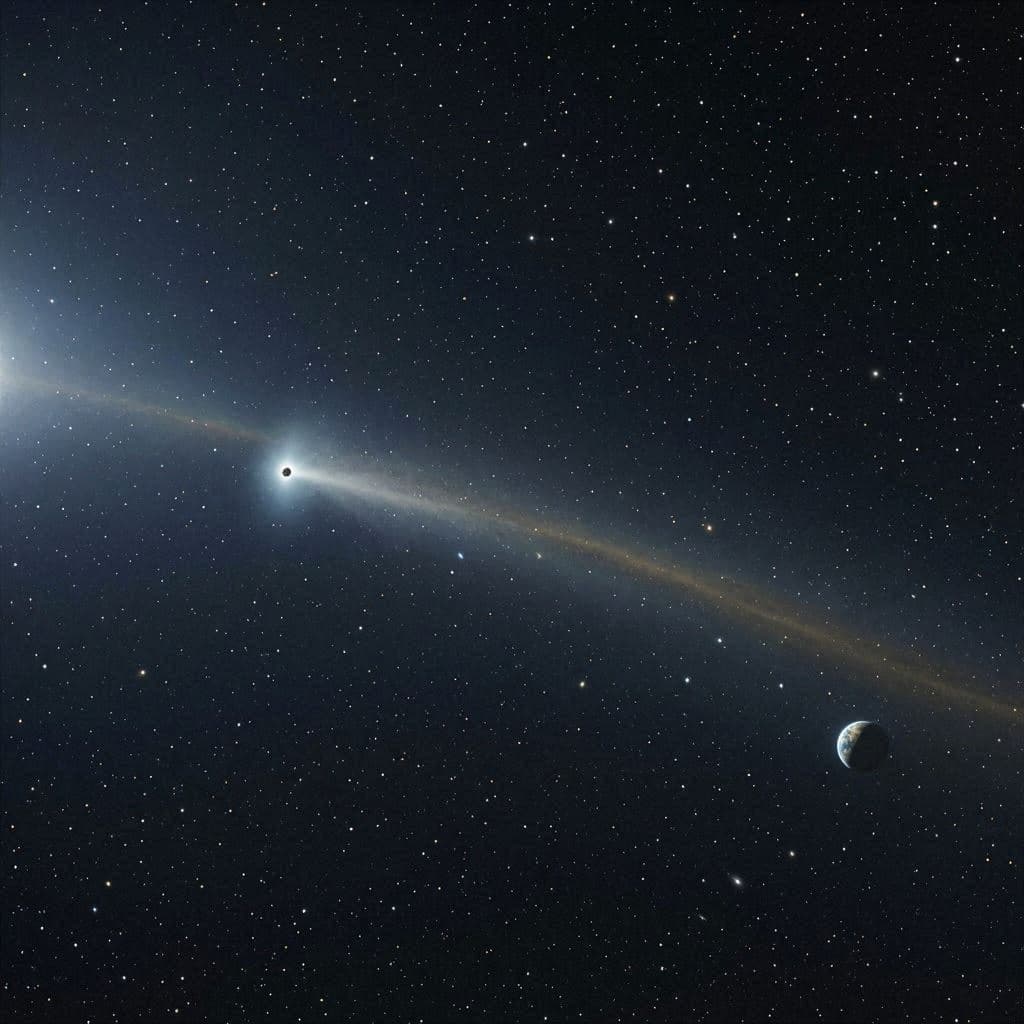
AI Image Disclaimer: The accompanying visuals are AI-generated illustrations created to represent the reported scientific discovery and are not authentic telescope images.
Source Verification Check: Verified
Sources: NASA Jet Propulsion Laboratory (JPL), Nature Astronomy, Popular Science
Published by Banx Network. This article is part of the Banx decentralized media programme, powered by the BXE token on the XRP Ledger.