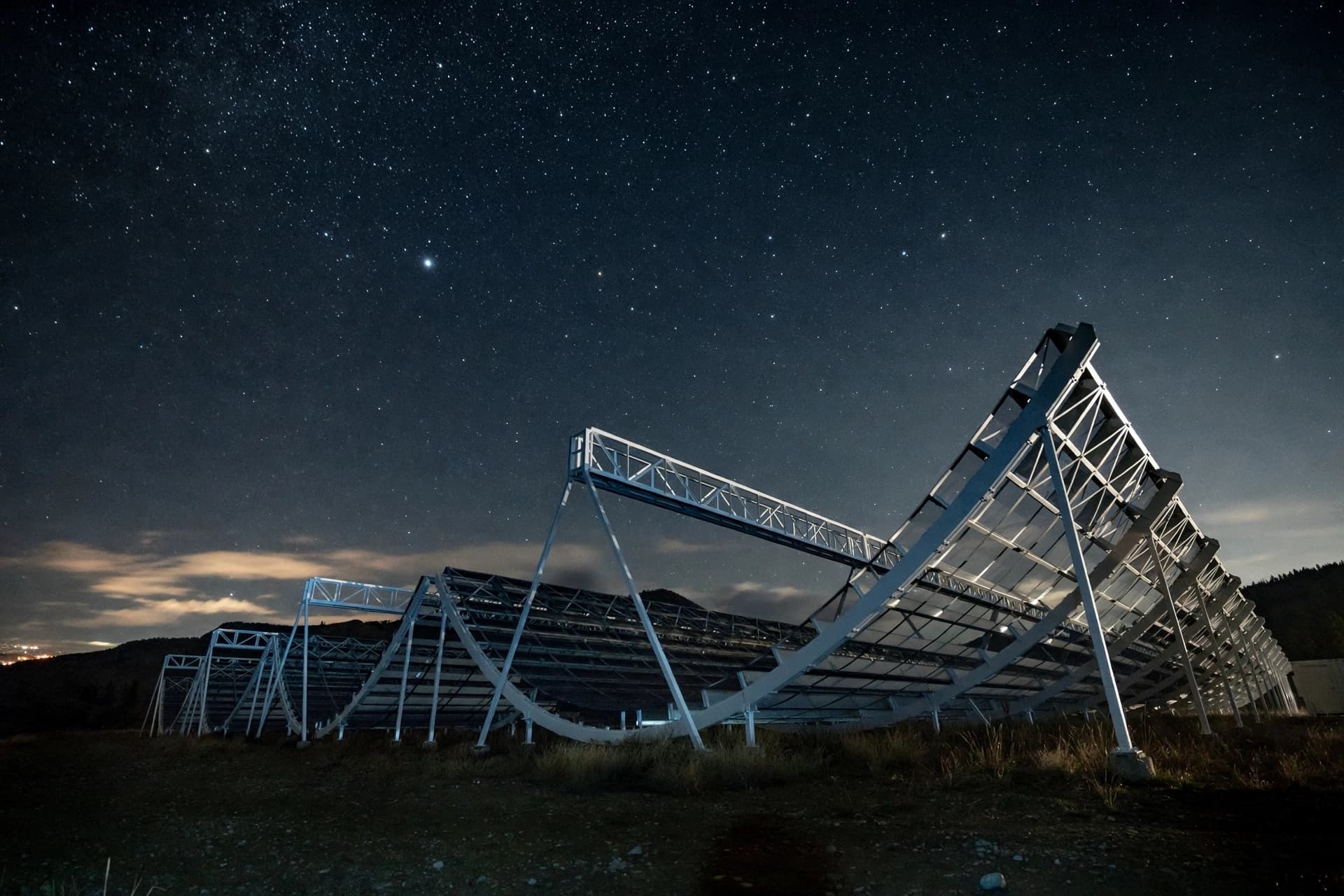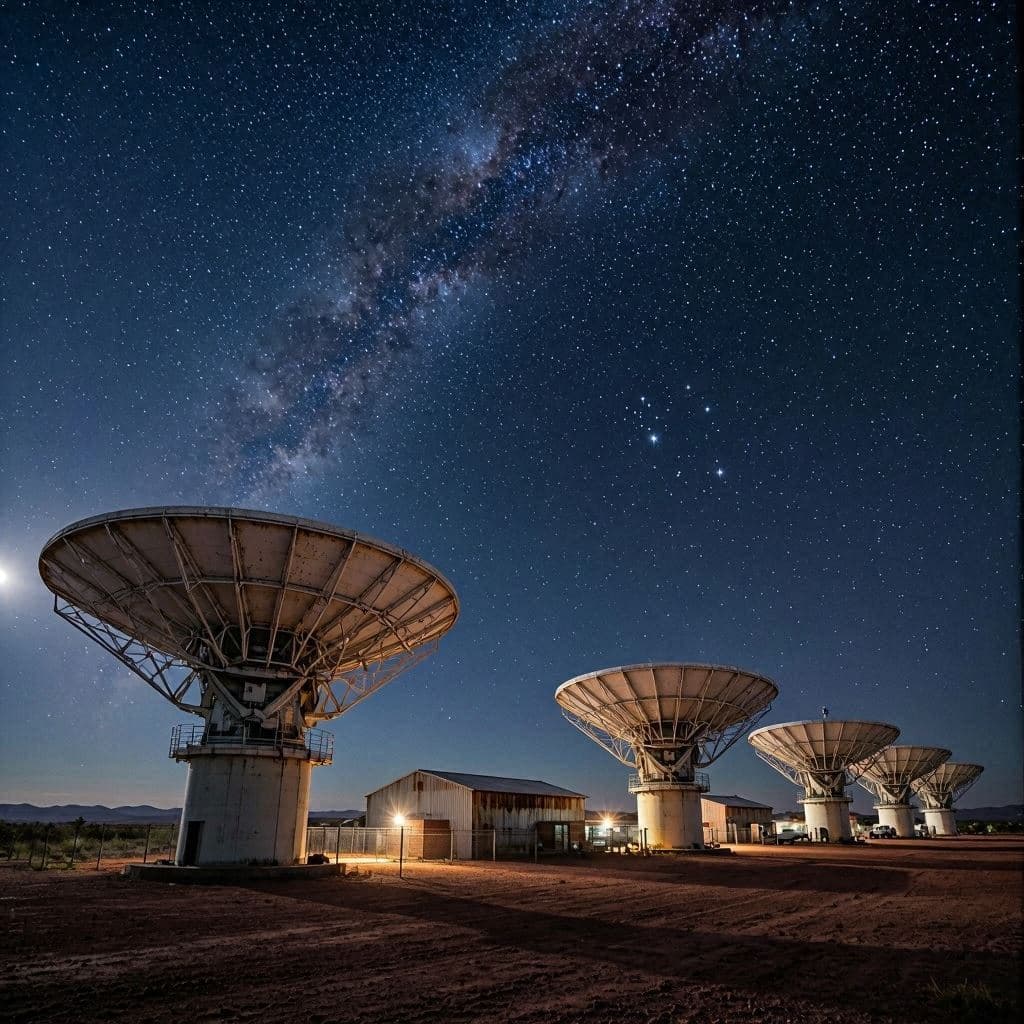
Opening: In the global pursuit of space exploration, progress is rarely the work of a single nation. Instead, it emerges from networks of collaboration that span continents, connecting observatories, data centers, and research institutions.
Body: Australia continues to play a significant role in international space research, particularly in supporting tracking and communication systems used in missions operated by agencies such as NASA. Its geographic location provides a strategic advantage for monitoring deep space signals.
Ground stations in Australia are part of global networks that assist in receiving telemetry data from spacecraft exploring the Moon, Mars, and beyond. These systems ensure continuous communication even when other regions of the Earth are out of range.
Research institutions in Australia also contribute to astronomical studies, analyzing data from telescopes that observe distant galaxies, cosmic radiation, and planetary systems.
This collaboration reflects the increasingly interconnected nature of modern space exploration, where data sharing and distributed infrastructure are essential for mission success.
Scientists emphasize that such partnerships not only enhance technical capabilities but also strengthen global scientific understanding of the universe.
In addition, Australian universities and agencies are involved in developing new technologies for future space missions, including advanced sensors and communication systems.
Closing: As space exploration advances, Australia’s role in supporting global missions continues to highlight the importance of international cooperation in science.
AI Image Disclaimer: Some visuals in this article may be AI-generated for editorial illustration purposes.
Source Verification Check: NASA, CSIRO, ABC News Science, European Space Agency, Reuters Science Desk
Published by Banx Network. This article is part of the Banx decentralized media programme, powered by the BXE token on the XRP Ledger.