

Key Highlights
- Current Ebola outbreak in the DRC may have started in January.
- Health authorities are conducting surveillance and contact tracing.
- Geographic challenges complicate outbreak response efforts.
The emergence of infectious diseases often unfolds quietly, especially in regions where health systems are fragile and intertwined with daily survival. The Democratic Republic of the Congo (DRC), a nation with a long history of battling Ebola outbreaks, is currently under heightened scrutiny as it grapples with a new outbreak of the virus. The World Health Organization (WHO) has indicated that the current outbreak may have begun as early as January, suggesting that the virus could have been circulating for several months before it was officially recognized.
Ebola virus disease is a severe and often fatal illness that spreads through direct contact with the bodily fluids of infected individuals or contaminated materials. Early detection and a rapid response are crucial in limiting the spread of the virus, particularly in remote and resource-limited areas like those found in the DRC. The WHO has stressed that timely intervention can significantly reduce the number of cases and fatalities associated with the disease.
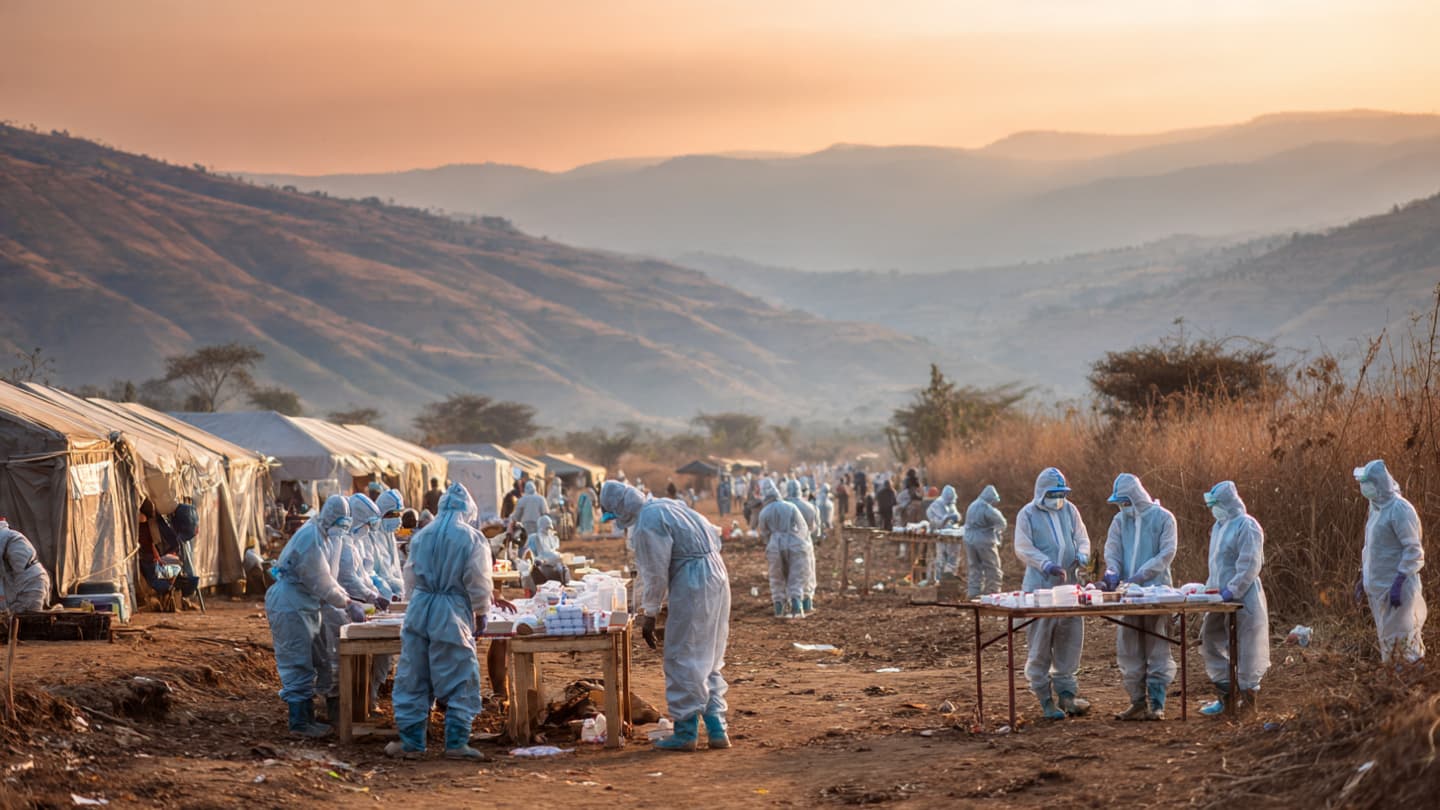
In response to the outbreak, health authorities in the DRC are collaborating with international partners to conduct extensive surveillance, contact tracing, and medical response operations. These efforts are vital for identifying chains of transmission and isolating confirmed cases to prevent further spread of the virus. The DRC's health system, while experienced in handling Ebola, faces unique challenges that complicate these efforts.
The geography of the DRC presents significant obstacles to effective outbreak management. Limited transportation infrastructure and the presence of dispersed rural communities can hinder timely reporting and access to medical care during outbreaks. These factors can delay the recognition of new cases and the implementation of necessary public health measures.
The WHO has highlighted the importance of sustained monitoring and coordination with local health teams. Drawing on lessons learned from previous outbreaks, current response strategies emphasize community engagement and the rapid deployment of diagnostic tools. This approach aims to empower local health workers and ensure that communities are informed and involved in the response efforts.
As investigations into the outbreak continue, health officials are focused on refining their understanding of how and where the outbreak originated. This knowledge is crucial for preventing future transmission cycles and ensuring that the health system is better prepared for similar challenges in the future. The situation remains fluid, with public health teams actively working to contain the outbreak and provide treatment to those affected.
The international community is closely monitoring the situation, and as the DRC navigates this latest challenge, the importance of global cooperation in public health cannot be overstated. The ongoing efforts to combat the Ebola outbreak serve as a reminder of the complexities involved in managing infectious diseases, particularly in regions where health resources are limited.
Published by Banx Network. This article is part of the Banx decentralized media programme, powered by the BXE token on the XRP Ledger.




