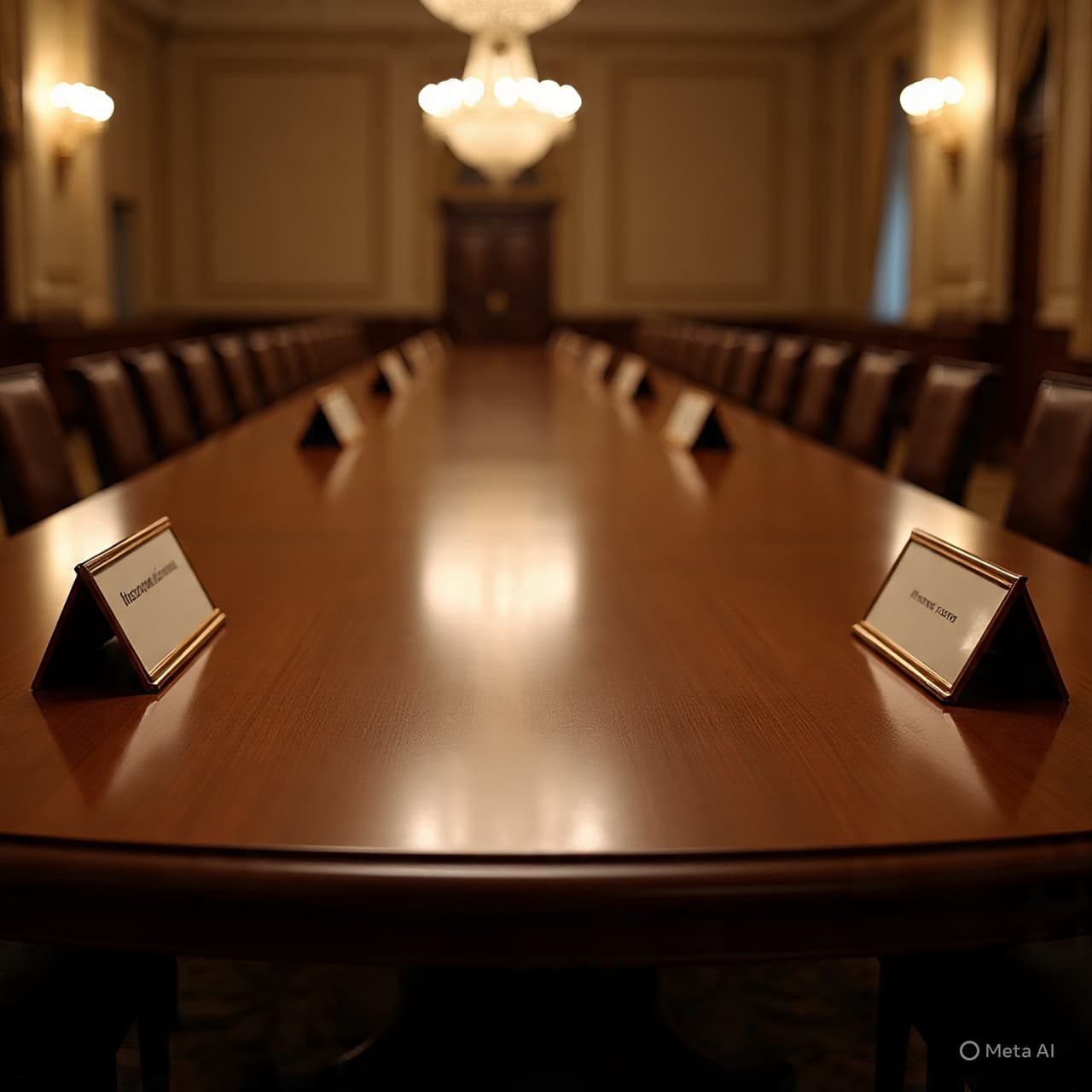
Sometimes diplomacy ends not with a walkout, not with a shouted word, not with a dramatic closing of doors — but with the simple acknowledgment that nothing is moving.
Pakistan’s defense minister told Geo News that the Istanbul talks with Afghanistan have collapsed. The phrase is blunt. It carries no ornament. It suggests a situation where the two countries can’t even define the same frame, let alone the same outcome.
In the post-2021 era, Afghanistan has become a diplomatic riddle for every capital around it. Border security, militant transit, cross-territory safe havens, trade routes, recognition questions — each file is heavy enough to break a meeting by itself. Put them together, and the odds of convergence shrink.
So what does “collapsed” mean here? It means there is no shared vocabulary yet. It means even the venue — Istanbul — could not neutralize the mistrust.
Both sides know that the status quo is not sustainable. Pakistan’s security calculus is shifting. Afghanistan’s internal governance reality is rigid. The region doesn’t have an architecture that can absorb this friction; everything is bilateral improvisation.
This is what diplomacy in the 2020s looks like in contested corridors: not grand bargains — but failed atmospheres.
And every collapse, however procedural, still has a human cost somewhere down the chain: trade that doesn’t flow, families that can’t cross, night raids that continue, and a frontier that remains a frontier.
Talks dying is not the same as talks ending. But it is an admission that the next conversation will not begin soon.
Published by Banx Network. This article is part of the Banx decentralized media programme, powered by the BXE token on the XRP Ledger.