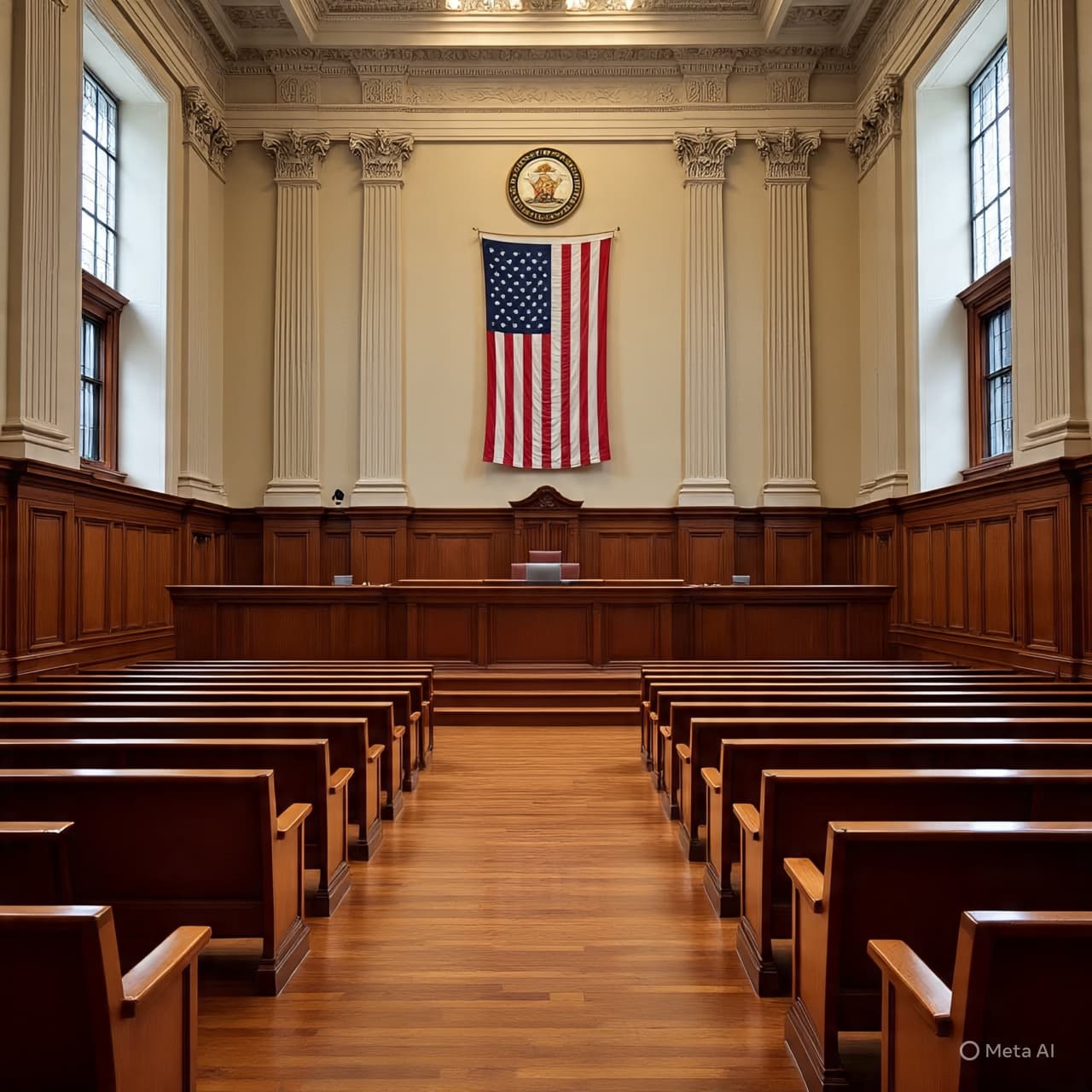
On a quiet winter morning in a federal courtroom in St. Paul, Minnesota, voices rose in a way that few expected. The smell of spent coffee lingered on the wooden benches, and the judge’s gavel seemed to echo against walls that have long witnessed the struggle between law and the lived experience of those caught within it. In that room, a government lawyer — weary from days without rest — offered words that resonated beyond legalese: “This job sucks.” It was a confession more than a complaint, a human sigh amid the machinery of justice.
Julie Le, an attorney detailed from the Department of Homeland Security, found herself in an unusual moment of candor before U.S. District Judge Jerry Blackwell. The occasion was not a ceremonial hearing but a pressing question of judicial authority and accountability: why had Immigration and Customs Enforcement repeatedly failed to comply with judicial orders to release individuals ordered freed from detention? What should have been a routine affirmation of constitutional principles transformed into a profound encounter with administration, exhaustion, and institutional strain.
Le’s words — simple, stark — were born of an overloaded docket and a system that has been described by many observers as overwhelmed. Assigned to dozens of habeas corpus cases in recent weeks, she conveyed not just frustration with procedural complexity but a deep sense of personal strain. “The system sucks,” she said, adding that there was no magic button to make the process smoother and that she had been given little guidance or support in her temporary role.
What was remarkable was not only the bluntness of her language, but how it reflected tensions between the judiciary’s demands and the federal government’s capacity to meet them. Judge Blackwell reminded the courtroom that a court order “is not advisory, and it is not conditional,” underscoring that compliance with judicial mandates is foundational to the rule of law.
The broader backdrop is one of extraordinary pressure. Federal prosecutors in Minnesota have resigned, overwhelmed by an influx of legal challenges tied to the largest surge of immigration enforcement the state has seen in years. ICE’s “Operation Metro Surge,” which has led to widespread detentions and numerous habeas petitions, has strained the Justice Department and DHS legal teams alike.
Le told the court she had even considered resigning from the temporary assignment, but stayed because no replacement could be found. Her emotional honesty opened a window into the human side of bureaucratic stress: long nights, a lack of training, and constant effort to keep pace with court deadlines. In a moment usually reserved for legal precision and careful phrasing, her words were raw and deeply human.
It is worth noting that Le’s remarks have triggered consequences. The Justice Department and the U.S. Attorney’s Office in Minnesota removed her from the detail shortly after the hearing, a decision that underscores how extraordinary such candid courtroom moments can be.
Judge Blackwell acknowledged the strain but made clear that the burden of work does not diminish the obligation to uphold constitutional rights, especially in cases where individuals have been found to be lawfully present yet remain detained past the point of release orders.
The courtroom exchange refracted larger questions about how government institutions handle emergencies, backlogs, and human fatigue. When officials tasked with upholding the law articulate their challenges so plainly, it invites reflection on the systems that shape both policy and practice.
In straightforward terms, the hearing highlighted persistent challenges within the federal immigration legal apparatus: a flood of habeas petitions, repeated court orders for release that have not been timely followed, and personnel stretched thin by one of the most intense periods of enforcement activity in recent memory. Legal experts and advocates continue to watch closely as courts and the government navigate how best to align enforcement practices with constitutional requirements.
AI Image Disclaimer (Rotated Wording) Illustrations were produced with AI and serve as conceptual depictions.
Sources (news media names only):
• ABC News
• Reuters
• The Guardian
• AP News
• Bloomberg Law
Published by Banx Network. This article is part of the Banx decentralized media programme, powered by the BXE token on the XRP Ledger.