
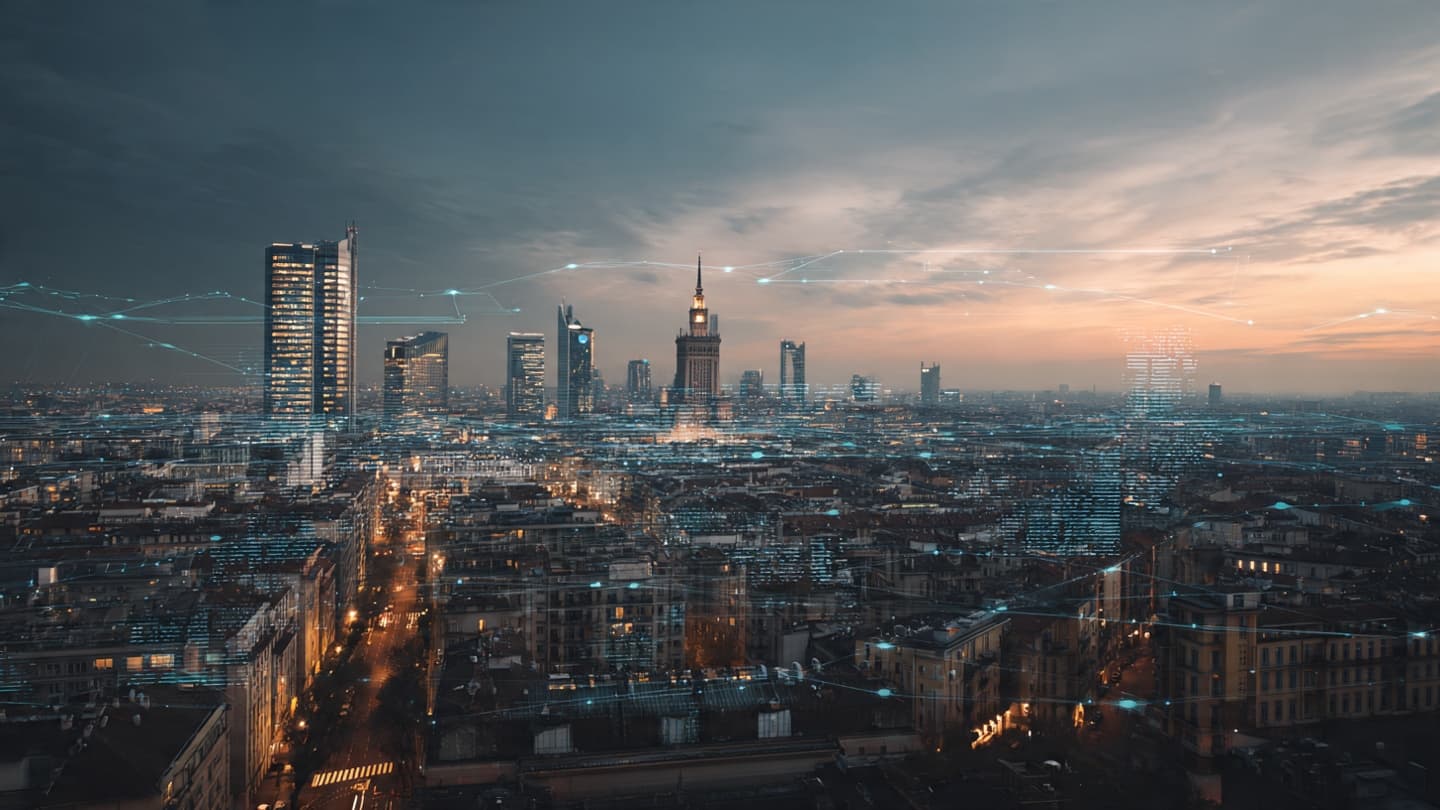
There are moments in history when societies begin to notice subtle changes in atmosphere before they fully understand their meaning. Streets remain busy, cafés still glow warmly at night, trains continue crossing borders on schedule—yet beneath ordinary routines, a quieter awareness slowly develops. Across Europe today, that feeling of cautious attention appears to be spreading through governments, institutions, and citizens alike.
Recent discussions among European leaders and analysts have reflected growing concerns surrounding regional security. While Europe remains one of the world’s most interconnected and economically developed regions, a combination of technological disruption, cyber threats, economic instability, and geopolitical uncertainty has encouraged many nations to reconsider how resilience should be defined in the modern era.
Security itself has evolved beyond traditional military language. In previous generations, the concept often focused primarily on borders, armies, and visible conflicts. Today, however, governments increasingly speak about cybersecurity, infrastructure protection, energy stability, supply chains, and digital information systems. Modern vulnerabilities are frequently invisible until disruption suddenly exposes them.
Cybersecurity has become one of the region’s most pressing concerns. Financial institutions, hospitals, transportation networks, and communication systems now depend heavily on digital infrastructure. Experts warn that even minor cyber incidents can create widespread economic and social disruption if critical systems become compromised. As dependence on technology deepens, so too does awareness of digital fragility.
Energy security also remains central to European conversations. Recent years demonstrated how vulnerable international markets can become when supply chains face instability. Governments across Europe have accelerated efforts to diversify energy sources, expand renewable infrastructure, and reduce dependence on unpredictable external factors. These adjustments are not merely economic decisions, but strategic ones shaping long-term stability.
At the same time, migration pressures, disinformation campaigns, and artificial intelligence have introduced additional layers of complexity to public policy discussions. European officials increasingly acknowledge that modern security challenges rarely exist in isolation. Economic uncertainty can influence social cohesion, while digital misinformation may intensify public distrust during periods of instability.
Yet Europe’s response has generally remained measured rather than alarmist. Many leaders emphasize cooperation, institutional coordination, and gradual adaptation over dramatic rhetoric. The European Union itself was built partly from the desire to prevent fragmentation through shared economic and political structures. In moments of uncertainty, that cooperative philosophy continues shaping policy discussions.
Public sentiment across the continent reflects a similar duality. Many citizens remain optimistic about Europe’s long-term resilience while simultaneously expressing concern regarding inflation, technological disruption, and global instability. The result is not panic, but a growing desire for preparedness and institutional reliability within increasingly unpredictable conditions.
Analysts note that Europe’s security conversations also reveal a deeper transformation regarding how societies understand risk. In highly interconnected systems, distant events can quickly affect local realities. A cyberattack abroad, a disrupted shipping route, or fluctuations in global energy prices may influence daily life far beyond national borders. Security therefore becomes less about isolation and more about adaptability.
For now, Europe continues moving forward through familiar routines beneath unfamiliar pressures. Trains still arrive, markets still open, and cities still pulse with ordinary life. Yet behind those rhythms lies a continent quietly reevaluating how stability can be protected in an era where uncertainty often travels faster than certainty itself.
AI IMAGE DISCLAIMER: Illustrations were produced with AI and serve as conceptual depictions.
SOURCES CHECK: Reuters BBC Financial Times The Economist Euronews
Note: This article was published on BanxChange.com and is powered by the BXE Token on the XRP Ledger. For the latest articles and news, please visit BanxChange.com