There are nights when history seems to move all at once — through radar screens, emergency alerts, and the distant glow of explosions cutting across darkened skies. In moments like these, diplomacy feels fragile, suspended between one decision and the next, while entire regions wait anxiously to see whether confrontation will stop or continue gathering force.
Iran’s military announced that it targeted a U.S. base in retaliation for recent American strikes, marking another sharp escalation in an already volatile conflict that has unsettled much of the Middle East. The reported attack has intensified fears that the fragile balance between deterrence and wider war may once again be slipping toward dangerous uncertainty.
According to Iranian statements carried by state-linked media and confirmed through multiple international reports, the strike was presented as a direct response to earlier U.S. military actions connected to the ongoing regional confrontation. Iranian officials described the operation as a measured act of retaliation, while emphasizing their broader message of resistance against what they characterize as external aggression.
American officials, meanwhile, moved quickly to assess the situation, including evaluating potential damage, casualties, and the scale of the attack. Initial reports suggested defensive systems at or near the targeted base may have been activated during the incident, though details surrounding the full impact remained fluid as information continued emerging from the region.
For the Middle East, the exchange represents more than another isolated military event. It reflects the deep and enduring tensions that have shaped relations between Washington and Tehran for decades — tensions rooted in sanctions, proxy conflicts, regional competition, nuclear disputes, and cycles of retaliation stretching across generations.
The latest developments also arrive during an already unstable period across the region. Conflicts involving Gaza, Lebanon, maritime security, and Gulf tensions have collectively created an atmosphere where even limited military actions risk triggering broader consequences. Analysts warn that repeated retaliatory strikes increase the danger of miscalculation, particularly when multiple regional actors remain involved simultaneously.
Yet modern warfare rarely unfolds solely through dramatic declarations. Increasingly, confrontations are shaped through calibrated signaling — missile launches intended to demonstrate resolve, defensive interceptions meant to project control, and carefully worded public statements aimed as much at domestic audiences as foreign governments. Each move becomes part of a larger psychological and geopolitical contest.
For civilians living across the Gulf and surrounding regions, however, such distinctions may offer little comfort. The possibility of escalation influences everyday life in quieter ways: concerns over safety, economic uncertainty, energy prices, travel disruptions, and the persistent fear that regional instability could spread further. In cities far from front lines, people still watch the news with the uneasy awareness that conflicts can expand rapidly.
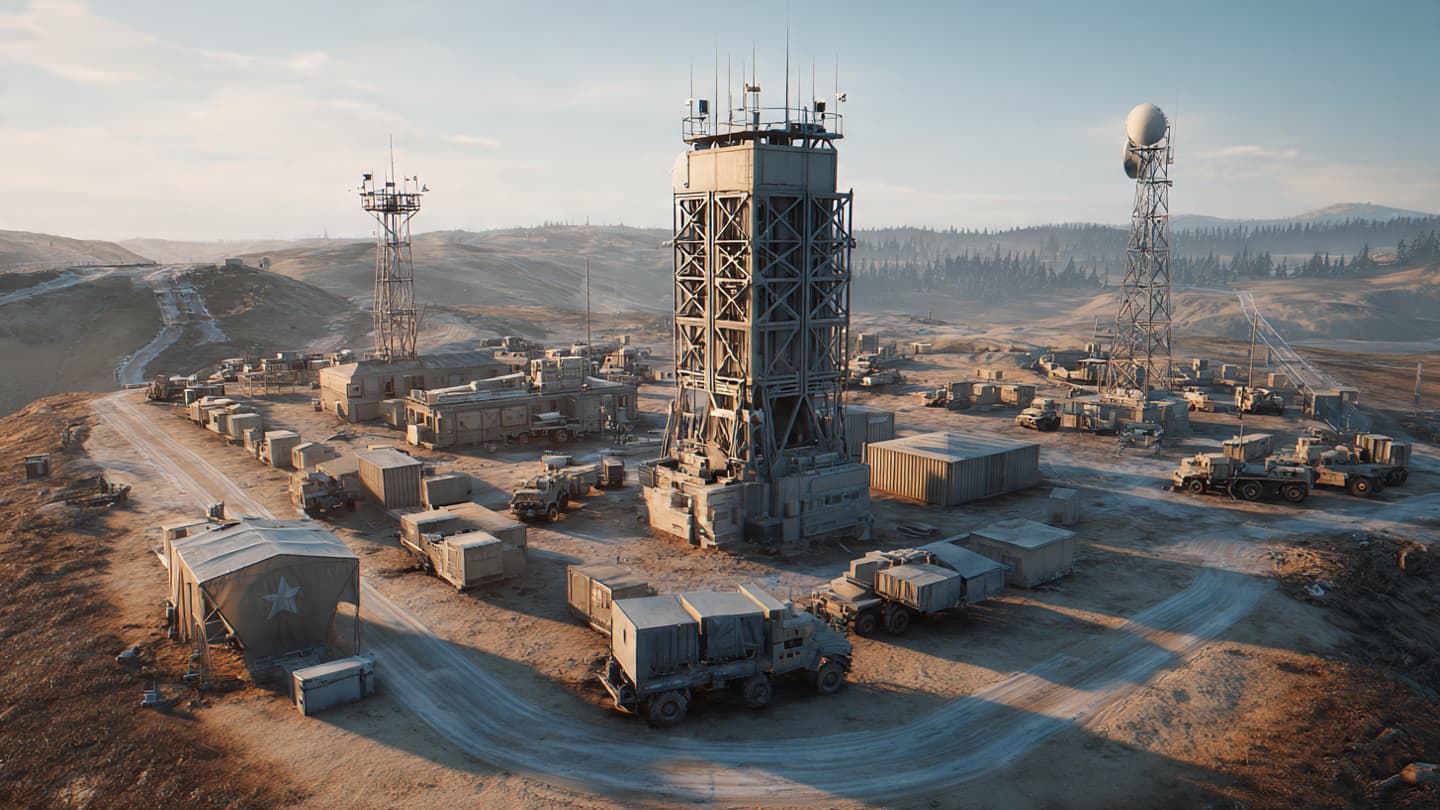
The role of military bases themselves has also become increasingly central in modern geopolitical tensions. American installations across the Middle East serve not only as operational hubs, but also as symbols of strategic presence and influence. As a result, they often become focal points during periods of confrontation involving Iran and allied regional groups.
International leaders and diplomatic mediators have meanwhile intensified calls for restraint. Governments across Europe, the Gulf, and Asia continue urging both Washington and Tehran to avoid steps that could ignite wider conflict. Energy markets and global shipping routes remain especially sensitive to developments in the region, particularly around critical waterways tied to global oil supply.
Still, ceasefires and de-escalation efforts often face their greatest test during moments of retaliation. Each strike creates political pressure for response, while every response risks producing another cycle of escalation. The challenge for leaders on all sides lies in balancing displays of strength against the growing danger of conflict expanding beyond intended limits.
As military assessments and diplomatic consultations continue, both the United States and Iran appear to remain on heightened alert following the latest exchange. Officials are expected to monitor regional security conditions closely while international mediators continue efforts to prevent further escalation. For now, the Middle East once again stands beneath uneasy skies, listening carefully for whether the next sound will be diplomacy — or another strike.
AI Image Disclaimer Images in this article are AI-generated illustrations, meant for concept only.
Reuters Associated Press (AP) BBC News Al Jazeera The New York Times
Published by Banx Network. This article is part of the Banx decentralized media programme, powered by the BXE token on the XRP Ledger.