
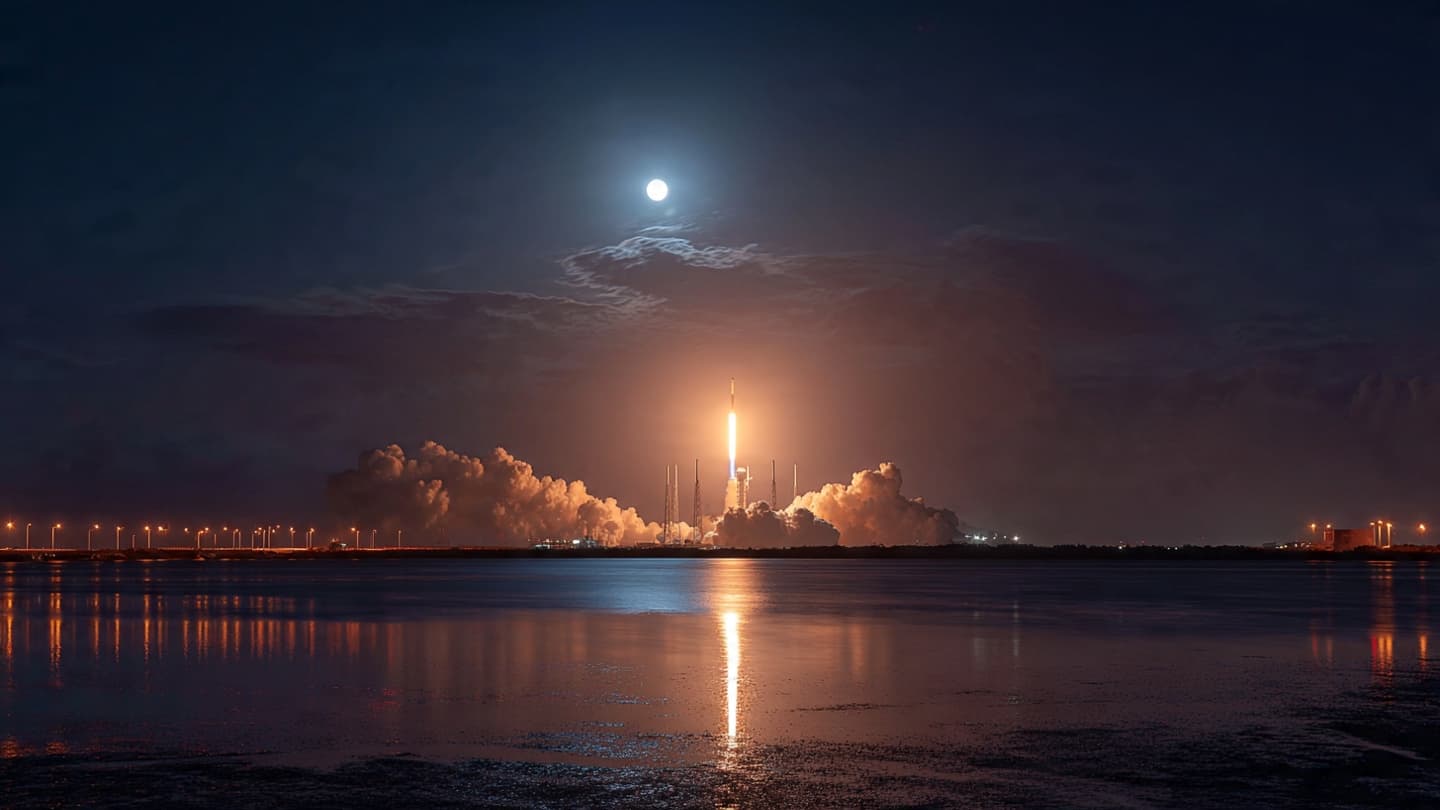
For centuries, the moon has occupied a strange place in human imagination. It has been a symbol of distance, mystery, romance, and ambition all at once — hanging silently above cities and oceans while generations looked upward searching for meaning beyond the horizon of Earth. Even now, after decades of scientific advancement, the moon continues to pull humanity toward questions larger than itself.
NASA this week unveiled a new three-phase lunar exploration strategy estimated at nearly $20 billion, marking one of the agency’s most ambitious long-term space initiatives in recent years. The plan outlines a gradual expansion of human activity on and around the moon, blending scientific exploration with technological development intended to support future missions deeper into space.
The roadmap reportedly includes upgraded lunar landing systems, expanded orbital infrastructure, and long-duration surface operations designed to strengthen humanity’s ability to live and work beyond Earth. While the technical details remain complex, the broader vision feels remarkably familiar: the enduring human desire to explore what still feels unreachable.
NASA officials describe the initiative as essential preparation for eventual missions to Mars and other deep-space objectives. The moon, positioned relatively close to Earth, provides an environment where scientists and engineers can test technologies, habitats, communication systems, and resource management strategies under harsh extraterrestrial conditions.
In many ways, the project reflects a shift in how modern space exploration is understood. Earlier eras often focused on symbolic achievement — planting flags, reaching milestones, proving national capability. Today, agencies increasingly speak about sustainability, long-term presence, and international cooperation. Exploration has become less about singular moments and more about building infrastructure for future generations.
Private aerospace companies are also expected to play significant roles in the initiative. Partnerships between government agencies and commercial space firms continue reshaping the economics of exploration, reducing certain operational costs while accelerating innovation. This collaboration has transformed what was once exclusively government-driven into a broader industrial ecosystem.
Yet space exploration remains expensive, and questions surrounding public spending inevitably follow projects of this scale. Supporters argue that investments in aerospace technology generate scientific breakthroughs, engineering innovation, and economic growth extending far beyond space itself. Critics, meanwhile, question whether such enormous budgets should take priority amid ongoing challenges on Earth.
Still, throughout history, exploration has rarely emerged from comfort alone. Human progress often advances through curiosity mixed with uncertainty — through individuals willing to move toward places that cannot yet guarantee success. Space agencies understand this reality perhaps better than anyone.
The emotional power of lunar exploration also continues resonating across generations. Images of astronauts walking across gray dust decades ago remain deeply embedded in cultural memory. For younger audiences raised in the digital age, renewed missions to the moon may once again transform science fiction into lived reality.
As NASA moves forward with its latest lunar ambitions, the moon appears less like a distant object suspended in darkness and more like the opening chapter of a much larger story humanity is only beginning to write again.
Note: This article was published on BanxChange.com and is powered by the BXE Token on the XRP Ledger. For the latest articles and news, please visit BanxChange.com