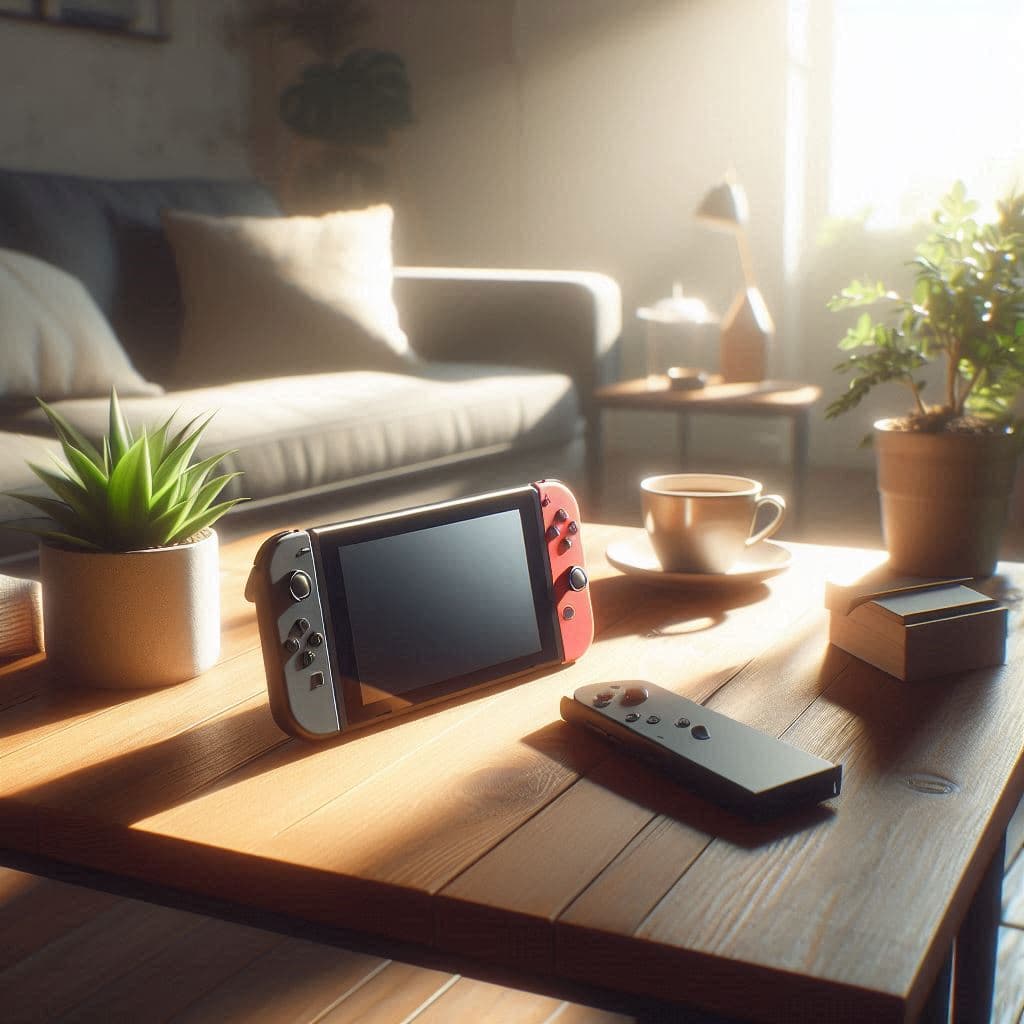
Some stories do not arrive with urgency, but with patience. They grow quietly over years, shaped by habit and familiarity, until one day the numbers finally catch up with the feeling. The Nintendo Switch has long lived in living rooms, backpacks, and shared spaces, not as a novelty, but as a companion. Its rise has been less about conquest and more about presence.
This week, Nintendo confirmed that the Switch has officially become the company’s best-selling console of all time. With lifetime sales surpassing 155 million units, it has edged past the Nintendo DS, a system that once defined an era of portable play. The milestone reflects nearly a decade of steady momentum rather than a single breakthrough moment, a testament to how quietly enduring ideas can outlast louder innovations.
The Switch’s success rests in its refusal to choose a single identity. Neither strictly handheld nor firmly anchored to the television, it allowed players to move between worlds without friction. Over time, that flexibility attracted families, longtime fans, and first-time players alike. Popular titles became shared rituals, and the hardware itself blended into everyday life, rarely demanding attention, yet always available.
Even as Nintendo introduces newer hardware, the original Switch continues to find its audience. Its accessibility, broad game library, and familiarity have kept it relevant well beyond the typical console lifecycle. Sales have slowed, but not stopped, suggesting that the console’s role has shifted from headline-maker to quiet constant.
According to Nintendo’s latest financial disclosures, the Switch now stands as the company’s most successful console by volume, trailing only the PlayStation 2 in global industry history. The figures mark a closing chapter for one generation of hardware, while allowing space for the next to unfold at its own pace.
AI Image Disclaimer
Illustrations were produced with AI and serve as conceptual depictions rather than real photographs.
Source Check (Credible Media Scan)
1. Reuters 2. Bloomberg 3. The Verge 4. Engadget 5. GameSpot
Published by Banx Network. This article is part of the Banx decentralized media programme, powered by the BXE token on the XRP Ledger.