
Key Highlights
- Community Impact:The aftermath of a tragic fire reshapes lives and routines.
- Recovery Efforts:Authorities are overseeing repairs and safety inspections.
- Emotional Landscape:Survivors navigate complex feelings of loss and resilience.
In the wake of a devastating residential fire, a city finds itself in a period of reflection and recovery. Months after the flames were extinguished, the physical and emotional scars remain, shaping the lives of those affected. The immediate destruction has transitioned into a more complex narrative of rebuilding, memory, and community resilience.
For many residents, the fire's impact did not end with the containment of the blaze. Displacement has altered daily routines, forcing individuals into temporary shelters and alternative living arrangements. This disruption has created a prolonged sense of uncertainty, as the community grapples with the changes brought about by the tragedy.
Local authorities have been proactive in addressing the aftermath, focusing on structural repairs and safety inspections to ensure the affected buildings can be reopened. These systematic efforts aim to restore not only the physical environment but also a sense of normalcy and stability for the residents. However, the emotional recovery is a different journey, often taking longer than the physical repairs.
The surrounding community has also played a crucial role in this recovery process. Neighbors, once isolated by circumstance, have found new connections through shared experiences and mutual support. This collective resilience is evident in the way community members come together, offering assistance and understanding to one another as they navigate the aftermath of the fire.
The emotional landscape for survivors is intricate and multifaceted. Many individuals find themselves balancing the desire to return to familiar spaces with the haunting memories of the tragedy. Locations that once felt safe may now evoke feelings of loss and anxiety, complicating the process of moving forward. Support services have emerged as vital resources, providing counseling and assistance to help individuals cope with their experiences and facilitate their transitions back to normalcy.
As discussions about safety and prevention continue, investigations into the fire's cause and reviews of building codes are underway. These efforts are critical for a city that seeks to learn from past mistakes and prevent future tragedies. While these technical processes may seem distant from the emotional recovery, they are essential for ensuring the community's long-term safety and well-being.
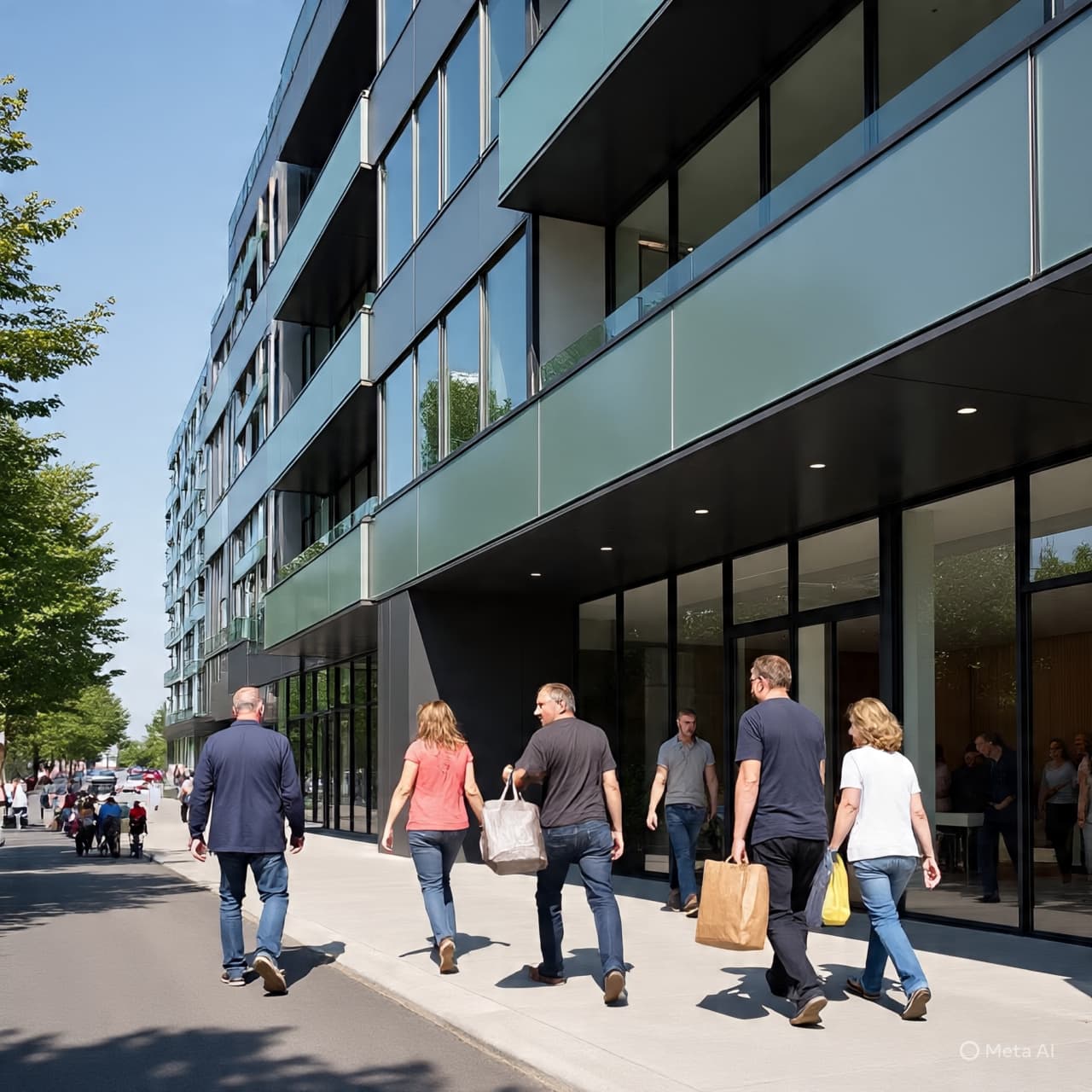
As time progresses, signs of normalcy begin to reemerge. Shops reopen, routines resume, and the rhythm of life gradually returns. Yet, the memory of the fire remains woven into the fabric of the community, influencing how residents approach the future. Officials have indicated that recovery efforts will persist, focusing on both infrastructure and the emotional well-being of the community.
In the quiet spaces where the fire once left its mark, life continues to evolve. The community is not unchanged but is adapting, carrying forward both the memory of what was lost and the hope for what lies ahead. This ongoing process of recovery reflects the resilience of a city that, despite its challenges, remains committed to rebuilding and moving forward together.
Published by Banx Network. This article is part of the Banx decentralized media programme, powered by the BXE token on the XRP Ledger.



