
Key Highlights
- Smart Nation Initiative:Singapore is advancing its urban technology integration.
- Transportation Focus:Intelligent traffic systems and autonomous vehicles are being developed.
- Public Housing Transformation:Smart home technologies enhance energy efficiency and security.
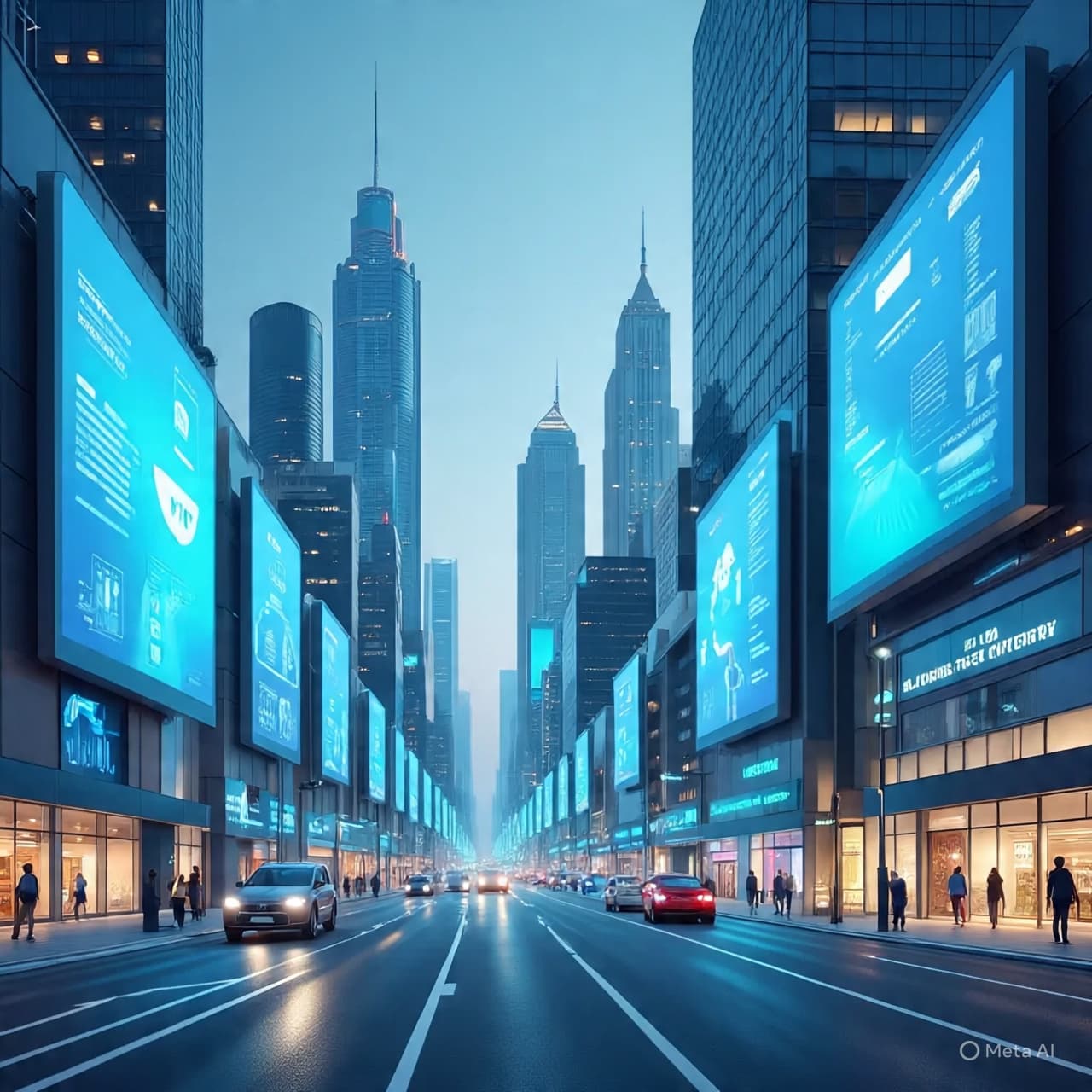
Singapore is increasingly being recognized as a model for smart city development, with its Smart Nation initiative at the forefront of this transformation. The concept of a city as a living system is becoming more tangible as the government intensifies efforts to integrate technology into various aspects of urban life. This initiative reflects a vision where technology acts as a silent architect, shaping the daily experiences of residents and enhancing the overall quality of life.
Recent advancements in urban technology have led to the deployment of smart sensors, data analytics platforms, and Internet of Things (IoT) devices across the city. These innovations are designed to improve efficiency and sustainability, allowing for real-time monitoring and predictive management of urban challenges. For instance, the integration of smart sensors in public spaces enables the city to respond dynamically to changes in traffic patterns and environmental conditions.
Transportation remains a critical area of focus within the Smart Nation framework. Singapore is actively expanding its intelligent traffic management systems, which utilize data to optimize traffic flow and reduce congestion. Additionally, the exploration of autonomous vehicle integration is underway, aiming to enhance safety and streamline travel across the island. These initiatives not only address immediate transportation challenges but also contribute to long-term sustainability goals by reducing carbon emissions and promoting public transport usage.
Public housing is undergoing a significant transformation as well. The introduction of smart home technologies in residential developments allows residents to monitor energy consumption, control appliances remotely, and enhance security features. These advancements align with Singapore's broader sustainability objectives, ensuring that urban living is both efficient and environmentally friendly.
To support these innovations, Singapore is strengthening its digital infrastructure. The expansion of high-speed connectivity, including nationwide 5G networks, ensures that data flows seamlessly between devices, systems, and users. This robust digital backbone is essential for the successful implementation of smart technologies and services, enabling a more interconnected urban environment.
Another critical aspect of Singapore's Smart Nation initiative is the development of cyber-physical integration. The city is investing in digital twins—virtual replicas of physical environments—that allow urban planners to simulate various scenarios and optimize urban design. This technology not only aids in long-term planning but also enhances disaster preparedness, ensuring that the city can respond effectively to emergencies.
Collaboration between public agencies and private sector companies is driving progress in Singapore's smart city development. Technology firms are partnering with government bodies to create tailored solutions that address the unique challenges of Singapore's urban landscape. This collaborative approach fosters innovation and ensures that the solutions implemented are practical and effective.
Inclusivity is a core principle of the Smart Nation initiative. Efforts are being made to ensure that digital services are accessible to all citizens, including the elderly and those less familiar with technology. Training programs and user-friendly platforms are being developed to empower all residents to engage with the digital landscape, ensuring that no one is left behind in this technological evolution.
As Singapore continues to advance its Smart Nation vision, the city is evolving into a responsive and adaptive system. This transformation highlights the potential for technology to harmonize with urban life rather than dominate it, creating a more sustainable and livable environment for future generations.
Published by Banx Network. This article is part of the Banx decentralized media programme, powered by the BXE token on the XRP Ledger.



