
Key Highlights
- Paris is increasingly recognized as a global hub for international conferences.
- The city's infrastructure supports large-scale events, enhancing its appeal.
- Business tourism significantly contributes to local economies through conferences.
Paris, a city renowned for its rich history and cultural significance, is evolving into a pivotal center for international dialogue and collaboration. As the world becomes more interconnected, cities like Paris are stepping up to host a multitude of international conferences, which serve as platforms for exchanging ideas and fostering partnerships across various sectors. This transformation is not just a trend; it reflects the growing necessity for global dialogue in shaping modern industries and economies.
The role of international conferences in Paris cannot be overstated. These events attract leaders, experts, and professionals from diverse fields, creating opportunities for networking and collaboration. The exchange of ideas during these gatherings can lead to innovative strategies that influence global markets and drive economic growth. As such, Paris is not merely a backdrop for these events; it is an active participant in the global conversation.
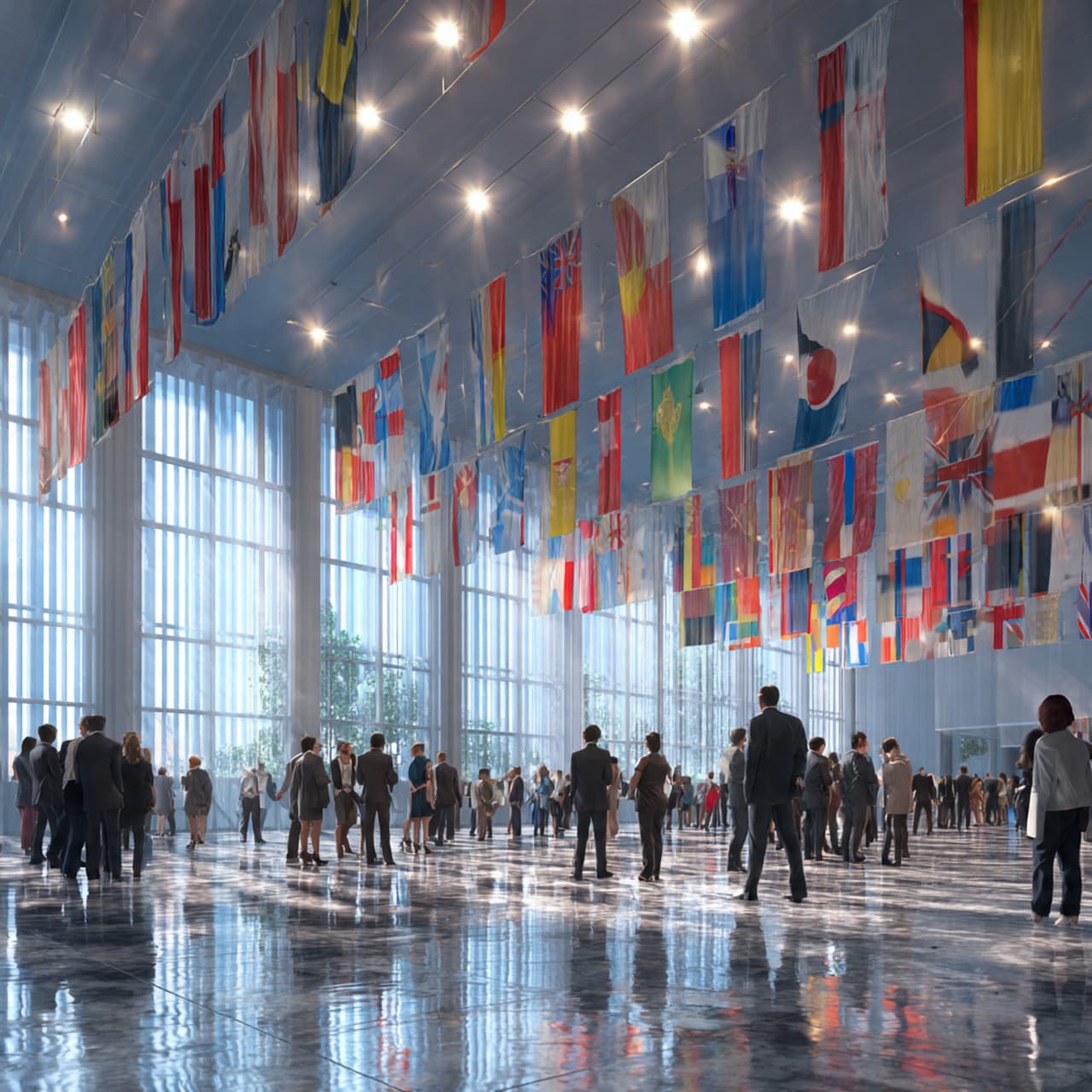
One of the key factors contributing to Paris's success as a conference destination is its robust infrastructure. The city boasts modern convention centers, efficient transport systems, and a wide range of hospitality services that cater to the needs of international attendees. This infrastructure enables Paris to host large-scale events seamlessly, ensuring that participants have a positive experience from arrival to departure.
Accessibility is another significant advantage for Paris. As a major European transport hub, the city connects participants from various continents, making it an ideal meeting point for international collaboration. The ease of travel to and from Paris enhances its attractiveness as a venue for conferences, allowing for a diverse range of attendees and perspectives.
The economic impact of business tourism in Paris is substantial. Conferences draw thousands of visitors, who contribute to the local economy through spending on accommodation, transportation, and various services. This influx of visitors not only supports local businesses but also generates revenue for the city, reinforcing its status as a leading global city.
In recent years, the rise of hybrid event formats has further expanded Paris's reach. The integration of digital technology allows participants to join conferences remotely, increasing accessibility while maintaining a level of physical engagement. This flexibility is particularly important in today's fast-paced world, where the ability to connect and collaborate from anywhere is increasingly valued.
Economic analysts have noted that cities with strong conference ecosystems often experience long-term benefits, including increased investment and enhanced global visibility. As Paris continues to strengthen its role as a global meeting hub, it is poised to reap these rewards, solidifying its position as a leader in international collaboration and innovation.
In conclusion, Paris's evolution into a global hub for international conferences reflects broader trends in globalization, where knowledge exchange and cooperation are essential. As the city embraces this role, it not only enhances its own economic prospects but also contributes to the global dialogue that shapes our world today.
Published by Banx Network. This article is part of the Banx decentralized media programme, powered by the BXE token on the XRP Ledger.



