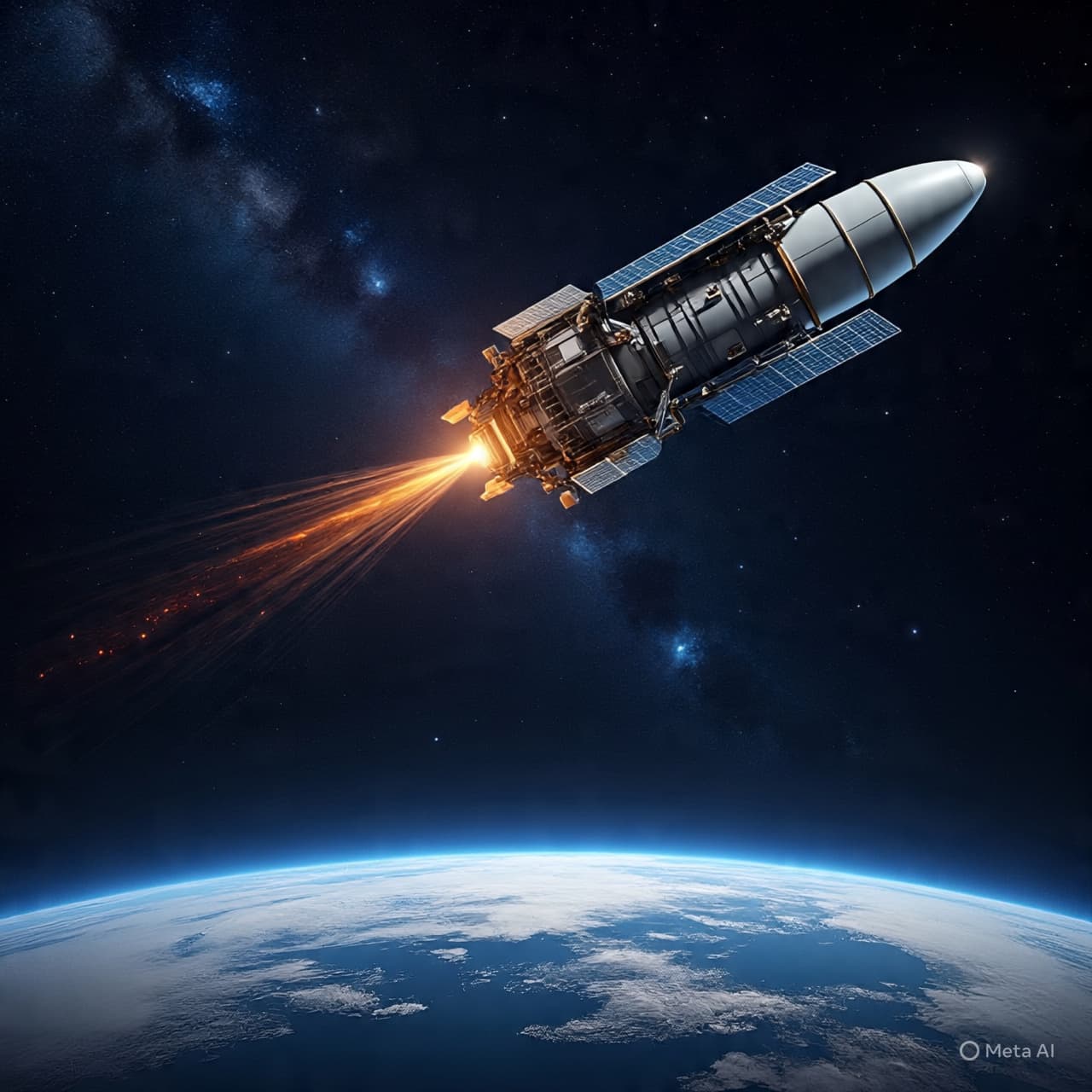
In orbit above Earth, where the blue curve of the planet slowly rolls beneath silent machinery, arrivals and departures are part of a quiet rhythm. Spacecraft glide toward the International Space Station like careful visitors, bringing food, research equipment, and small pieces of life from home. Eventually, they must leave again, drifting away from the orbital outpost before their journeys end in the fiery return through Earth’s atmosphere.
This week, another such departure unfolds — though with a touch of history attached to it.
A cargo spacecraft built by is preparing to leave the , marking the first mission for an updated version of its long-running supply vehicle. The spacecraft, known as , represents a slightly larger evolution of the company’s Cygnus cargo system, designed to carry supplies and scientific equipment to astronauts living in orbit.
For years, Cygnus spacecraft have quietly played a crucial role in sustaining the space station. Operating as part of NASA’s Commercial Resupply Services program, these robotic vehicles ferry tons of cargo to the station several times each year. Once docked, astronauts unload food, spare parts, and experiments that help keep the orbiting laboratory running.
But the mission of a Cygnus spacecraft does not end with delivery.
After its cargo is unpacked, the vehicle gradually becomes a container for waste. Crew members fill it with discarded equipment, packaging materials, and other items no longer needed aboard the station. When the spacecraft departs, it carries that debris away from the orbital complex, eventually burning up harmlessly during atmospheric re-entry.
The Cygnus XL variant is designed to expand that logistical capability. Its cargo module offers increased internal volume, allowing the spacecraft to transport more supplies during each trip. In the long term, such upgrades help maintain the steady flow of materials that makes life and research aboard the station possible.
The spacecraft’s departure will be assisted by the station’s robotic arm, operated by astronauts aboard the orbiting laboratory. Once the robotic arm releases Cygnus, the spacecraft will gently fire its thrusters and move away from the station, beginning a carefully planned sequence of maneuvers that will guide it into a safe orbit before re-entry.
Observers on Earth can follow the event live through NASA’s broadcast, where cameras mounted on the station will capture the spacecraft drifting away against the backdrop of Earth.
Moments like these may appear routine after decades of human presence in orbit, yet they represent a remarkable choreography of engineering and international cooperation. Each cargo mission involves coordination among engineers, astronauts, launch teams, and mission controllers working across continents.
In the coming years, spacecraft like Cygnus will continue to play a role in maintaining the International Space Station while also supporting new research efforts in microgravity. The station remains one of the most important laboratories in space, hosting experiments that range from medical studies to materials science.
For the Cygnus XL spacecraft, however, the immediate task is simple: leave quietly and complete its final journey.
After drifting away from the station on March 12, the spacecraft will spend several days in orbit before executing its final descent. During that controlled re-entry, the vehicle — along with the waste it carries — will burn up in Earth’s atmosphere.
The departure marks both a routine step in station operations and a small milestone for the latest version of Northrop Grumman’s cargo craft.
And as the spacecraft moves slowly away from the orbiting laboratory, it becomes once again what so many space missions ultimately are — a brief traveler between Earth and the silent pathways of space.
AI Image Disclaimer Images in this article are AI-generated illustrations, meant for concept only.
Sources Space.com NASA Ars Technica Reuters SpaceNews
Published by Banx Network. This article is part of the Banx decentralized media programme, powered by the BXE token on the XRP Ledger.