Cars are supposed to be symbols of mobility, convenience, and private freedom. And then — in one second — they can become the opposite.
On a French island, ten people were injured after a car rammed into a crowd — and the national interior minister confirmed the incident publicly. The details are still being sorted. The motivations are still being clarified. But the shock was instant.
These are the moments societies are least prepared for: violence that looks improvised, unplanned, un-signaled — violence that doesn’t come from ideology or manifesto, but from everyday objects that suddenly turn catastrophic.
Even if investigations end up identifying a clear personal motive, a political motive, or no rational motive at all — the trauma has already been planted. Because what rattles the public most is not just a violent act, but a violent act that could have happened anywhere, in any town, on any sidewalk.
Europe has been negotiating with the psychology of random attacks for a decade now. Not the big, spectacular terror plots — but the quiet, small, hyper-localized incidents that create a stain of fear in ordinary public spaces.
When a car turns into a form of harm, it also turns into a metaphor for a world that feels less containable.
Ten injuries is not a statistic. It is ten households reorganizing their hours, hospital visits, painkillers, phone calls, insurance forms, and fear.
Policy makers will speak. Politicians will demand context. Commentators will try to categorize the event.
But the people who were there will remember something else entirely: the sound of unexpected acceleration.
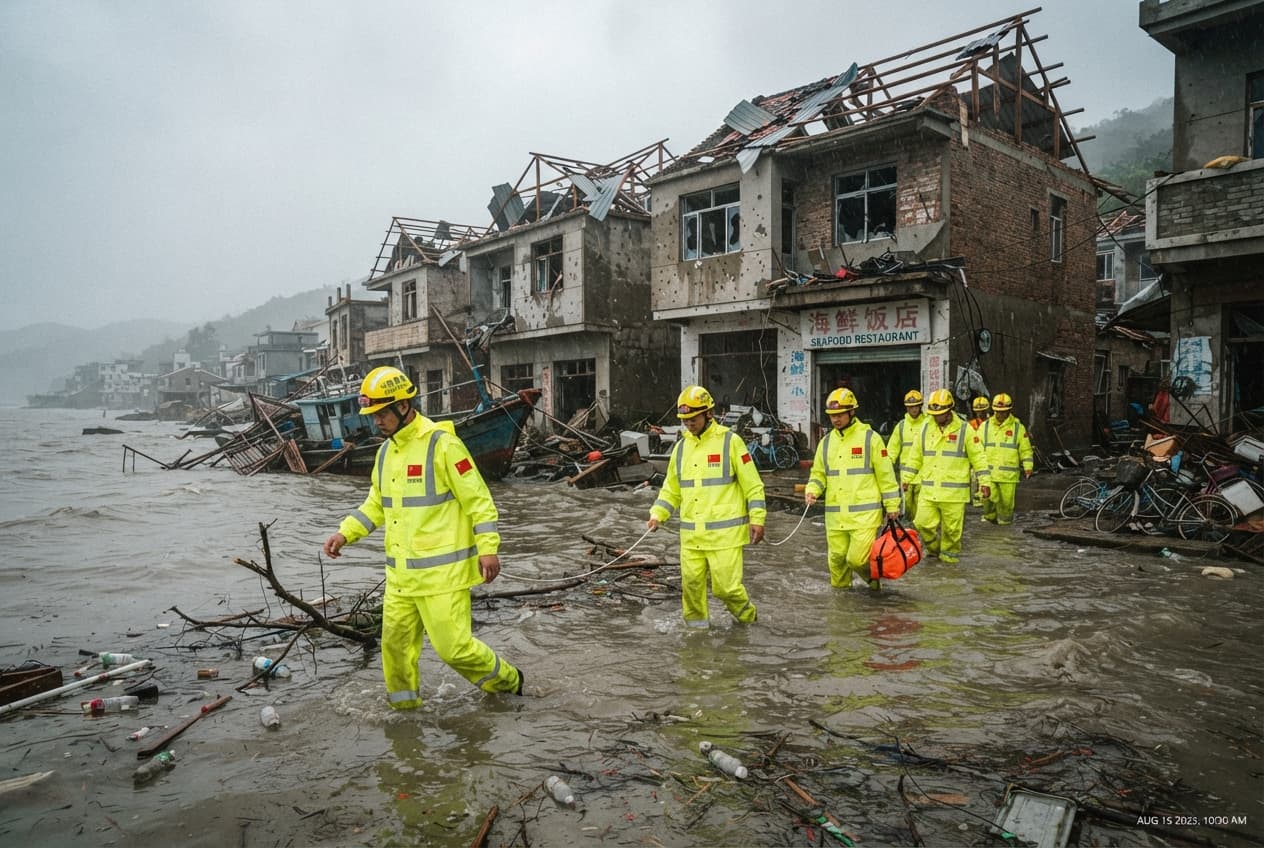
AI IMAGES ARE NOT REAL, JUST FOR ILLUSTRATION
Published by Banx Network. This article is part of the Banx decentralized media programme, powered by the BXE token on the XRP Ledger.