In the dim afterglow of a movie theater, when the credits have finished rolling and the world slowly returns to itself, stories sometimes linger longer than expected. Animated characters, drawn in bold colors and gentle expressions, do not always stay confined to the screen. Occasionally, they drift outward, settling into conversations, searches, and quiet curiosities. In China, one such character — a blue snake introduced in Zootopia 2 — appears to have done just that.
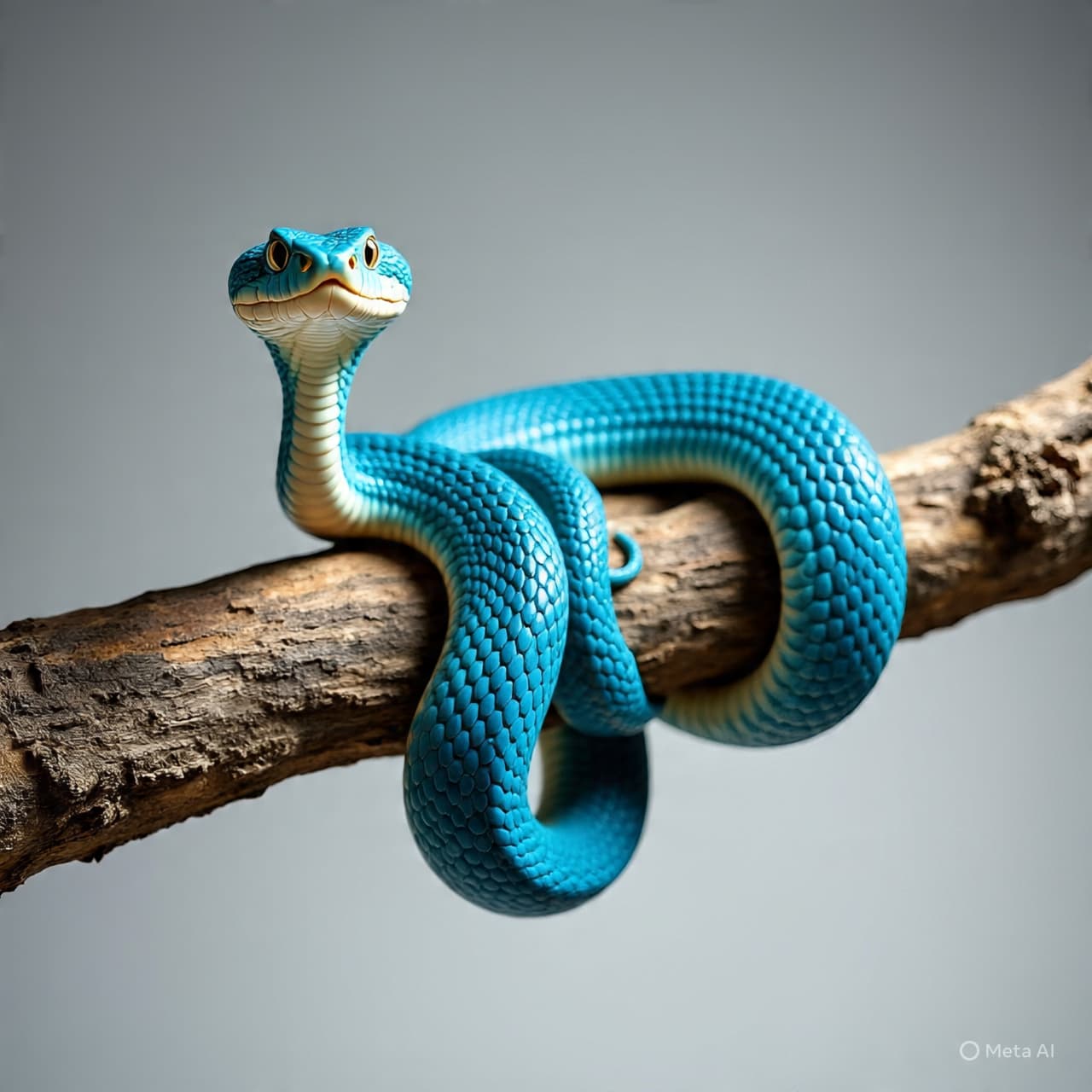
Gary, the animated serpent, was never framed as threatening. On screen, he moved with warmth rather than menace, carrying humor and vulnerability in equal measure. For many young viewers, this portrayal softened long-held fears about snakes, replacing instinctive caution with curiosity. In the weeks following the film’s release, that curiosity began to surface beyond fan art and merchandise, extending instead into interest in real reptiles that resembled Gary’s striking blue appearance.
Online marketplaces and reptile communities reported increased attention toward certain venomous snake species known for their vivid coloration. Among younger buyers, some spoke openly about how the film reshaped their perceptions, turning a creature once associated with danger into something worthy of fascination. For experienced reptile keepers, the trend was not entirely surprising. Cinema has long influenced tastes, from fashion to technology. Still, the leap from animation to live animals carries a different weight.
The snakes drawing attention are not harmless. Many require specialized care, legal permits, and a deep understanding of risk. Some buyers acknowledged this openly, noting that admiration does not replace responsibility. Others, however, appeared drawn primarily by appearance and novelty, a pattern that has prompted concern among animal experts and platform regulators alike. Authorities and e-commerce companies have responded by tightening oversight and removing certain listings, underscoring the seriousness of owning such animals.
This moment also reflects a broader shift among younger consumers, where personal identity, online culture, and entertainment increasingly intersect. Exotic pets, once niche, have become symbols of individuality for some. The influence of Zootopia 2 did not create this movement, but it may have quietly amplified it, offering a friendly face to a complex reality.
As the excitement around the film gradually fades, what remains is a reminder of how storytelling can subtly shape behavior. Animated worlds are powerful precisely because they feel safe and distant. Yet when their influence crosses into the physical world, the line between imagination and responsibility becomes clearer. In this case, the blue snake’s legacy may be less about trend and more about reflection — on how far stories travel, and how carefully they should be carried.
Published by Banx Network. This article is part of the Banx decentralized media programme, powered by the BXE token on the XRP Ledger.