
Key Highlights
- Felcsút, Hungary, symbolizes the rise of Viktor Orbán and his political legacy.
- The village's significance has grown as Hungary approaches a crucial election.
- Economic pressures and shifting public sentiment are reshaping voter priorities.
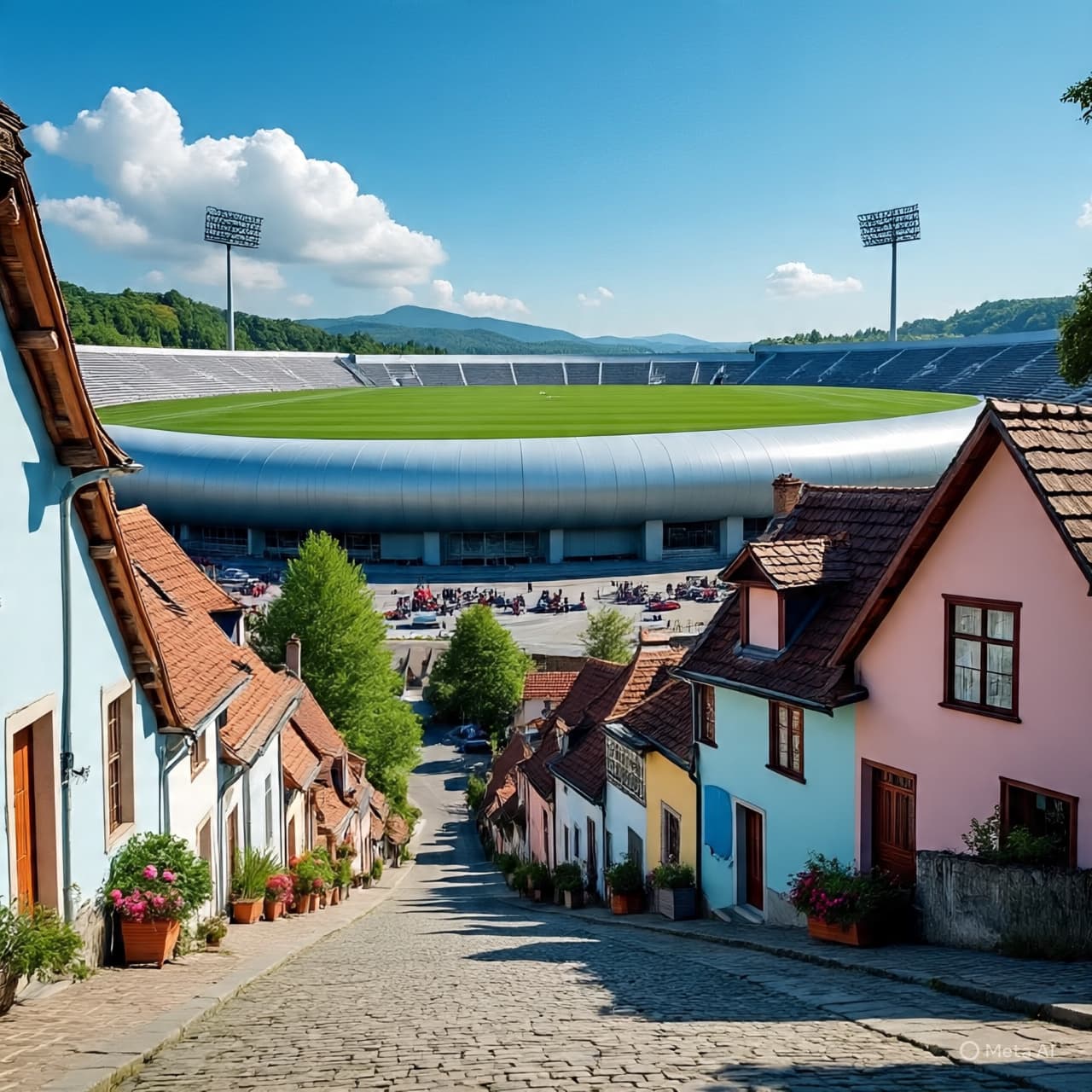
Felcsút, a small village in Hungary, has transformed from a quiet birthplace into a significant political symbol as the nation gears up for a pivotal election. Once merely a footnote in the biography of Viktor Orbán, the village now embodies the complexities of power, loyalty, and the evolving political landscape in Hungary. The recent investments, including a striking stadium, have turned Felcsút into a visible representation of proximity to power, prompting both pride and skepticism among its residents.
As the election approaches, Felcsút's streets are alive with discussions that reflect broader national concerns. The village has become a microcosm of Hungary's political reality, where supporters and critics alike view it as a lens through which to understand the implications of Orbán's long-standing leadership. After over 15 years in power, Orbán's governance has become deeply intertwined with the nation's identity, raising questions about who truly benefits from the current system.
Opposition movements are gaining traction, particularly in areas that were once considered strongholds of Orbán's ruling party. New political voices are emerging, focusing on everyday issues rather than ideological battles, which is reshaping the national dialogue. This shift in tone is evident in Felcsút, where conversations are marked by a sense of reflection rather than confrontation, highlighting the village's role as a battleground of ideas rather than physical conflict.
Economic challenges, including rising inflation and concerns over public services, have intensified voter priorities. In this context, symbols like the stadium in Felcsút take on greater significance, representing both achievement and a source of contention. The contrasting perceptions of this landmark illustrate the divergent views among citizens regarding the direction of their country.
Orbán's response to these challenges has remained consistent, emphasizing themes of sovereignty and stability amid global uncertainties. He frames external issues, such as migration and regional conflicts, as justifications for continuity in his leadership. While this message resonates with many, a growing number of citizens are seeking alternative solutions to their pressing concerns.
What distinguishes this electoral moment is not just the volume of political discourse but its reflective nature. In Felcsút, the subtlety of conversations reveals a community grappling with its identity and future. As the election draws near, the village stands at a crossroads, embodying the tension between the past and the potential for change.
As voters prepare to cast their ballots, the outcome will determine whether Felcsút continues to symbolize enduring power or becomes part of a broader narrative of transition. The significance of this moment extends beyond the village itself, resting on the collective choices of the Hungarian electorate.
Published by Banx Network. This article is part of the Banx decentralized media programme, powered by the BXE token on the XRP Ledger.



