There is something almost poetic about the NFL offseason. Long after the final whistle of winter fades, the league continues to move — quietly, deliberately — as if reshaping itself beneath the surface. Contracts are reconsidered, draft boards recalibrated, and players who once symbolized stability in one city begin envisioning fresh turf elsewhere. In this steady rhythm of change, another chapter has turned.
The Detroit Lions have agreed to trade veteran running back David Montgomery to the Houston Texans in exchange for draft compensation. The move reflects both teams’ evolving priorities — Detroit refining its offensive identity and Houston strengthening its backfield depth while maintaining flexibility for the future.
For the Lions, the decision appears rooted in both opportunity and direction. With younger talent ascending and offensive schemes adapting, Montgomery’s role had gradually narrowed. Though still productive and respected for his physical running style and reliability in pass protection, the calculus of roster construction often leans toward youth and cap management. Draft picks, after all, are not merely selections — they are possibilities, small seeds planted for seasons yet to unfold.
Montgomery’s tenure in Detroit was marked by consistency. He brought balance to the offense, absorbing carries between the tackles and offering a steady presence in high-leverage situations. His experience, particularly in short-yardage scenarios, provided a dependable complement within the Lions’ offensive structure. Yet the NFL is a league where timelines accelerate quickly, and even dependable veterans sometimes find themselves part of broader strategic recalibration.
For Houston, the acquisition offers both insurance and experience. The Texans, continuing their methodical roster build, gain a proven contributor who can stabilize a running game and mentor younger players in the room. In a division where incremental improvements often determine postseason hopes, adding a seasoned back at a manageable cost carries practical appeal.
Beyond the immediate football implications, this trade illustrates the delicate balance teams navigate between present competitiveness and long-term sustainability. Draft capital represents flexibility — the ability to maneuver during the draft, to package picks for future trades, or to invest in developmental prospects. For Detroit, the value may extend well beyond this transaction alone.
The broader league context also matters. Running back valuations have shifted in recent years, with franchises often prioritizing cost efficiency and rotational depth over long-term financial commitments at the position. Montgomery’s move is less a reflection of decline and more a sign of evolving team philosophies across the NFL landscape.
For fans, trades can feel abrupt — a reminder that loyalty in professional sports coexists with business realities. Yet they also carry a quiet optimism. A new uniform can mean renewed opportunity. A fresh scheme can unlock different dimensions of a player’s skill set. And for the teams involved, each decision contributes to the intricate mosaic that defines a season’s identity.
In the immediate aftermath, the Lions receive draft picks that will factor into their upcoming selection strategy, while the Texans add Montgomery to their backfield rotation. The transaction has been confirmed by multiple outlets, and both organizations are expected to address the media in the coming days. Further roster adjustments may follow as the new league year approaches.
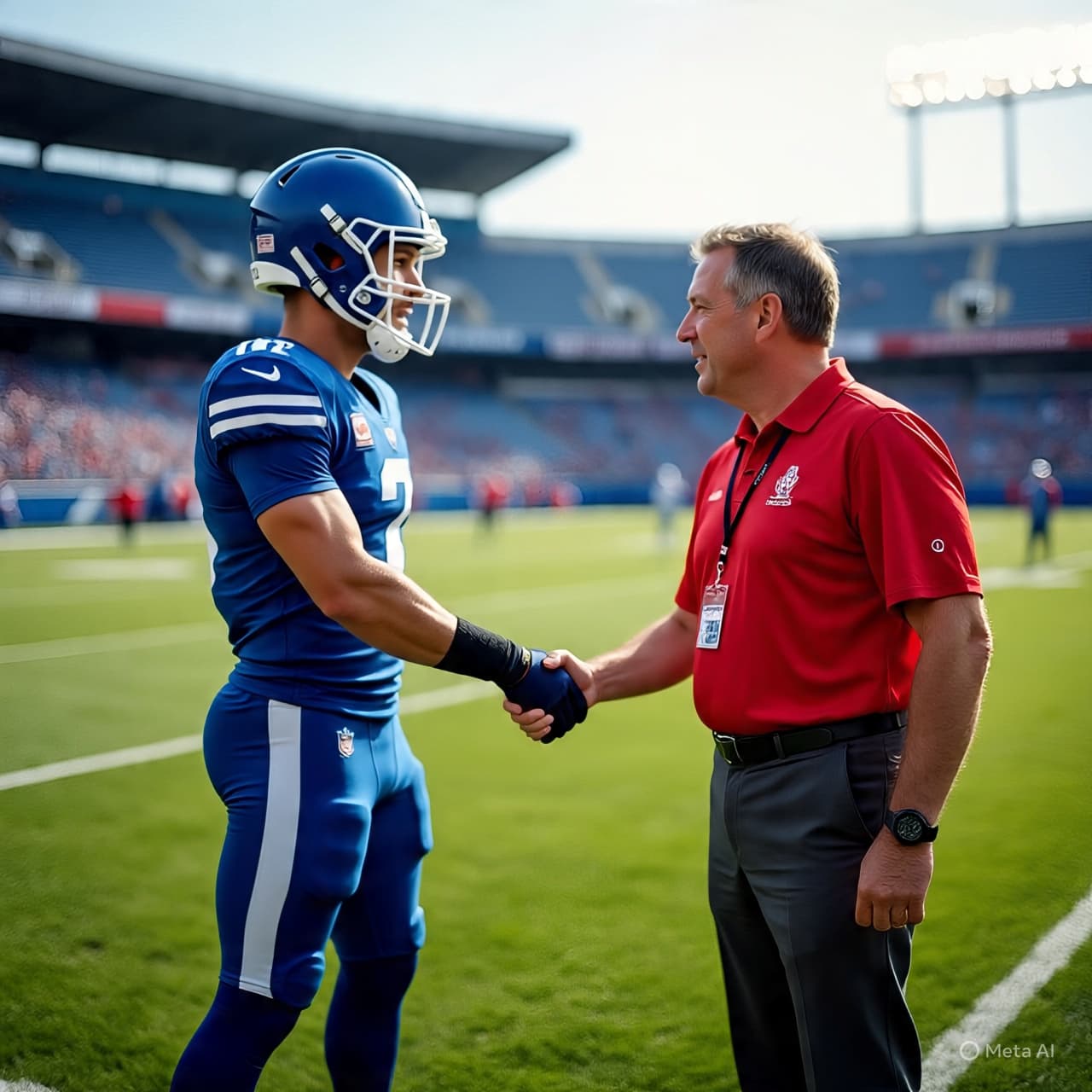
AI Image Disclaimer Images in this article are AI-generated illustrations, meant for concept only.
Sources Reuters Yahoo Sports Sporting News ESPN NFL Network
Published by Banx Network. This article is part of the Banx decentralized media programme, powered by the BXE token on the XRP Ledger.