
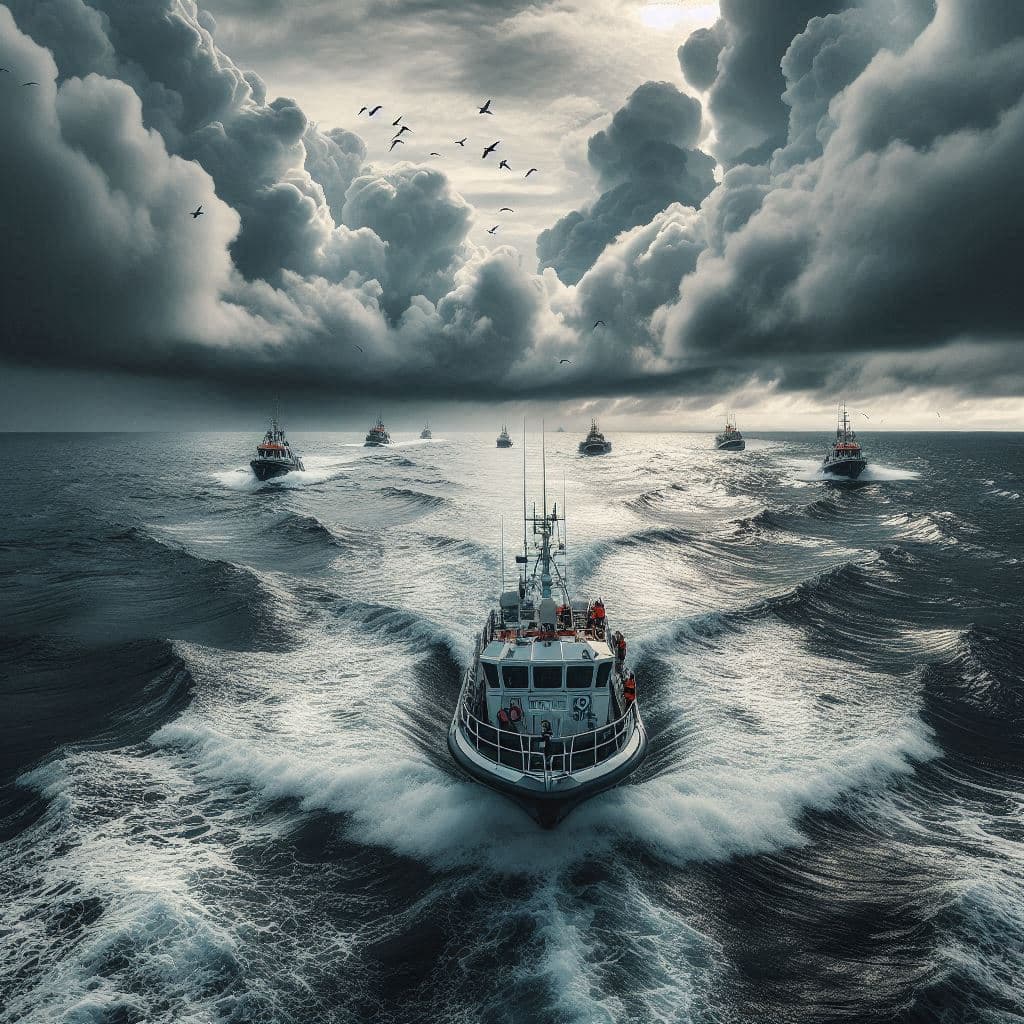
Key Highlights
- Incident:A ferry carrying over 350 people sank in the southern Philippines.
- Casualties:At least 15 confirmed dead, with many still missing.
- Rescue Operations:Ongoing amid challenging weather conditions and uncertainty.
On a typical day, the sea in the southern Philippines serves as a bustling highway, with ferries transporting workers and families across its many islands. However, a recent tragedy has shattered this routine, as a ferry carrying more than 350 passengers sank, resulting in at least 15 confirmed fatalities and many others unaccounted for. The incident has left communities in shock and mourning, as rescue operations struggle against the elements and the passage of time.
Survivors of the disaster have recounted harrowing tales of confusion and panic as the ferry began to take on water. Eyewitness accounts describe a scene of chaos, where instructions were drowned out by the rising fear among passengers. Some managed to escape into the water, clinging to debris, while others were rescued from lifeboats or found hours later, exhausted and disoriented.
The ferry was navigating notoriously unpredictable waters, known for sudden storms and treacherous conditions. While authorities have yet to determine the exact cause of the sinking, questions are mounting regarding the weather at the time, the safety of the vessel, and whether distress signals were sent in a timely manner to avert disaster.
As news of the tragedy spread, families gathered along the shore and in evacuation centers, anxiously awaiting updates on their loved ones. The emotional toll of such incidents is profound, as time stretches painfully for those left in uncertainty, counting names and hoping for news of survival.
Maritime accidents are a tragic reality in the Philippines, where ferries are a crucial means of transportation across the archipelago. Each incident highlights the precarious balance between necessity and risk, as many passengers have few alternatives to reach their destinations. The sea, while a vital route, can also be a perilous one.
Rescue teams have been tirelessly searching through debris and open waters, fully aware that the chances of survival diminish rapidly. Each body recovered signifies both a tragic end and the stories of lives interrupted. Each survivor carries with them a narrative shaped by chance, instinct, and the unpredictable nature of the sea.
In the aftermath of the sinking, the emotional landscape is marked by loss and remembrance. Homes that once welcomed loved ones now echo with absence, and journeys that were meant to conclude in reunion have instead turned into mourning. While the sea may return to its calm surface, for those affected, the meaning of travel has irrevocably changed, serving as a stark reminder of the thin line between safety and tragedy.
As investigations into the incident continue, the community grapples with the reality of their loss, while the sea remains a constant presence, both a source of life and a harbinger of sorrow.
Published by Banx Network. This article is part of the Banx decentralized media programme, powered by the BXE token on the XRP Ledger.



