
Key Highlights
- Probiotics and prebiotics are key players in gut health.
- Scientific evidence supports limited uses of probiotics.
- Prebiotics promote beneficial gut bacteria growth.
Understanding gut health has become a significant focus in both medical research and consumer products. Terms like probiotics and prebiotics, once confined to scientific literature, are now commonplace on supermarket shelves, often associated with health claims that promise balance and renewal. While these terms are frequently used interchangeably in marketing, they represent distinct concepts that are crucial for understanding their roles in human health.
Probiotics are defined as live microorganisms that, when consumed in adequate amounts, confer health benefits to the host. They are often marketed as solutions for various digestive issues, but the scientific backing for their efficacy is limited to specific strains and conditions. For instance, certain probiotics have been shown to help prevent antibiotic-associated diarrhea and manage specific gastrointestinal disorders. However, many products on the market contain strains that lack rigorous scientific validation, and the dosages may not align with those proven effective in clinical studies.
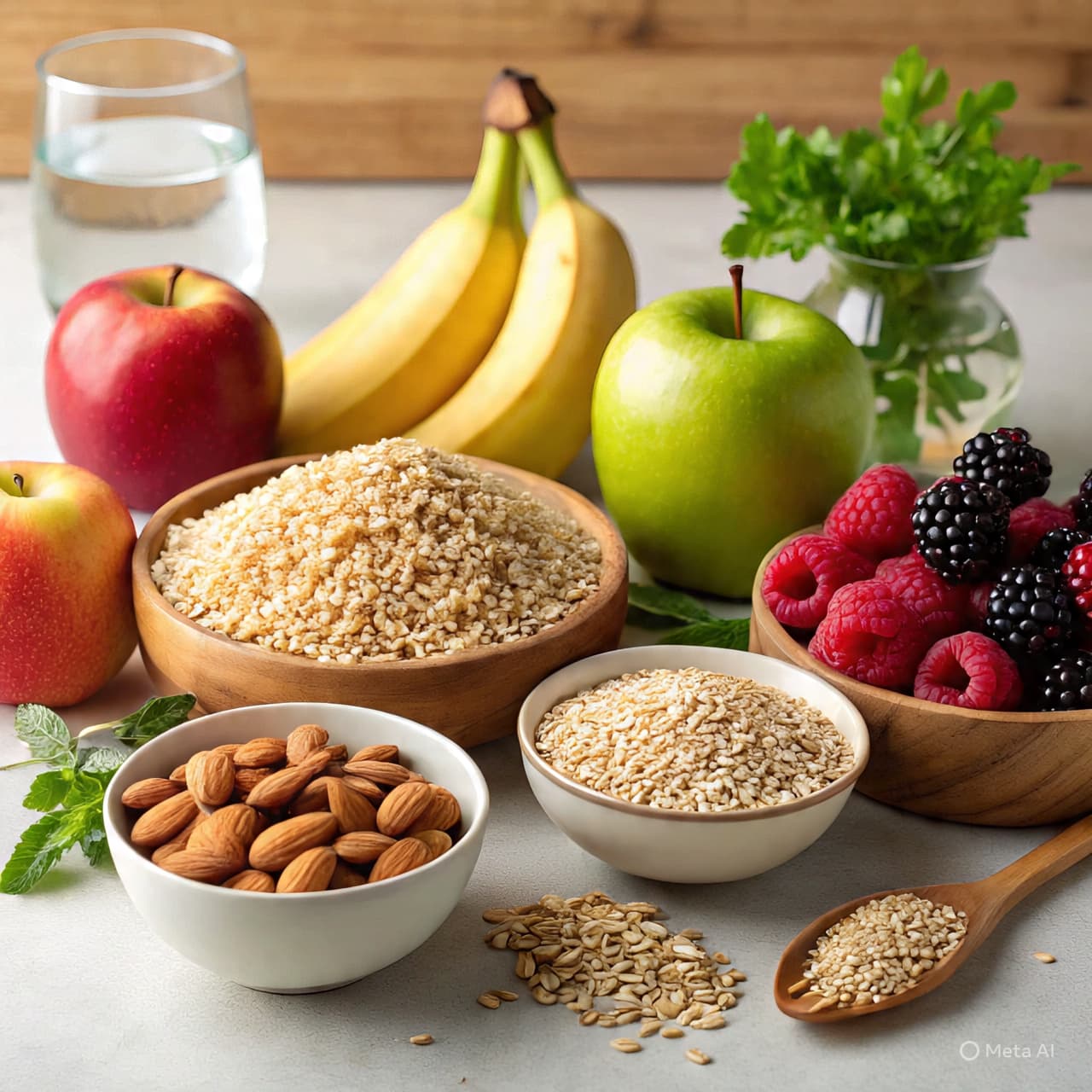
In contrast, prebiotics are dietary fibers that serve as food for the beneficial bacteria already residing in the gut. Found naturally in foods such as onions, garlic, bananas, and whole grains, prebiotics support the growth of these bacteria, contributing to a healthier gut microbiome. Unlike probiotics, the effects of prebiotics tend to be more gradual and are influenced by overall dietary patterns rather than immediate consumption.
One of the most pervasive myths surrounding gut health is the idea of universality. Each individual's gut microbiome is unique, shaped by a combination of genetics, environmental factors, diet, and medication use. This means that a probiotic supplement that works for one person may not have the same effect on another. The notion that a single product can serve as a universal solution for digestive health is not supported by current scientific understanding.
Another common misconception is the expectation of immediate results. Many anecdotal reports of probiotic benefits are influenced by placebo effects or short-term dietary changes. Sustainable improvements in gut health are more closely linked to long-term dietary habits rather than isolated interventions. Clinicians are increasingly advocating for a cautious approach, emphasizing that probiotics are not cures and that prebiotics should not be seen as shortcuts to health.
As research continues to evolve, the conversation around gut health is likely to become more nuanced. The focus may shift from sensational claims to a more evidence-based understanding of how these microorganisms interact with our bodies. For now, it is essential to differentiate between fact and myth, resisting the allure of grand promises in favor of a return to fundamental dietary principles. The microbiome thrives on consistency and diversity, not on fleeting trends.
In summary, while probiotics and prebiotics can play a role in gut health, their applications are limited and should be approached with a realistic mindset. Their true value lies in understanding the science behind them and recognizing the importance of a balanced diet rich in diverse, plant-based foods.
Published by Banx Network. This article is part of the Banx decentralized media programme, powered by the BXE token on the XRP Ledger.



