
Key Highlights
- Incident:Starlet Wahu Mwangi found dead in Nairobi apartment.
- Suspect:John Matara linked to the crime through CCTV and DNA evidence.
- Ongoing Trial:Court proceedings continue as testimonies unfold.
In the heart of Nairobi, as the city settled into the quiet of the night, a tragic event unfolded that would soon echo through the halls of justice. Starlet Wahu Mwangi, a well-known socialite, was discovered dead in a short-stay apartment at Papino Apartments in South B. The circumstances surrounding her death have become the focus of a high-profile trial, where police officers have taken the stand to recount the events leading up to that fateful night.
During the proceedings at the Milimani High Court, officers described their initial response to the scene. They painted a grim picture of a room that bore the marks of violence: a body with multiple stab wounds and signs of struggle. The officers' testimonies were methodical, emphasizing the importance of evidence and the sequence of events rather than sensationalizing the tragedy. Their accounts aimed to piece together the timeline of that night, which prosecutors allege culminated in Mwangi's murder.
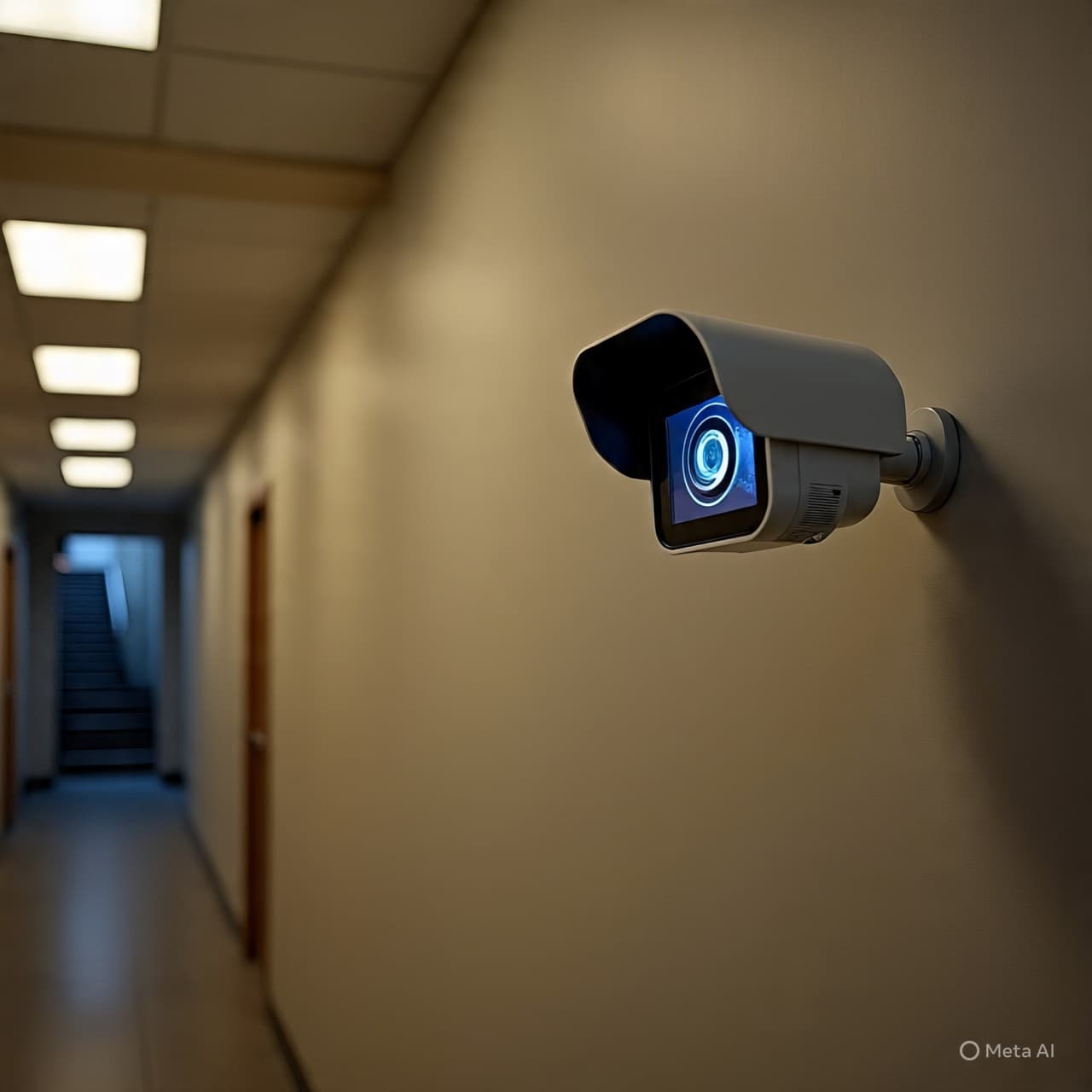
According to the prosecution, Mwangi had entered the apartment with John Matara, the man now accused of her murder. CCTV footage from the building captured the couple entering together, but later footage showed a man, believed to be Matara, leaving the premises alone, his clothing reportedly stained. These video clips serve as crucial pieces of evidence, suggesting a narrative that implicates Matara in the crime.
Forensic evidence has further complicated the case. Analysts presented DNA results that allegedly link Matara to both the crime scene and the weapon believed to have been used in the stabbing. However, the defense has raised questions about the reliability of this evidence, challenging its significance in the context of the trial. As the court continues to hear testimonies, the final determination of Matara's guilt or innocence remains pending.
Following the incident, Matara was located at Mbagathi Hospital, where he sought treatment for injuries. His arrest was described by police as a straightforward process, guided by the evidence collected from the scene and his medical records. In court, Matara has maintained his innocence, pleading not guilty to the charges against him as the prosecution continues to present its case.
The trial not only seeks to establish the facts surrounding Mwangi's death but also highlights the broader implications of violence against women in society. While the courtroom proceedings focus on the technical aspects of the case, they also serve as a reminder of the human lives affected by such tragedies. Mwangi's story, now largely told through the voices of others, underscores the profound loss felt by her family and friends.
As the trial progresses, the court remains tasked with the difficult job of reconstructing a night that has left many unanswered questions. The testimonies, while providing insight into the events that transpired, also reflect the ongoing struggle for justice in cases of violence against women. With no verdict yet delivered, the courtroom continues to be a space where silence is filled with the weight of testimony, evidence, and the search for truth.
Published by Banx Network. This article is part of the Banx decentralized media programme, powered by the BXE token on the XRP Ledger.



