There is a gap that sometimes opens between what a person says in the first telling and what they are able to say later, after the numbness recedes and the language for what happened finally arrives. In the case of a Cornell University student known only as Jane Doe, that gap has become the center of a debate about trauma, memory, and whether the criminal justice system is built to hear what victims say the first time. Two years ago, she told campus police about a night at a fraternity house. This month, she filed a lawsuit. The difference between those two accounts has now prompted prosecutors to reopen an investigation they had closed.
The case concerns an alleged assault on October 19, 2024, at the Chi Phi fraternity house at Cornell. Jane Doe, then 20, says she was drugged and raped by multiple fraternity members over several hours. She reported the incident to Cornell University Police on November 8, 2024 . The Tompkins County District Attorney's office reviewed her statement and declined to file charges. "Jane Doe's sworn statement in November of 2024 did not allege that she was drugged against her will or gang raped," District Attorney Matthew Van Houten said in a statement. "On the contrary, Jane Doe's statement described her participation in drug use and sexual conduct as voluntary, conscious, and consensual" .
That decision stood until September 16, 2026, when Jane Doe filed a civil lawsuit against seven fraternity members, Cornell University, and the Chi Phi chapter. The lawsuit alleged that she was plied with alcohol and ketamine, that she was incapable of consent, and that a Snapchat group message alerted other members to "free pussy" upstairs . The lawsuit also claimed that some accused students were allowed to "mitigate their conduct by submitting essays" to the university—a detail that drew national outrage and was denied by Cornell, which said the sanctions included expulsions and suspensions .
On Monday, Van Houten announced he would reopen the case and present it to a grand jury. He acknowledged "the reality that it can take years of therapy and healing for victims of sexual assaults to fully process and understand what happened to them." But he also said the lawsuit contained allegations absent from the original statement, and that no one from Jane Doe's legal team had ever contacted him to say the initial account was inaccurate .
New reports, however, complicate that narrative. Documents obtained by CNN affiliate WCBS and ABC News indicate that Jane Doe told Cornell police more than the district attorney's summary suggests. According to those reports, she said she was "pretty OK" with the initial encounter but did not consent to what occurred later. She described being physically hit. She said she repeatedly refused some acts . Van Houten said his office was not provided with a transcript of the interview and would be investigating "this fully" .
Jane Doe's attorney, Thomas Giuffra, has argued that the initial investigation was inadequate. She "never spoke with anyone other than the officer who took her original complaint," he said, adding that he would have expected multiple interviews and evidence collection. "This is the normal sequence for serious crime investigations" . Cornell has said its police department "shared all investigatory information" with the district attorney's office, following established protocol .
The case has become a flashpoint for broader questions about how universities and law enforcement handle sexual assault allegations. U.S. Representative Alexandria Ocasio-Cortez condemned Cornell's response in a campus appearance, saying "the culture of rape, sexual assault and pedophilia is protected in elite institutions" . A 2025 Cornell survey found that 35 percent of undergraduate women reported experiencing nonconsensual sexual contact, up from 23 percent in 2023 . The grand jury will now weigh the evidence anew, with a senior female prosecutor experienced in sexual assault cases assigned to present it .
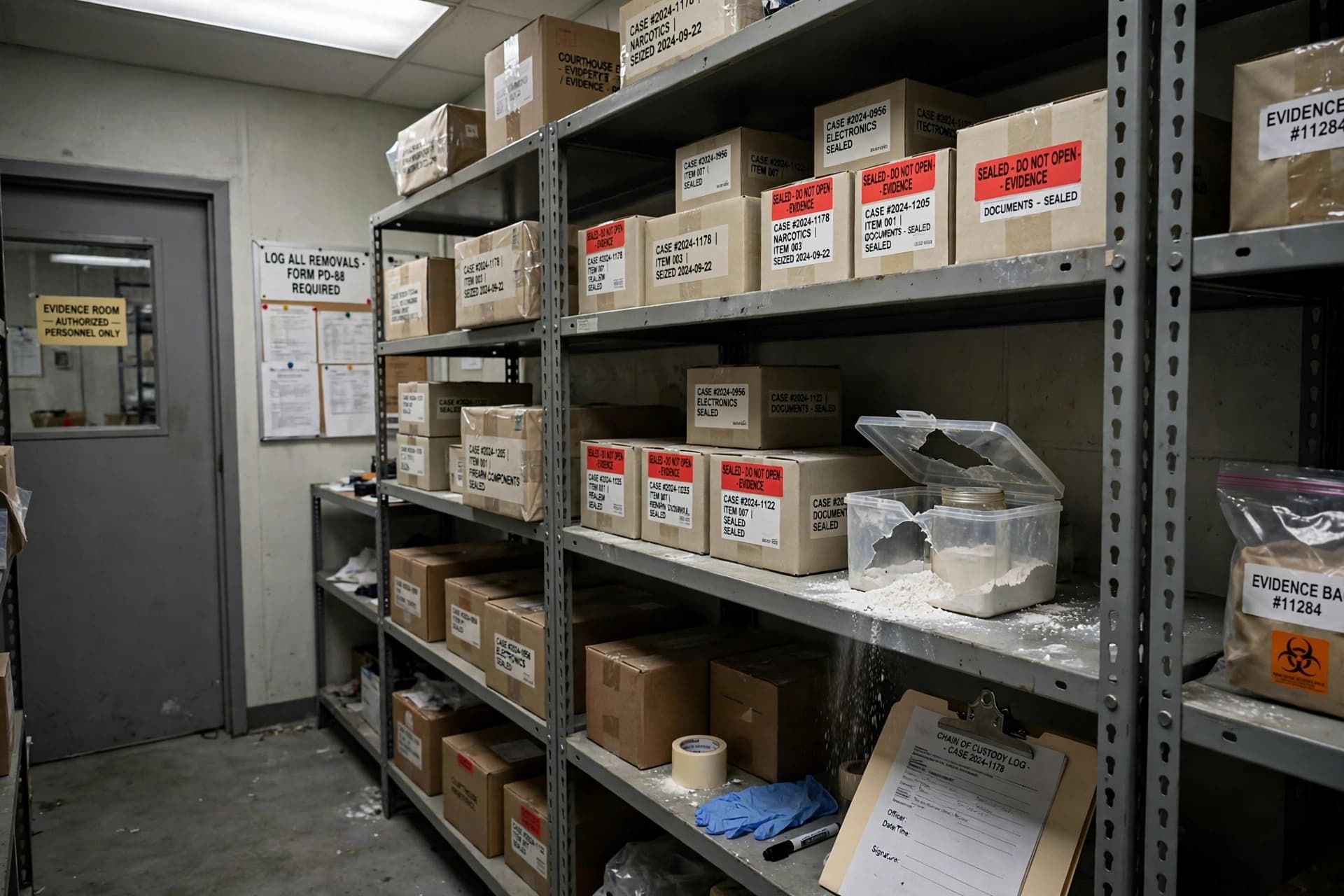
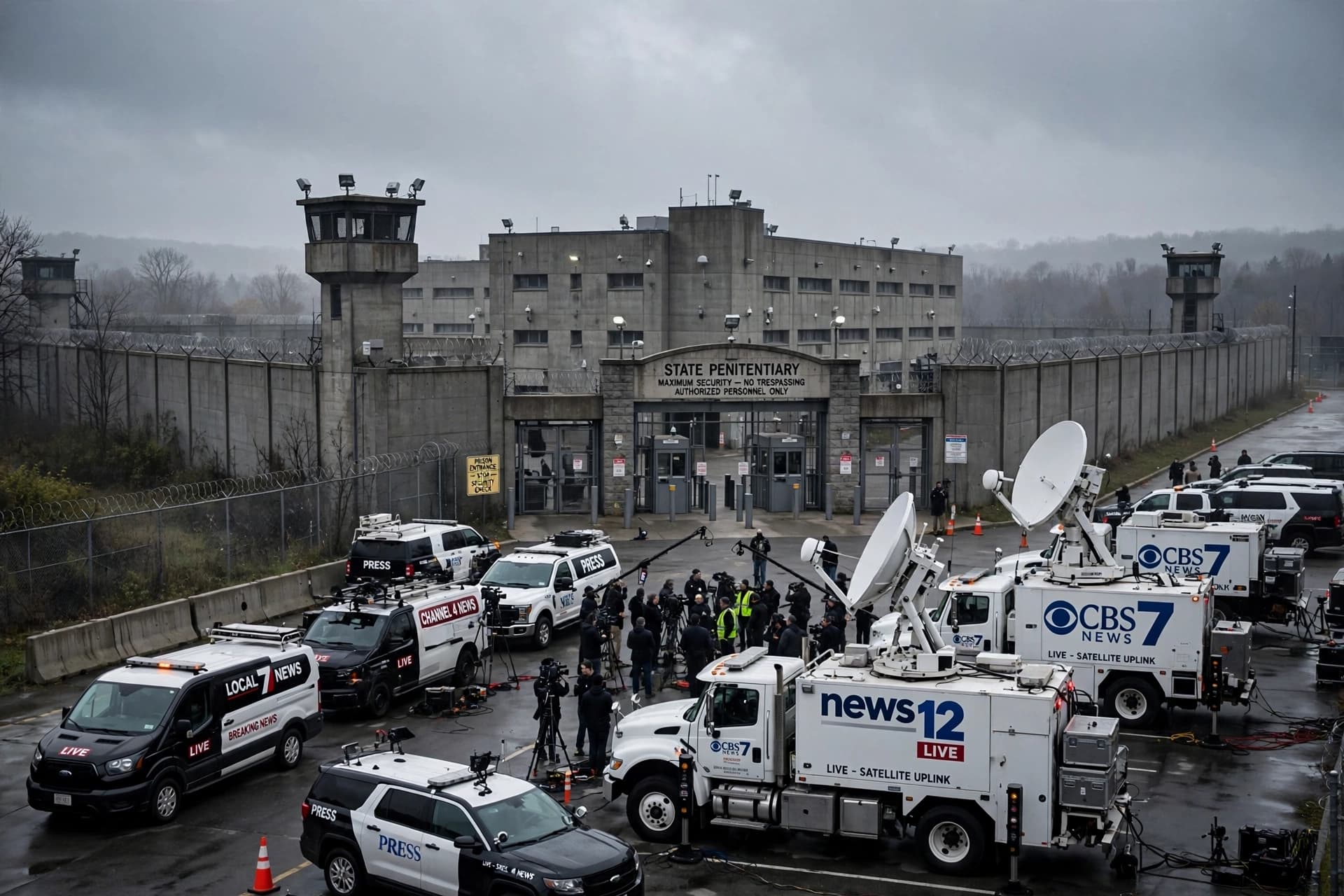
AI Image Disclaimer: The visual materials in this article were produced by artificial intelligence and are used solely for illustrative purposes.
Sources: The New York Times, BBC, Courthouse News Service, CNN, Nine
Published by Banx Network. This article is part of the Banx decentralized media programme, powered by the BXE token on the XRP Ledger.