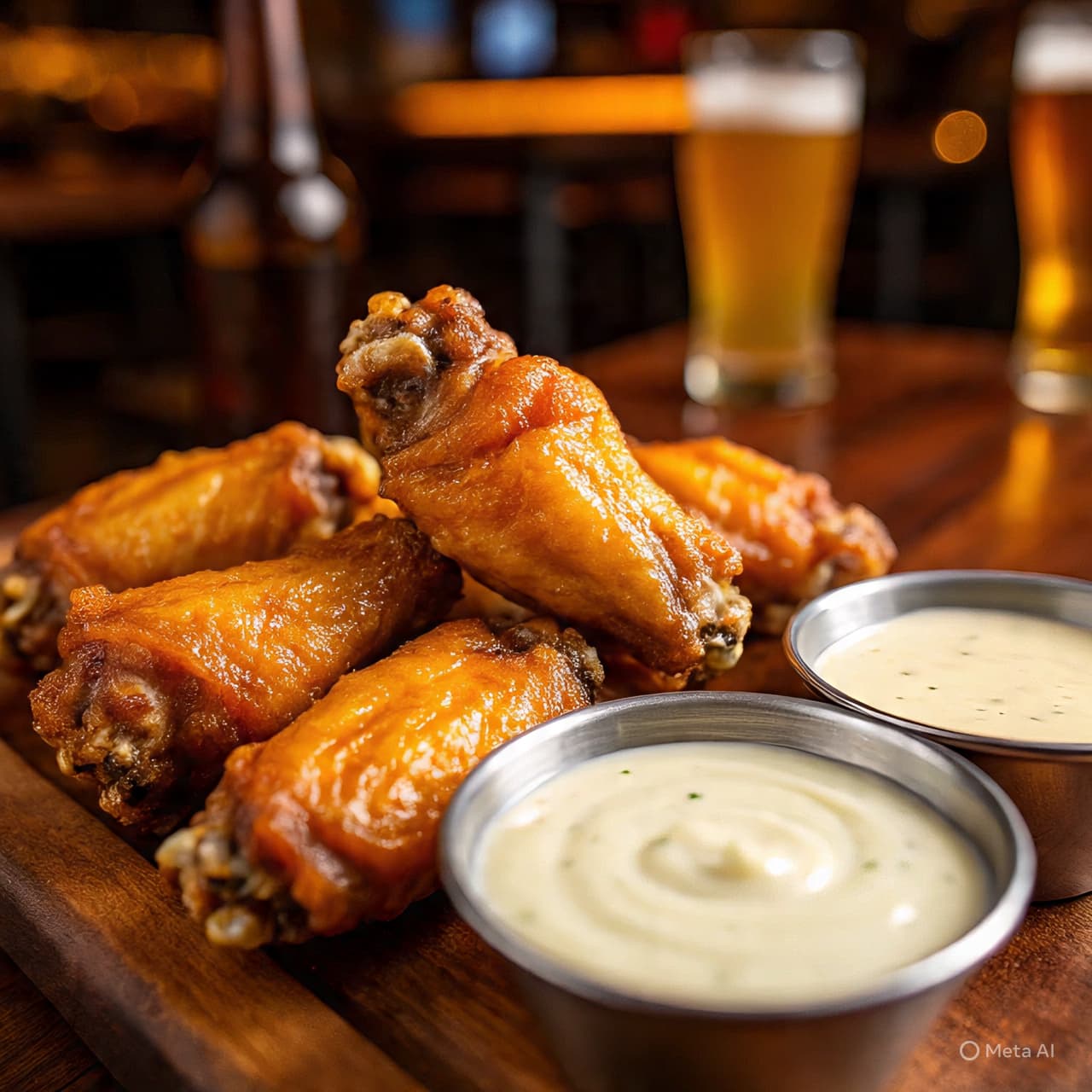
In the quiet choreography of everyday life, few things seem simpler than ordering a favorite dish. A menu is, after all, a promise of comfort — a familiar phrase, a trusted flavor, a brief escape from the day’s noise. Yet sometimes, even the most ordinary words can carry unexpected weight. In a courtroom far removed from the hum of a restaurant kitchen, the humble “boneless wing” recently became the subject of careful legal reflection.
The case centered on a customer who was injured after encountering a bone fragment in an order of boneless wings. The lawsuit questioned whether labeling the dish as “boneless” constituted a guarantee that no bone could ever be present. At the heart of the matter was not merely a meal, but the meaning of language itself — whether a common culinary term should be interpreted with strict literal precision or understood within the rhythm of everyday speech.
In its ruling, the Ohio Supreme Court concluded that boneless wings are, indeed, still wings — at least in the way consumers commonly understand them. The court reasoned that the term refers to a style of preparation, typically pieces of chicken breast cooked in the manner of traditional wings, rather than a sworn assurance of absolute bone absence. Words on a menu, the justices suggested, carry context as well as description.
The decision allowed Buffalo Wild Wings to continue using the term without revising its menu language. In doing so, the court emphasized the concept of reasonable expectation. Just as diners understand that “seedless” fruit may occasionally contain a stray seed, they may also recognize that “boneless” describes form and presentation rather than flawless certainty.
Beyond the specific restaurant or single dish, the ruling offered a quiet meditation on commerce and communication. Language evolves through habit and shared understanding; it gathers meaning from kitchens, conversations, and culture. To demand absolute literalism from every phrase, the court implied, would stretch everyday speech beyond its practical limits.
For restaurants and food producers, the judgment provides reassurance that familiar terminology remains intact. For consumers, it serves as a gentle reminder that language, like cooking, is shaped by tradition and common sense. A menu may promise satisfaction, but it cannot promise perfection.
The ruling from the Ohio Supreme Court stands as the final word in the case at the state level. “Boneless wings,” as described on restaurant menus, may continue to carry their widely accepted meaning.
AI Image Disclaimer “Graphics are AI-generated and intended for representation, not reality.”
Source Check: Credible mainstream coverage exists on this ruling from:
Associated Press Reuters CNN NBC News USA Today
Published by Banx Network. This article is part of the Banx decentralized media programme, powered by the BXE token on the XRP Ledger.