Some games announce themselves loudly, with spectacle and certainty. Others arrive more quietly, carrying only a name and a suggestion, inviting curiosity to do the rest. Beast of Reincarnation belongs to the second kind. Its title lingers, circular and unresolved, hinting at cycles rather than conclusions, at stories that return changed but familiar.
The upcoming action game, developed by a studio best known for shaping the gentle rituals of Pokémon, has drawn attention precisely because of that contrast. Where the developer’s past work emphasized collection, companionship, and repetition softened by charm, Beast of Reincarnation gestures toward something heavier. In recent interviews, the game’s director has begun to clarify that shift, answering long-standing questions about tone, mechanics, and intent without fully dissolving the mystery.
At its core, the project is described as an action-focused experience, built around deliberate combat and a world shaped by recurrence rather than linear progression. The director has spoken about reincarnation not as a narrative trick, but as a structural idea — one that influences how players grow, fail, and return. Death is not framed as an ending, but as part of a larger rhythm, folding experience back into the player’s next attempt.
The game’s darker atmosphere has raised inevitable comparisons to genres far removed from Pokémon’s bright familiarity. Yet the director has been careful to resist easy labels, emphasizing that the team is less interested in difficulty for its own sake than in emotional weight. Combat is meant to feel consequential, exploration reflective, and repetition purposeful rather than punishing.
There is also a sense of creative release in how the project has been discussed. Freed from the expectations attached to a long-running franchise, the developers appear to be experimenting with pacing, visual language, and narrative restraint. The director has highlighted an interest in silence, environmental storytelling, and moments where the world communicates without instruction or dialogue.
For longtime observers of the studio, Beast of Reincarnation feels less like a departure than a revealing side path. The same care for systems and structure remains, but it is applied to a different emotional register — one that asks players to sit with uncertainty rather than mastery.
As details continue to emerge, the game remains partially obscured, its answers creating new questions rather than closing them. That may be by design. Like the concept it is built around, Beast of Reincarnation seems intent on circling back, inviting players not toward a single revelation, but toward an experience shaped by return, memory, and gradual understanding.
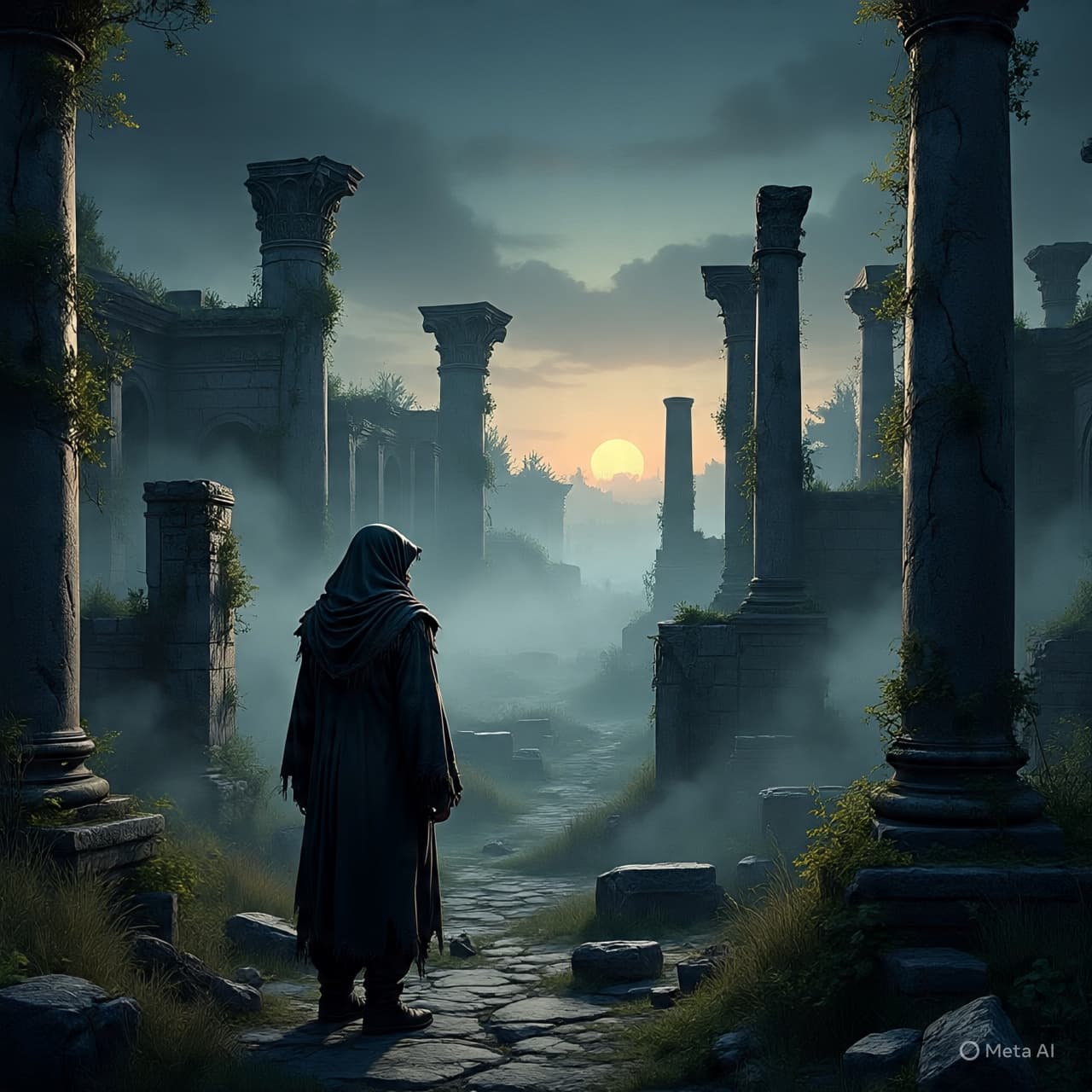
AI Image Disclaimer Visuals are AI-generated and serve as conceptual representations.
Sources Game director interviews; developer statements; gaming media coverage. If you’d like, I can next: lean further into game-design philosophy, adapt this for culture-and-media section, or rewrite it as a preview essay closer to launch timing.
Published by Banx Network. This article is part of the Banx decentralized media programme, powered by the BXE token on the XRP Ledger.