In the Middle East, permanence is often an illusion shaped by repetition. Skylines rise from desert plains, governments endure beyond predictions, and alliances stretch across decades even as their terms quietly evolve. From afar, continuity can look like stillness. Up close, it feels more like balance—maintained, recalibrated, tested again.
In Iran, the state has weathered wars, sanctions, internal dissent, and diplomatic isolation. Its institutions—religious, military, bureaucratic—were built with durability in mind. Even during moments of acute strain, from economic crises to regional confrontations, the architecture of the Islamic Republic has shown an ability to absorb pressure without fracturing at its core.
Recent tensions, including direct exchanges with Israel and heightened friction with the United States and regional partners, have again prompted predictions of upheaval. Yet many analysts suggest that while Iran’s leadership faces undeniable challenges, the system itself retains mechanisms designed to ensure continuity. Power is distributed across networks that reinforce one another: the office of the Supreme Leader, the Revolutionary Guard, elected institutions operating within defined boundaries. Change, when it comes, often unfolds gradually rather than dramatically.
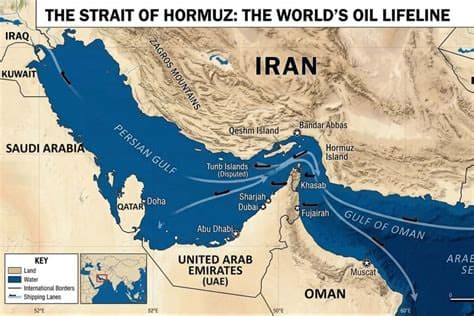
Still, survival does not mean stasis. The Middle East surrounding Iran has already begun to shift. Gulf states that once communicated primarily through intermediaries now navigate a more direct and uncertain security environment. Air defense systems have been activated across borders; energy routes have been recalculated with fresh caution. Diplomatic channels, once tentative, have reopened in some capitals even as others harden their positions.
For Israel, the calculus has altered as well. Direct confrontation, even if limited, introduces new thresholds. The notion of deterrence—long a quiet understanding enforced through covert actions and proxy conflicts—has been tested in more visible ways. Each exchange redraws the boundaries of what is considered manageable risk.
Arab Gulf governments, including those that have pursued cautious rapprochement with Tehran in recent years, now weigh engagement against preparedness. Economic diversification plans and visions of post-oil futures depend on predictability. Even brief disruptions reverberate through financial markets and infrastructure planning.
Inside Iran, ordinary life continues in familiar rhythms. Markets open, universities hold lectures, and families gather in the evenings. Yet beneath this routine lies an awareness of isolation’s cost. Sanctions have strained currency and trade; demographic shifts have introduced generational expectations that differ from those of the revolution’s founding era. The state may endure, but it does so in conversation with a society that is younger, more connected, and more exposed to the outside world than at any time in its history.
Internationally, major powers are adjusting to a region less defined by unipolar influence and more by layered competition. China and Russia deepen ties with Tehran; Western governments recalibrate strategies that blend containment with selective diplomacy. The Middle East, once framed as a theater of proxy rivalries, increasingly acts as a stage where regional actors assert themselves more directly.
If Iran’s regime survives—as many observers believe it will in the near term—the broader transformation may lie not in Tehran’s corridors of power but in the relationships surrounding it. Security doctrines will evolve. Defense budgets may expand. Diplomatic alliances could shift in tone if not in structure.
The enduring image is not of collapse, but of adjustment. A building stands after a tremor, yet its foundations are inspected, its walls measured for stress. Survival invites reassessment.
The facts suggest resilience within Iran’s governing system. Institutions remain intact, leadership structures continue to function, and regional influence persists through established networks. Yet the Middle East that emerges from this period of confrontation will not be identical to the one before it. Lines have been crossed—political, military, psychological.
As dusk settles over the Gulf and the lights of its cities reflect on calm water, the surface appears undisturbed. But currents below move in new directions. Iran may remain as it has been—structured, guarded, persistent. Around it, however, the region adjusts its bearings, quietly acknowledging that even when regimes endure, landscapes can change.
AI Image Disclaimer Illustrations were created using AI tools and are not real photographs.
Sources Reuters Associated Press BBC News The Economist Al Jazeera
Published by Banx Network. This article is part of the Banx decentralized media programme, powered by the BXE token on the XRP Ledger.
.jpg&w=3840&q=75 "Blake Lively Awarded $400,000 in Legal Fees After Justin Baldoni Lawsuit Dismissed")