There is a quiet arithmetic to the seafood we eat, a ledger of costs and benefits that most of us never see. We think of fish as a lighter choice—healthier than beef, perhaps, gentler on the planet than a hamburger. But every fillet carries a story, and that story often begins not in the sea but in the hold of a fishing vessel, in the heat of a processing plant, in the waters off West Africa or the South China Sea.
A five-year investigation by the Outlaw Ocean Project, a journalism nonprofit led by former New York Times reporter Ian Urbina, has traced that story with uncomfortable clarity. The project, involving more than 70 reporters across multiple countries, found that the seafood on our plates can be downstream from "forced labor, rancid waste, and harmful chemicals" . The findings, published in The New York Times Magazine under the title "The Dirty Secret Behind the Farmed Fish You Eat," suggest that the farmed fish we consume is not quite the clean break from wild-caught seafood that many consumers imagine.
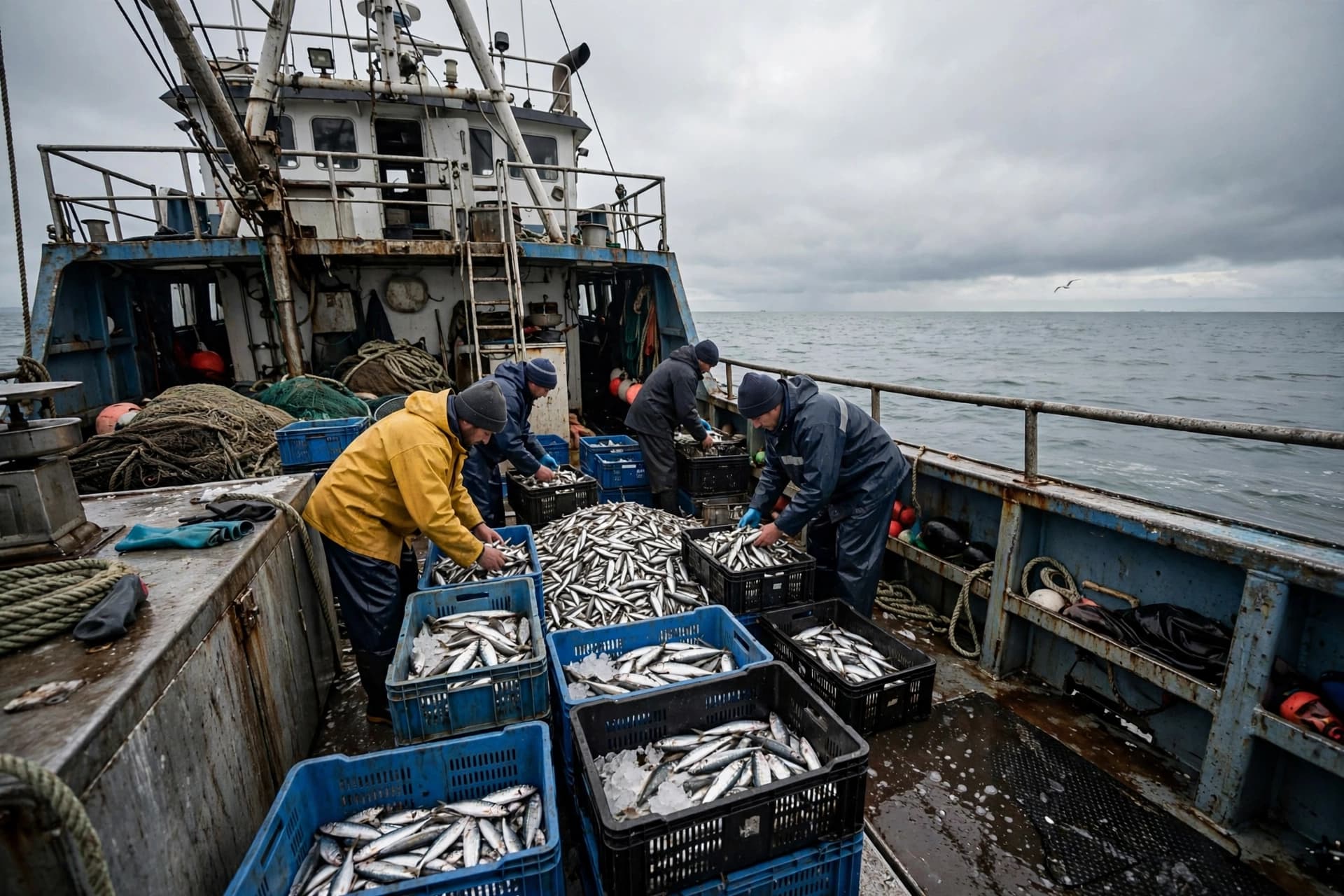
The central revelation is one of circularity. As global demand for fish has doubled over the past 60 years, aquaculture—fish farming—has expanded to meet it. More than half the seafood we eat now comes from farms rather than the ocean, which might seem like a conservation success story . But those farmed fish must eat. And what they eat, predominantly, are smaller fish taken from the ocean—ground into fishmeal and fish oil that sustain salmon, shrimp, and other popular species .
The scale of this extraction is significant. According to Urbina's investigation, a fifth of all fish pulled from the world's oceans is now put to uses other than direct human consumption, mostly to make fishmeal and fish oil . This means that the seafood we eat as a "lighter" choice is often sustained by an industry that depletes the very oceans it was meant to spare.
Urbina took six voyages at sea to document the conditions behind this supply chain—boarding fishmeal vessels in the South China Sea, the Southern Ocean near Antarctica, and the North Atlantic. His team reviewed logbooks, inspected living conditions, interviewed workers, and documented potentially illegal practices . On land, they visited fishmeal factories and aquaculture sites across Senegal, Thailand, Peru, Gambia, Vietnam, Indonesia, Cambodia, Greece, and India .
The investigation's "Bait to Plate" tool, now publicly available, allows anyone to trace seafood from ships and processing plants to downstream brands and consumers . The project's broader aim, as Urbina told Axios, is to encourage the seafood industry to "begin being more transparent and accountable about their supply chains," and to prompt governments of advanced economies to "reckon with how they are offsetting costs largely onto developing countries" .
The findings do not demand that we turn away from fish entirely. But they invite a closer look at the price we pay—and the price others pay for us—when we choose what to put on our plates. The ocean's abundance is not infinite, and the systems we have built to harvest it carry consequences that ripple far beyond the supermarket counter.
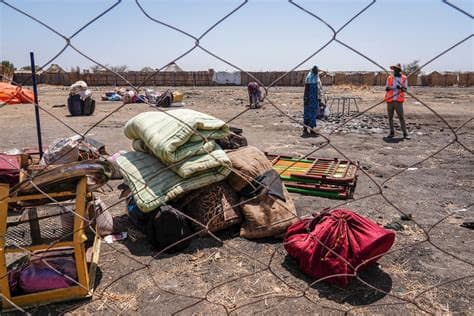
AI Image Disclaimer: All images in this article were created using artificial intelligence for contextual purposes only and do not represent actual photographs of the locations or activities described.
Sources: Axios, NewsBreak
Published by Banx Network. This article is part of the Banx decentralized media programme, powered by the BXE token on the XRP Ledger.