
Key Highlights
- Amsterdam has banned advertisements for fossil fuels and high-emission products in public spaces.
- The policy aims to reshape public messaging and promote environmental sustainability.
- Similar initiatives are emerging in other European cities, reflecting a broader shift in urban advertising practices.
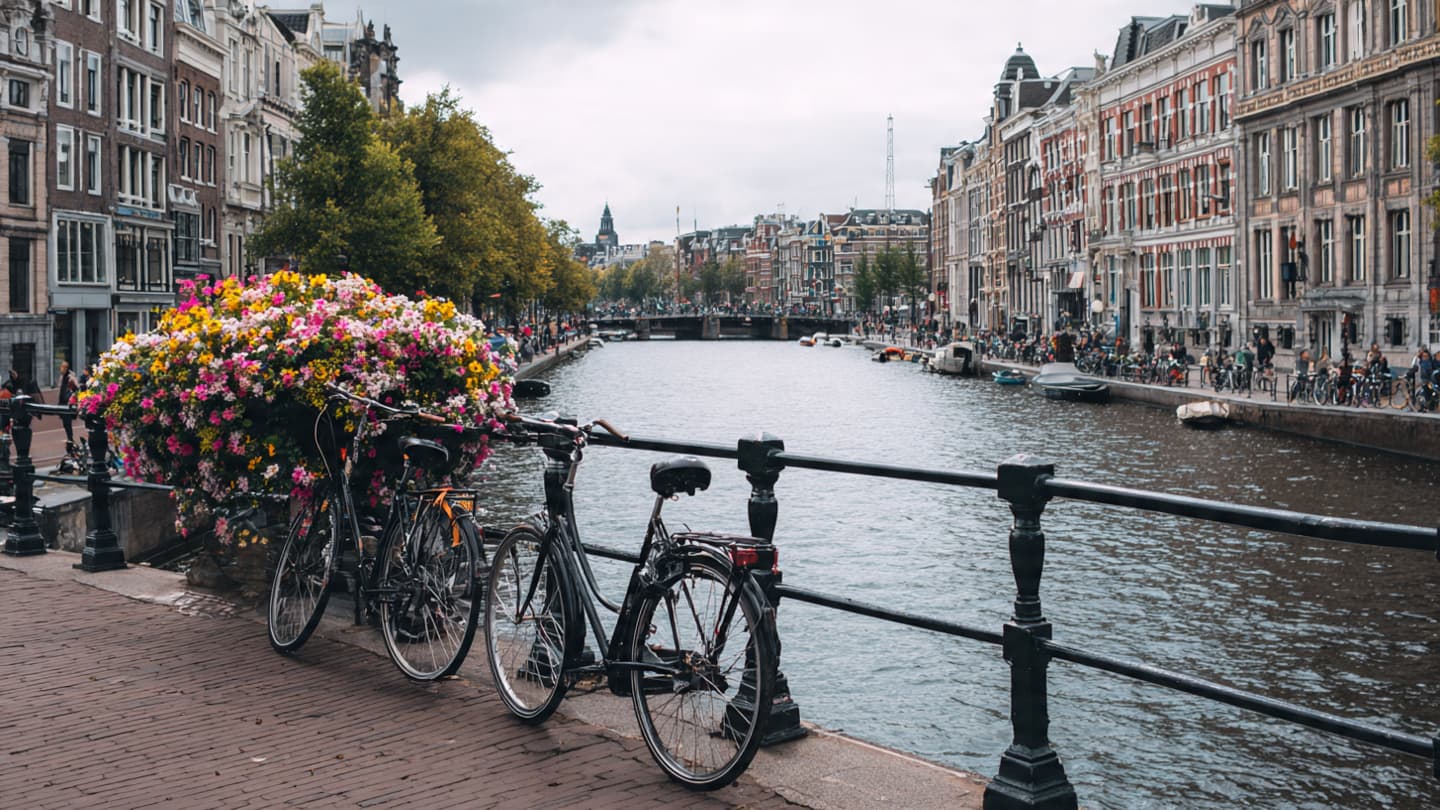
Amsterdam, a city known for its picturesque canals and vibrant culture, is undergoing a significant transformation in its public spaces. In a recent policy shift, the city has prohibited certain forms of advertising related to fossil fuels and high-emission products, including promotions for meat. This decision, approved by city authorities, applies to public advertising spaces under municipal control, such as billboards and transit shelters.
This change is not an isolated incident but part of a larger conversation about climate action taking place across the Netherlands and beyond. Cities are increasingly becoming the frontline for addressing global environmental concerns, translating them into local policies and practices. By regulating what can be advertised in public spaces, Amsterdam is not only influencing commerce but also altering the visual landscape of the city itself.
The implications of this policy extend beyond mere aesthetics. Advertising plays a crucial role in shaping public perception and societal norms. By removing certain messages, Amsterdam is making a statement about its values and priorities. The absence of fossil fuel advertisements can create a new narrative, one that emphasizes sustainability and environmental responsibility.
This initiative reflects a growing awareness of the connection between consumption and environmental impact. Fossil fuel companies and industries associated with high emissions have historically utilized urban advertising to promote their narratives. However, as discussions around sustainability and food systems evolve, the environmental footprint of meat production has also come under scrutiny. This policy aligns with broader debates about how cities can foster a more sustainable future.
Yet, the policy raises important questions about the balance between guidance and restriction in public messaging. How do cities navigate the fine line between promoting environmental priorities and allowing commercial freedoms? These questions are complex and do not have straightforward answers. In Amsterdam, they contribute to an ongoing dialogue about the role of public spaces in shaping societal values.
Across Europe, similar initiatives are gaining traction, indicating a collective shift in how urban environments engage with climate issues. Some cities are exploring limits on fossil fuel advertising, while others are rethinking how public spaces can reflect changing societal values. Although each approach varies, they collectively signal a reconsideration of visibility and influence in urban settings.
For residents and visitors, the impact of this policy may initially manifest as a quiet absence. A billboard that once advertised flights may now display a different message or remain blank. Over time, these subtle changes can accumulate, reshaping the fabric of public life in Amsterdam. The transformation is not abrupt; rather, it unfolds gradually, woven into the daily experiences of those who navigate the city.
Ultimately, the essential fact remains: Amsterdam has taken a decisive step by banning certain advertisements for fossil fuels and high-emission products in its public spaces. This decision is rooted in environmental considerations and reflects a commitment to managing visibility in a way that aligns with the city's sustainability goals. As Amsterdam continues to evolve, its canals may still reflect the same sky, but the messages carried by its public spaces are changing, signaling a new chapter in the city's ongoing narrative of environmental responsibility.
Published by Banx Network. This article is part of the Banx decentralized media programme, powered by the BXE token on the XRP Ledger.



