There is a particular stillness that settles over civic life when something shifts—not loudly, not all at once, but enough to be felt in the spaces where trust usually rests without question. In neighborhoods shaped by routine representation, where a name becomes familiar through years of meetings and motions, change often arrives quietly at first.
In Transcona, that quiet has taken on a different tone.
The name at its center is one long associated with the rhythms of municipal governance, a figure who has moved through council chambers and community concerns over time. But now, that presence exists alongside something else—an allegation that has altered how the role is seen, even before any conclusion is reached.
Winnipeg city councillor Russ Wyatt has been charged with sexual assault and administering a noxious substance, following a police investigation that began earlier this year. Authorities say the complaint relates to an incident reported in February, with allegations that the complainant was drugged and assaulted during a meeting at a residence.
The charge, as it entered public record, did not remain contained within legal language alone. It moved outward, into council chambers, into public conversation, into the quieter spaces where residents begin to consider what such a development means for representation.
In the days that followed, Wyatt continued to attend city hall, taking his place among colleagues as proceedings moved forward. The structure of governance, bound by rules that allow elected officials to remain in office while charges are before the court, continued without interruption.
And yet, within that continuity, there were visible signs of strain.
Some fellow councillors turned away, both literally and symbolically, signaling discomfort in ways that did not require extended explanation. Others spoke more directly, suggesting that stepping aside—even temporarily—might allow the matter to be addressed without overlapping with the responsibilities of office. The mayor himself recommended that Wyatt take time away, framing the situation as a distraction from the work of council.
In Transcona, the response has been quieter, but no less present. Residents, when approached, have not spoken with one voice. Some hesitate, uncertain of what to say while the case remains unresolved. Others express concern, pointing to the weight of the role and the expectations that come with it. A smaller number have called more directly for Wyatt to step aside, reflecting a belief that representation carries obligations that extend beyond legal thresholds.
There is no single rhythm to such moments. Public trust does not move in straight lines; it shifts gradually, shaped by perception as much as by fact. The legal process, meanwhile, follows its own pace—deliberate, structured, and often distant from the immediacy of public reaction.
Between these two movements—one public, one procedural—there is a space where uncertainty settles. It is here that communities pause, not always to decide, but to reflect.
The case itself remains before the court. Wyatt has been released on an undertaking, and his lawyer has stated that he intends to contest the allegations. Under Winnipeg’s rules, he is permitted to continue serving as councillor unless convicted of an offence that would disqualify him from office.
AI Image Disclaimer
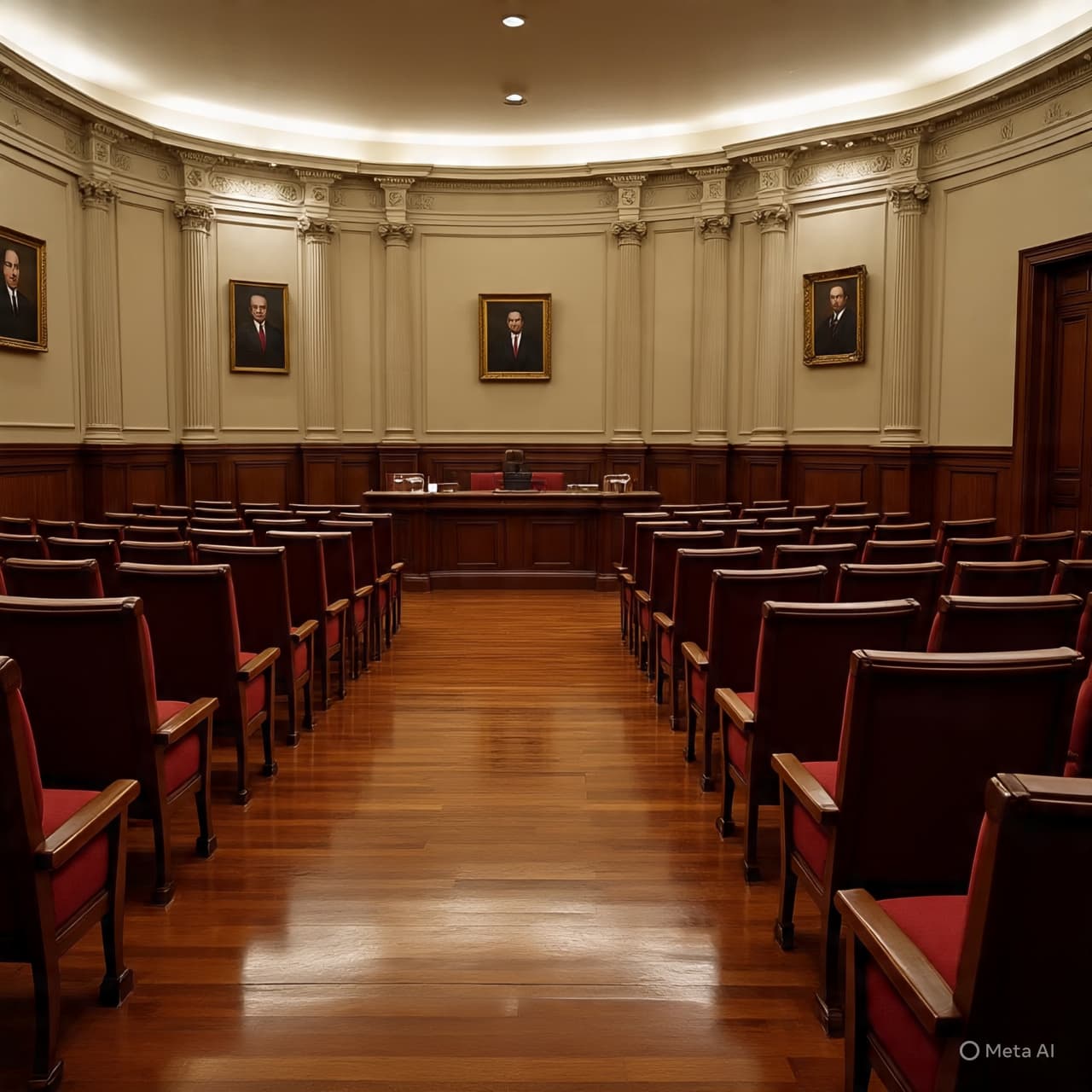
Visuals in this article are AI-generated and intended as illustrative concepts, not real images.
Sources
Global News CBC News CTV News Winnipeg Police Service The Canadian Press
Published by Banx Network. This article is part of the Banx decentralized media programme, powered by the BXE token on the XRP Ledger.
.jpg&w=3840&q=75 "US Declares Drought Disaster for Parts of Puerto Rico as Dry Conditions Persist")