
Key Highlights
- Israel's combat engineers are actively dismantling Hezbollah's underground infrastructure in southern Lebanon.
- The scale of operations is described as extensive and ongoing, with significant implications for regional security.
- The conflict's impact extends beyond military objectives, affecting local communities and landscapes.
[Understanding the Terrain]
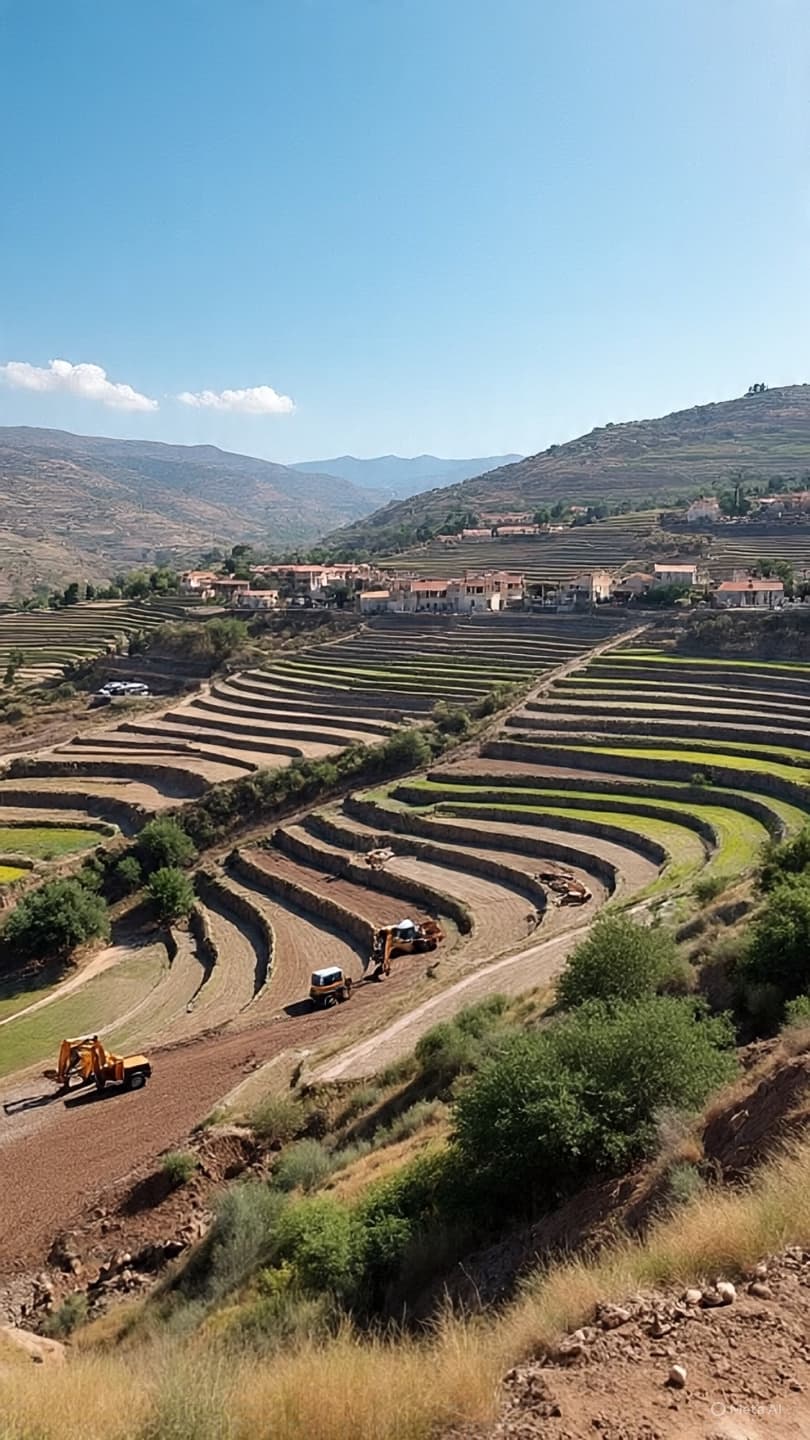
In the hills and valleys of southern Lebanon, a complex landscape exists, marked by olive trees and stone paths. However, beneath this serene surface lies a network of tunnels and fortified positions, strategically significant in the ongoing conflict between Israel and Hezbollah. Recent reports from the Israel Defense Forces (IDF) indicate that combat engineering units are engaged in a systematic campaign to destroy this infrastructure, which they describe as extensive and deeply embedded within the terrain.
Military personnel have characterized the scale of these operations as “endless,” suggesting that the network of tunnels and facilities extends far beyond isolated sites. This extensive underground infrastructure has long been a tactical advantage for Hezbollah, complicating Israel's ability to monitor and respond to threats from its northern border. By dismantling these structures, Israeli officials aim to reduce Hezbollah's operational capacity and alter the conditions that allow such networks to thrive.
[The Methodical Approach]
The process undertaken by the IDF is methodical and deliberate. Engineers navigate through contested areas, identifying and assessing tunnels, storage facilities, and fortified positions. Each site requires careful evaluation and clearance before demolition can occur. The pace of operations is influenced by the complexity of the structures and the necessity to minimize risks during these high-stakes missions. This careful approach reflects the broader strategic objectives of Israel, which seeks to ensure security along its northern frontier while managing the inherent risks of military engagement in populated areas.
[The Broader Context]
The operations in southern Lebanon are not occurring in a vacuum. Tensions between Israel and Hezbollah have remained high, influenced by regional dynamics involving Iran and other actors. The actions taken by the IDF are often seen as part of a larger narrative of deterrence and security, reflecting both immediate military objectives and long-term strategic considerations. As these operations unfold, they serve not only to address current threats but also to signal Israel's commitment to maintaining its security posture in a volatile region.
[Impact on Local Communities]
For the residents of southern Lebanon, the implications of these military operations are immediate and profound. The sound of controlled detonations reverberates through villages, altering familiar landscapes and reshaping the patterns of daily life. The coexistence of military objectives and civilian existence creates a complex dynamic, where the visible and the hidden intertwine. As the IDF continues its work, the land itself becomes a record of change, marked by both destruction and resilience.
[Conclusion]
As operations continue, the facts presented by Israeli officials remain clear: combat engineers are actively dismantling Hezbollah's infrastructure in southern Lebanon. This effort is part of a broader campaign to address security concerns along the border, with significant implications for both military strategy and local communities. In the quiet moments between activity, the landscape holds both what has been revealed and what remains hidden, shaped by a conflict that unfolds both above and below the surface.
Published by Banx Network. This article is part of the Banx decentralized media programme, powered by the BXE token on the XRP Ledger.



