
Key Highlights
- Recent military claims by Russia suggest renewed control in eastern Ukraine.
- Analysts describe the situation as fluid, with control shifting frequently.
- The conflict highlights the gap between narrative and reality on the ground.
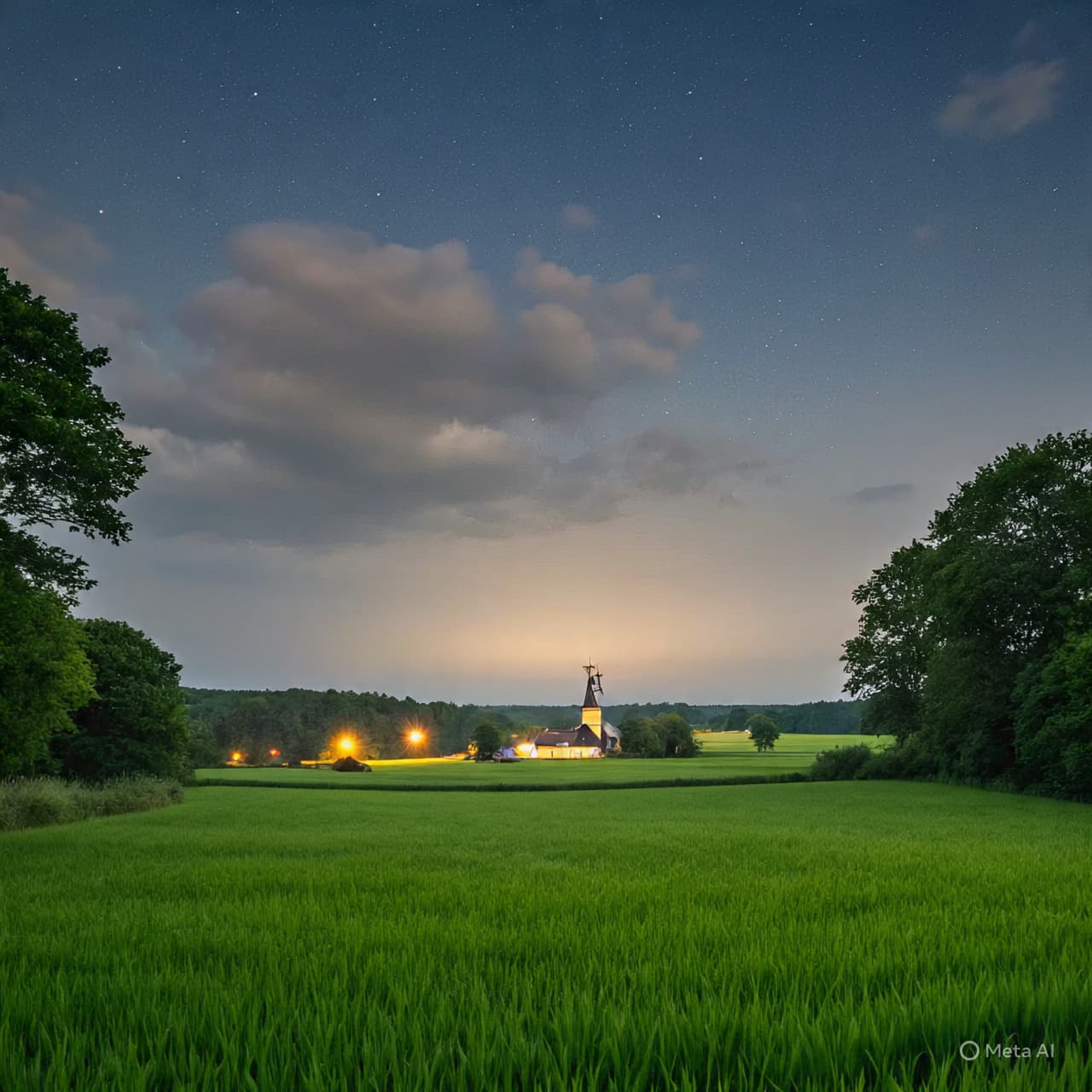
The landscapes of eastern Ukraine are marked by a unique blend of natural beauty and the scars of conflict. Fields stretch endlessly, villages nestle between roads, and horizons merge with the sky. Yet, beneath this serene exterior lies a complex and contested reality shaped by ongoing military actions and political narratives. Recent statements from Russian officials indicate that their forces have reasserted control over certain regions in eastern Ukraine, framing these developments as a consolidation of previously contested territory. This narrative, however, is complicated by the realities faced by those on the ground.
Military analysts and Ukrainian officials have pointed out that the situation is far from straightforward. Control over territory is not static; it can shift rapidly, sometimes within hours. What is reported as 'taken' may still be hotly contested, with the actual situation on the ground reflecting a more nuanced and fluid reality. The conflict in eastern Ukraine has been characterized by sustained fighting, where advances are measured in meters rather than miles, and each small gain comes at a significant cost.
For residents living in these contested areas, the language of control often feels disconnected from their daily lives. The immediate concerns revolve around safety, access to supplies, and the ability to maintain a semblance of normalcy amidst the chaos. The question of who holds a region can change quickly, and the lived experience of those in these zones is shaped more by the rhythms of life than by the shifting lines on a map.
Information plays a crucial role in this conflict, becoming part of the battleground itself. Competing narratives emerge, each vying to define the situation in ways that resonate with different audiences. This dynamic underscores the challenge of capturing a rapidly evolving situation in static terms. While maps may delineate boundaries, the reality on the ground often defies such neat classifications.
As the conflict continues, the region remains embroiled in an ongoing contest, one that cannot be resolved by a single announcement or military advance. The interplay of military movements, defensive strategies, and the broader context of the war will continue to shape the meaning of control in this area. The story of territorial claims in eastern Ukraine transcends mere geography; it speaks to the complexities of understanding and interpreting conflict in real-time.
Ultimately, the narrative surrounding these claims reveals much about the nature of perception in times of war. Between the statements made by military leaders and the lived experiences of those affected, there exists a space filled with uncertainty and shifting interpretations. It is within this space that the true nature of the conflict continues to unfold, marked by both quiet resilience and ongoing strife.
Published by Banx Network. This article is part of the Banx decentralized media programme, powered by the BXE token on the XRP Ledger.



