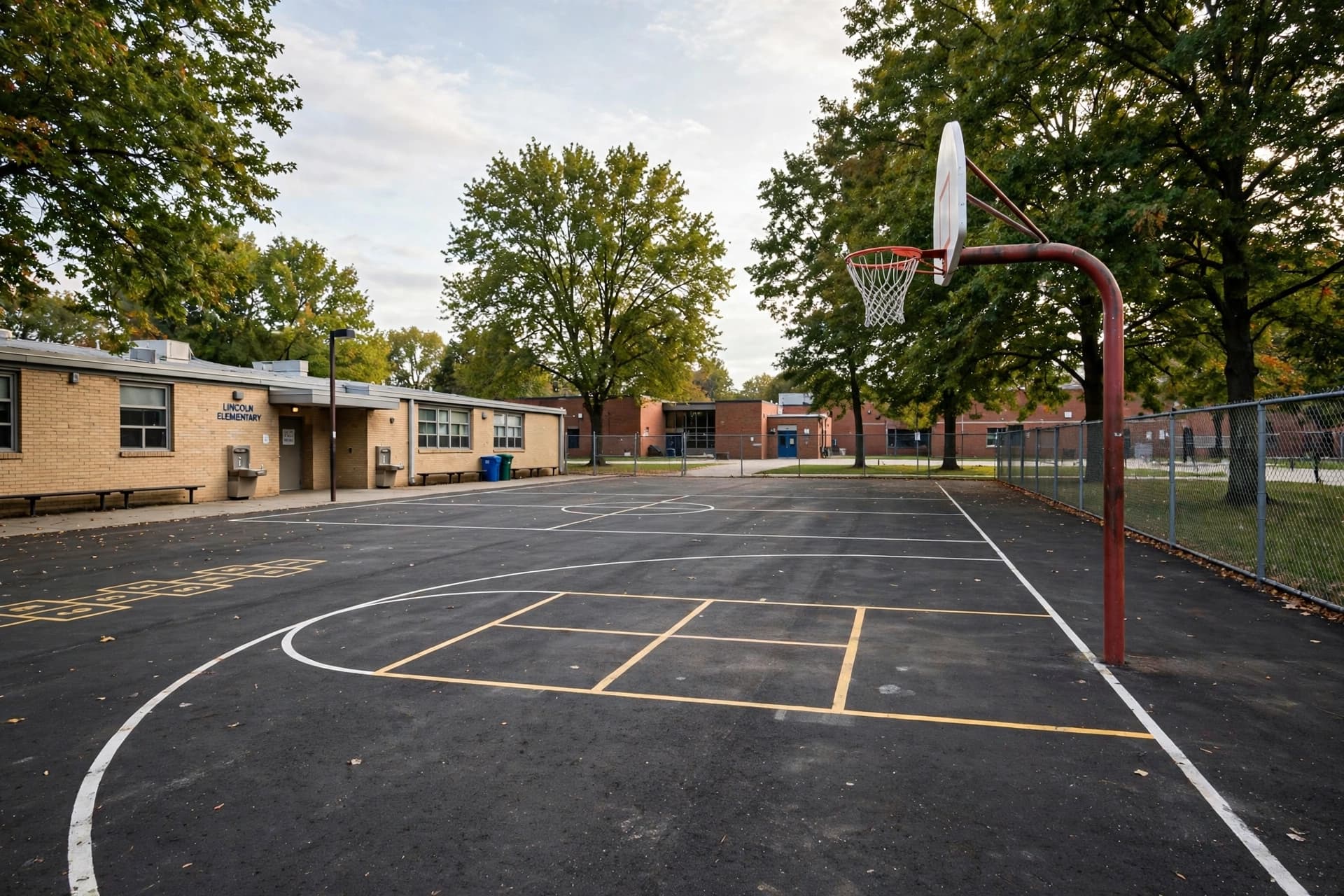
There is a particular kind of quiet power that resides in a single parental complaint, a power that can ripple outward through a school's hallways and into the lives of children who never met the mother who set it in motion. Somewhere in a school district not named in the reports available, a game that children loved has been removed from the playground, and the question of whether that removal was wisdom or overreach lingers like the echo of a recess bell.
The details of the case remain sparse in the public record. What is known is that a mother raised concerns about a game her children were playing at school, and the school responded by banning it. The specific game, the nature of the concerns, and the identity of the school have not been widely reported by major news outlets. This absence of detail is itself a kind of story—a reminder that many of the small dramas that shape childhood unfold far from the reach of national headlines.
What can be said with confidence is that playground games have always occupied a contested space in the adult imagination. They are, simultaneously, the purest expression of childhood autonomy and a source of adult anxiety. Tag is too rough. Dodgeball is too aggressive. Red Rover invites injury. The games children invent for themselves, without adult supervision, tend to be the ones that adults find most troubling, because they are the games adults cannot control.
The mother in this case presumably acted from a place of care. Parents who complain about games rarely do so out of malice. They do so because they fear for their children, or because their children came home upset, or because they believe the school should be a place where a certain kind of innocence is preserved. These are not unreasonable instincts. They are the instincts that have driven generations of parents to intervene in the ordinary roughness of childhood.
But there is a cost to such interventions, and the cost is not always visible. When a game is banned, the children who loved it do not simply stop playing. They find other games, sometimes rougher ones, sometimes ones that are played further from the watchful eyes of teachers. The banned game becomes forbidden fruit, invested with a glamour it never possessed when it was merely permitted. And the children who did not complain, who were happy with the game as it was, learn a quiet lesson about how the preferences of the few can shape the world of the many.
Schools, for their part, are caught in an impossible position. They are responsible for the safety of every child, and they are accountable to every parent. When a parent raises a concern, the path of least resistance is often to remove the thing that caused it. This is not cowardice so much as the logic of institutions, which tend to favor the measurable absence of harm over the immeasurable value of play.
The game is banned now, and the children will adapt, as children always do. They will find new games, new rules, new ways of testing the boundaries of what is allowed. The mother who raised the complaint has done what she believed was right. The school has done what institutions do. And somewhere on a playground, a game that once belonged to no one in particular now belongs to memory.
The images in this article were generated by AI.
Published by Banx Network. This article is part of the Banx decentralized media programme, powered by the BXE token on the XRP Ledger.