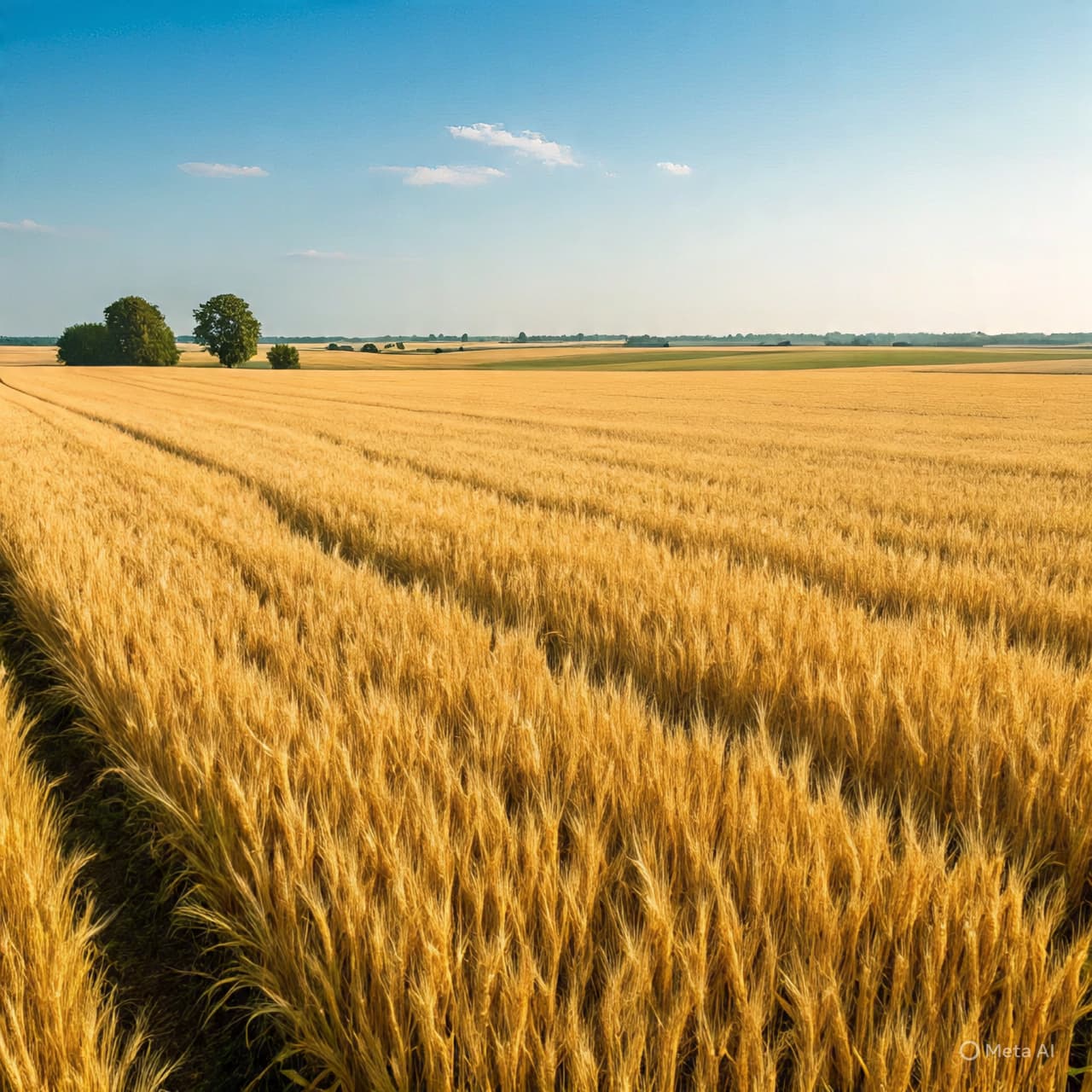
In the wide sweep of the Western Australian landscape, fields lie like pages of a weathered book, each season writing its own chapter in dust and green. For growers who till this soil year after year, the rhythm of sowing and reaping is familiar, yet never predictable. This season, however, the narrative seems to have taken an unexpectedly generous turn, as grain swells in sheds and silos, hinting at a story that those who watch the seasons closely will long recall.
Across the state, the 2025–26 grain harvest now nearing completion has been marked by favorable conditions that defied early uncertainty. What began with cautious forecasts has blossomed into a crop expected to exceed 27 million tonnes, a figure that surpasses the previous record set in 2022. Seasonal reports suggest that the final tally could reach around 27.2 million tonnes, a testament to both the expanded area of grain sown and the timely arrival of rainfall in key growing regions.
For many farmers, the sight of tractors winding across amber fields at dawn this summer feels like a long-awaited reward. In areas such as the Great Southern, barley yields have been especially strong, with seasoned hands describing this season as one of the most memorable in their decades of working the land. Yet even as pockets of the wheatbelt experienced varying outcomes some fields less abundant than others the collective result remains extraordinary in scale and significance.
This record haul carries with it both celebration and contemplation. On one hand, the expanded harvest reflects careful planning, improved crop varieties, and weather that aligned favorably through critical stages of growth. From the Esperance zone’s more than 4 million tonnes received to out-loading efforts in other port zones, the sheer volume of grain moving through Western Australia’s supply chain paints a picture of agricultural strength.
On the other hand, this abundance sits against the broader backdrop of global markets awash with supply, tempering some of the financial promise such a bumper crop might bring. Prices for wheat and other cereals have softened worldwide, reminding farmers and observers alike that production success does not necessarily translate directly into stronger returns. It is a delicate balance between abundance and the rhythms of global demand, where a record harvest is as much an achievement as it is a challenge to be navigated thoughtfully.
Through it all, the growers of Western Australia remain rooted in the land’s enduring cycles, their experience woven into each grain delivered and each field harvested. Conversations between neighbors in rural towns often drift to the future as well what the harvest will mean for community investment, for next season’s decisions, for sustaining a way of life shaped by the earth and sky.
As the last trucks move toward storage and shipping corridors prepare for continued export flows, the state stands on the verge of confirming a harvest larger than any in its recent memory. Final figures from the Grain Industry Association of Western Australia and crop reports due in February will formalize what has already been widely anticipated: a record-breaking season that epitomizes both the promise and uncertainty of agricultural life.
In this, the grains of WA carry more than yield and tonnage they hold a shared story of resilience, possibility, and the quiet satisfaction of an industry that, year after year, asks the land for its best and listens closely to what it gives.
AI Image Disclaimer
Visuals are created with AI tools and are not real photographs.
---
Sources
ABC News – Rural Farm Weekly The Weekly Times Countryman / The West Australian CBH Group harvest reports
Published by Banx Network. This article is part of the Banx decentralized media programme, powered by the BXE token on the XRP Ledger.